
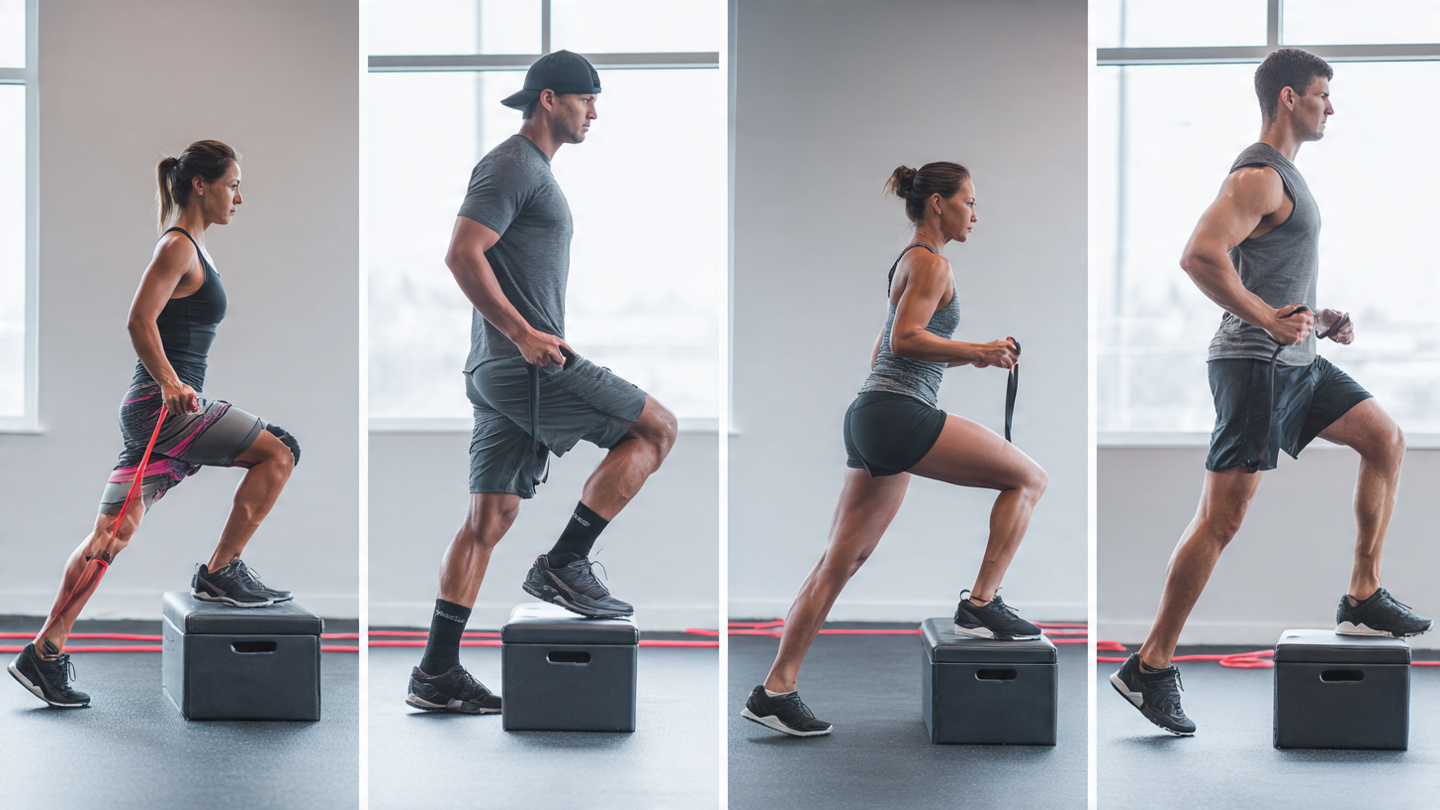
Building strong glutes and improving balance does not always require complicated gym machines. Sometimes the most effective exercises are also the simplest. Step ups exercises for glutes and balance are a perfect example. This functional movement mimics everyday actions like climbing stairs, helping strengthen the lower body while improving stability and coordination.
To stay consistent with fitness, explore our complete Fitness & Exercise guide for more workout ideas.
Fitness trainers often recommend step ups because they target multiple muscle groups at once, including the glutes, hamstrings, quadriceps, and core. They also help correct muscle imbalances since each leg works independently. The following guide explores 11 step ups exercises for glutes and balance, with simple variations that add variety to workouts while keeping the movement safe, effective, and beginner friendly.
1. Classic Step Ups
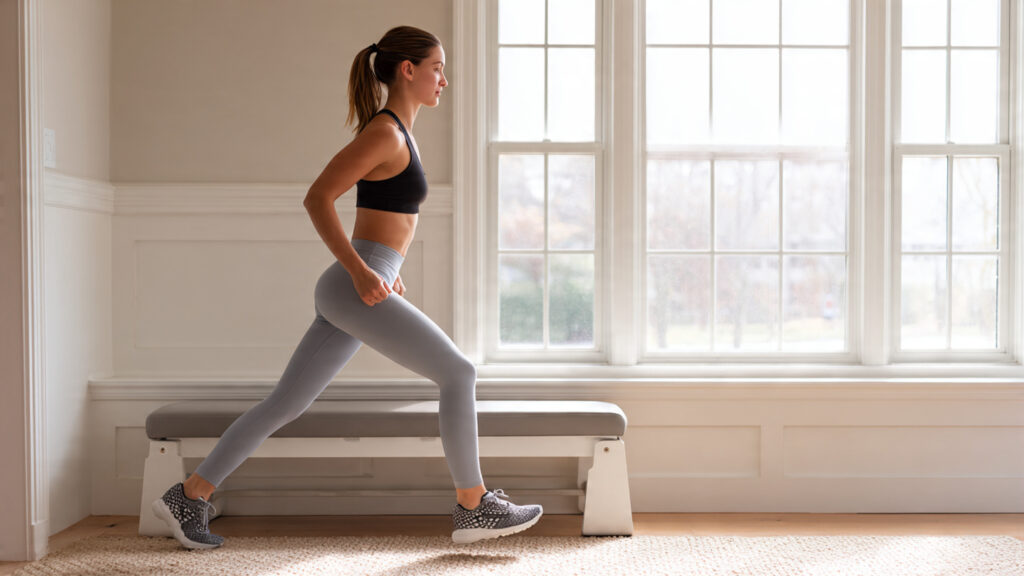
Classic step ups are the foundation of most step ups exercises for glutes and balance. The movement is simple but highly effective because it engages the glutes, thighs, and core while improving coordination. To perform the exercise, place one foot on a sturdy bench or step and press through the heel to lift your body upward. The opposite leg follows until both feet are on the platform before stepping back down.
Maintaining proper posture during the movement is essential for safety and effectiveness. Keep the chest lifted, core engaged, and knees aligned with the toes. Performing slow, controlled repetitions helps activate the glute muscles while also improving balance. This variation works well as a warm-up exercise or as part of a lower body strength routine.
2. Weighted Step Ups
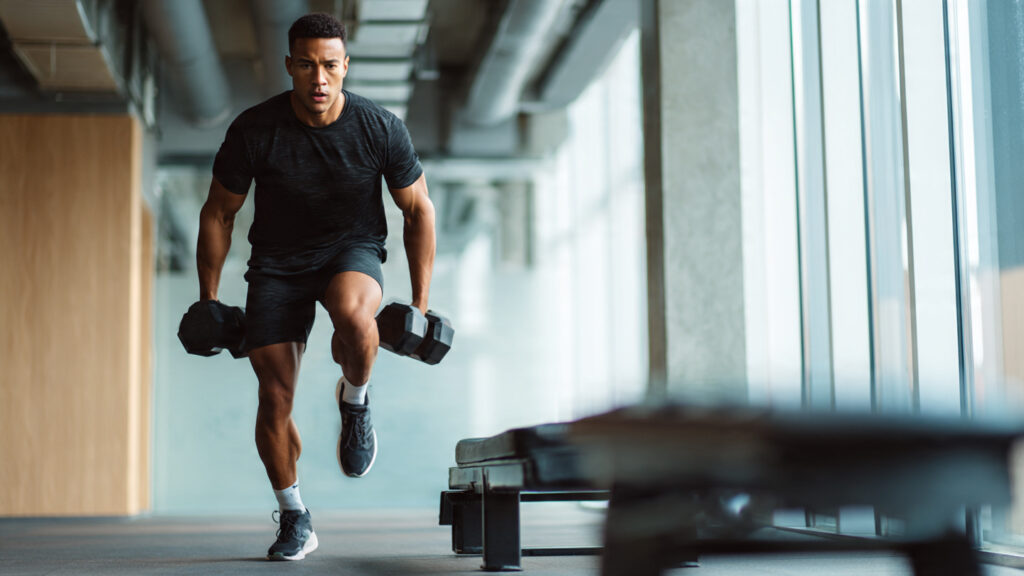
Weighted step ups increase resistance and make the exercise more challenging. Adding dumbbells or kettlebells encourages the glutes and legs to work harder, which helps build strength and muscle endurance. This variation is often included in step ups exercises for glutes and balance because it strengthens the lower body while also improving coordination.
When performing weighted step ups, start with lighter weights and focus on maintaining proper technique. Step onto the platform using controlled movements and avoid pushing off the back leg too much. Gradually increasing the weight over time helps improve muscle strength while keeping the exercise safe and effective.
3. Lateral Step Ups
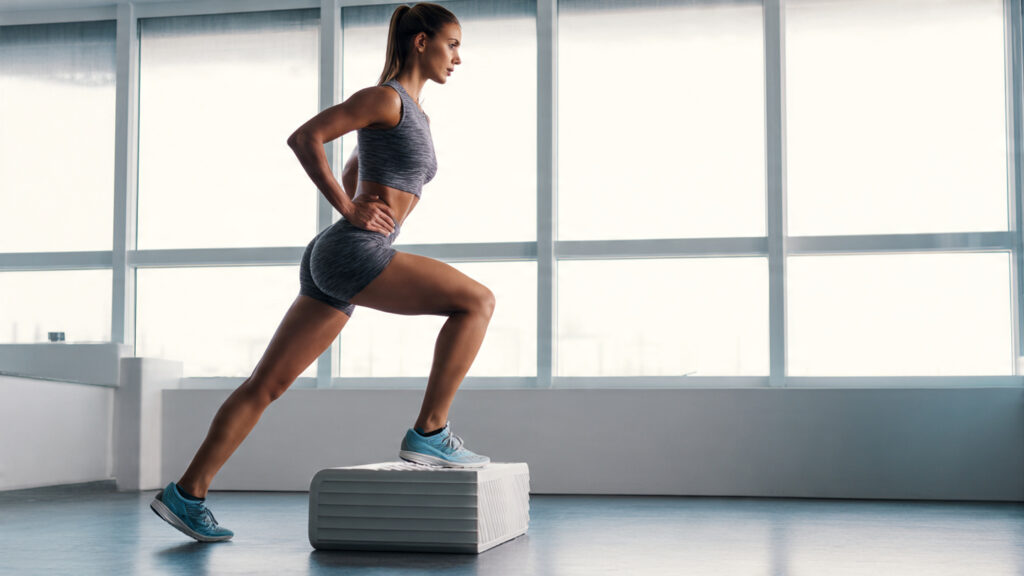
Lateral step ups introduce side-to-side movement that targets additional muscle groups. Unlike traditional step ups, this variation requires stepping onto the platform from the side. The movement activates the outer glutes and hip muscles while strengthening stabilizers that support balance.
Adding lateral step ups to a workout routine helps create well-rounded lower body strength. The sideways motion also challenges coordination because the body must maintain alignment throughout the exercise. Practicing this variation regularly can improve stability and support better movement during daily activities.
4. High Knee Step Ups
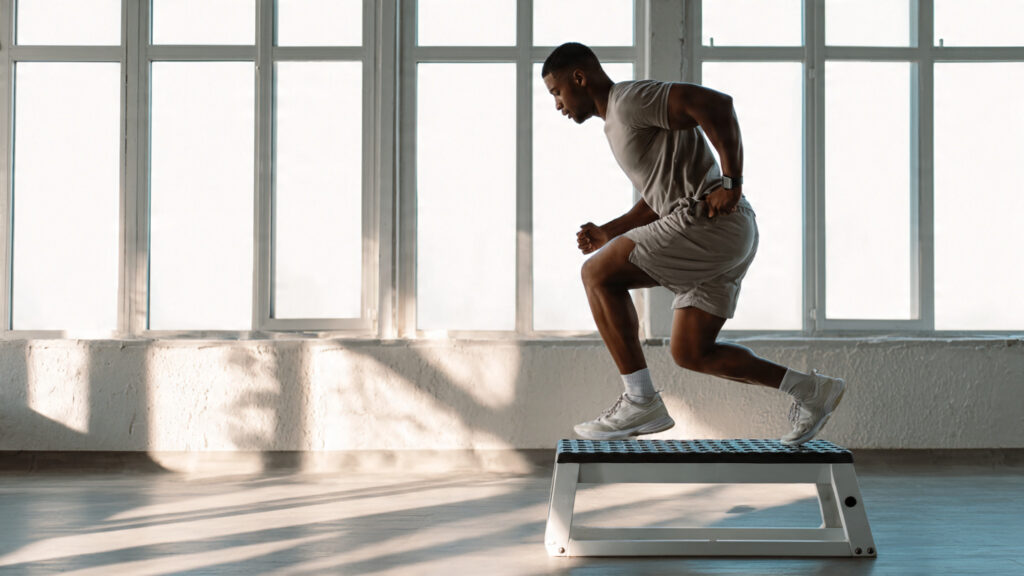
High knee step ups add a dynamic element to the exercise. After stepping onto the platform, the opposite knee lifts toward the chest before stepping back down. This motion increases core engagement and improves balance while maintaining focus on the glutes.
This variation works well for building coordination and stability. The knee lift requires the body to balance on one leg momentarily, which activates the core and hip muscles. Including high knee step ups in a routine can help enhance functional strength and athletic movement.
5. Reverse Step Ups
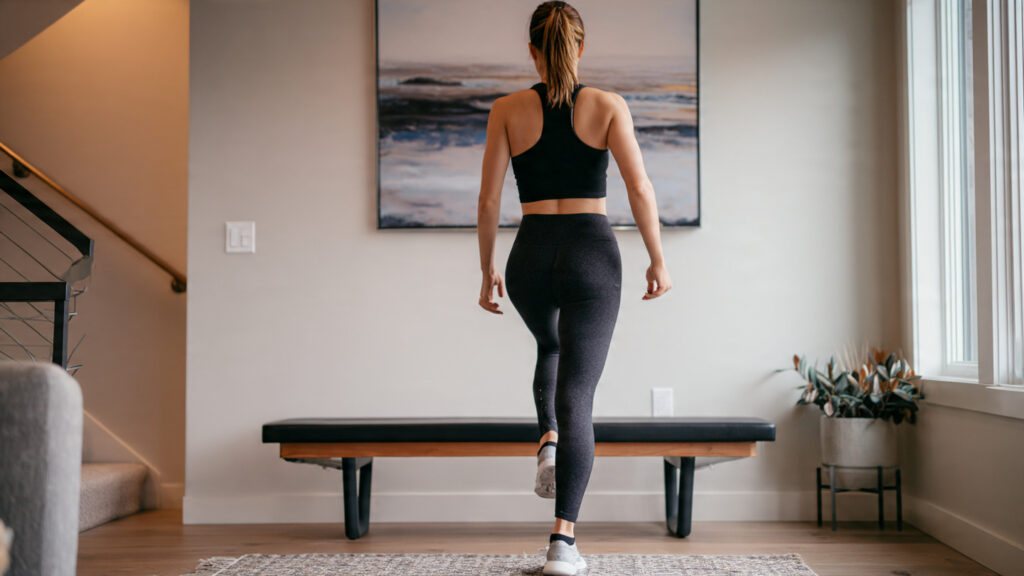
Reverse step ups focus on controlled descent, which strengthens the muscles responsible for stability. Instead of stepping forward onto the platform, this variation involves stepping backward down from it. This motion challenges balance and improves muscle control.
Practicing reverse step ups regularly can help develop better joint stability and coordination. Moving slowly during the downward phase allows the glutes and thighs to remain engaged. This controlled movement makes the exercise effective for improving both strength and balance.
You can also follow daily workout routines for a healthier lifestyle.
6. Step Ups with Knee Drive
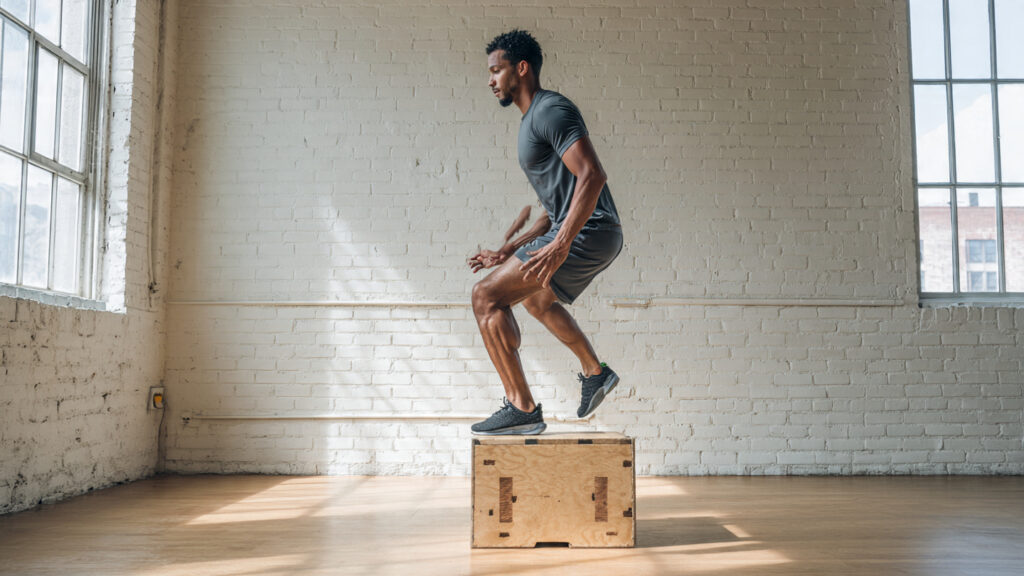
Step ups with knee drive add a powerful upward motion to the exercise. After stepping onto the platform, the opposite knee drives upward with energy. This movement activates the glutes and core while improving balance and coordination.
This variation is commonly used in athletic training because it mimics natural movements like climbing or running. Performing the exercise slowly at first helps build balance, while increasing speed later adds a cardio element to the workout.
7. Curtsy Step Ups
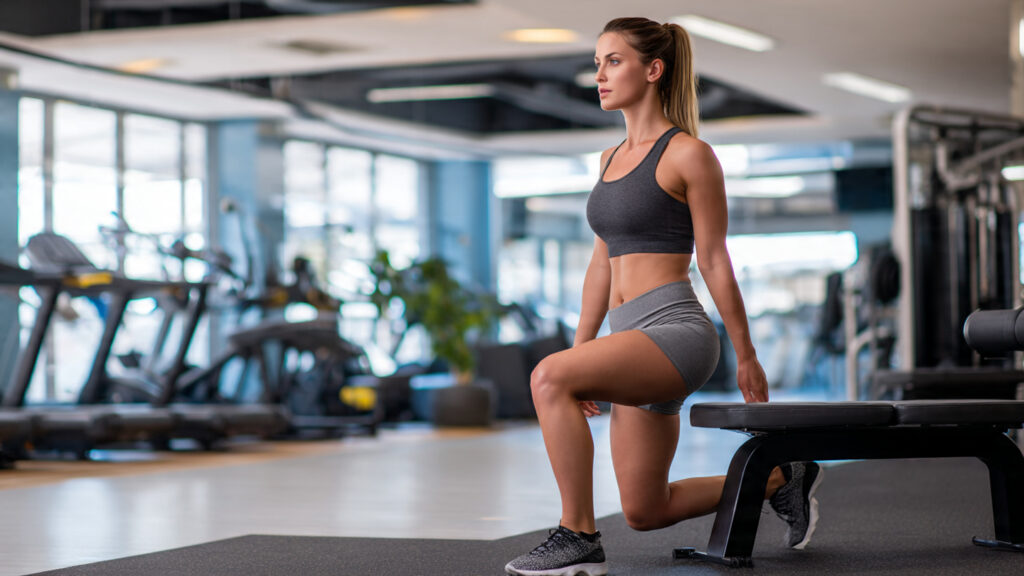
Curtsy step ups combine traditional step ups with a curtsy lunge motion. This variation targets the glutes from a slightly different angle, helping activate smaller stabilizing muscles around the hips.
Including curtsy step ups in workouts adds variety while strengthening muscles responsible for balance. The crossing movement also improves coordination and encourages better control during each repetition.
8. Box Step Ups
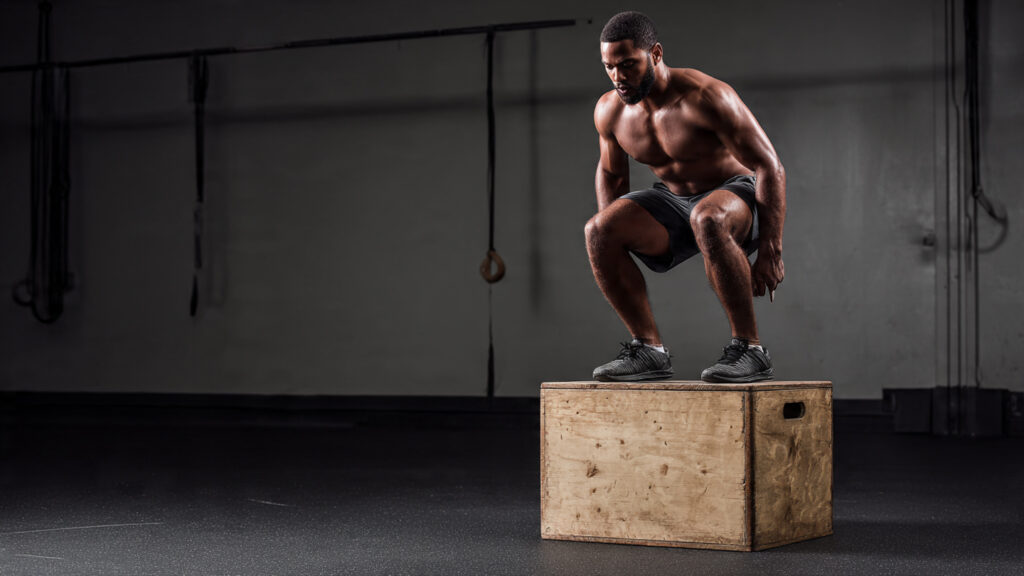
Box step ups involve stepping onto a higher platform such as a plyometric box. The increased height requires greater strength from the glutes and thighs. This variation is often used in strength training routines to build powerful lower body muscles.
Because the platform is higher, maintaining control is essential. Slow and steady movements help activate the muscles effectively while preventing unnecessary strain on the knees or hips.
9. Alternating Step Ups
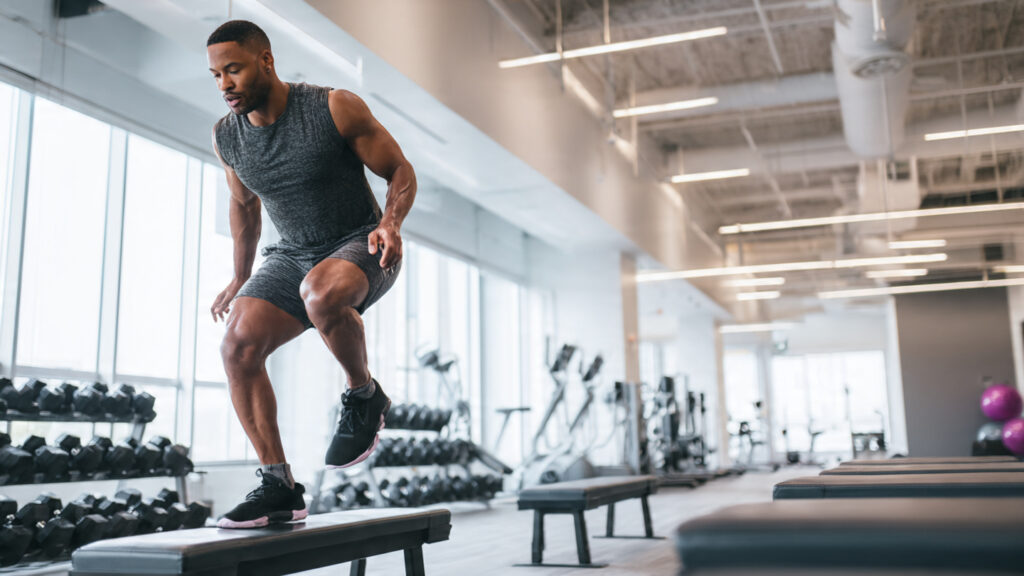
Alternating step ups add rhythm and movement to traditional step ups. Instead of completing multiple repetitions with one leg, the exerciser switches legs with every repetition.
This style keeps the workout dynamic and helps improve coordination. Alternating step ups also encourage equal strength development between both legs, which is important for overall balance and stability.
Creating a stylish home gym setup for workouts improves consistency
10. Resistance Band Step Ups
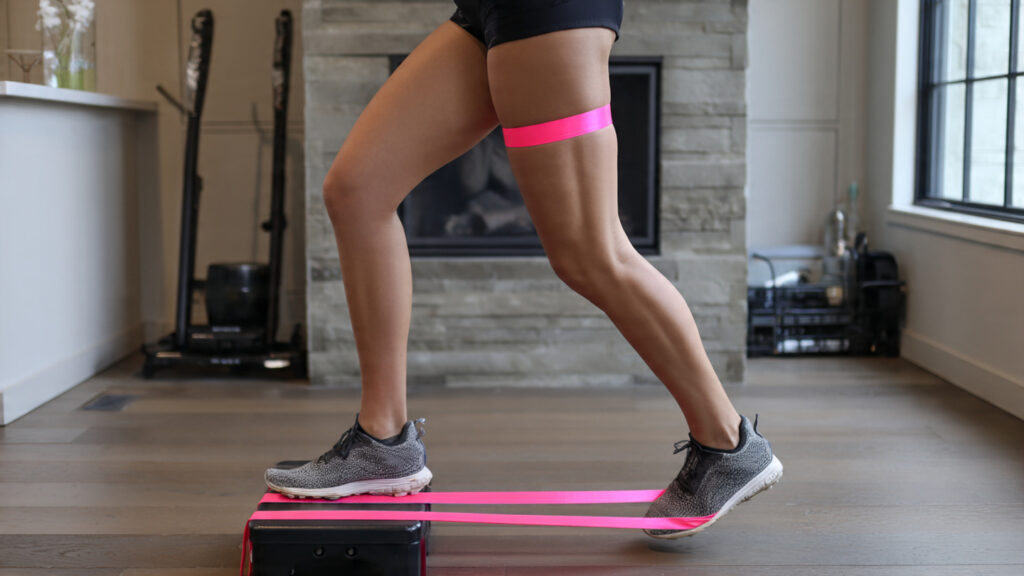
Resistance bands create extra tension that activates the glute muscles more intensely. When placed around the thighs during step ups, the band encourages the hips to stay aligned.
This small adjustment makes the exercise more effective for targeting the glutes. Resistance bands also add variety to workouts while remaining portable and easy to use at home.
11. Slow Tempo Step Ups
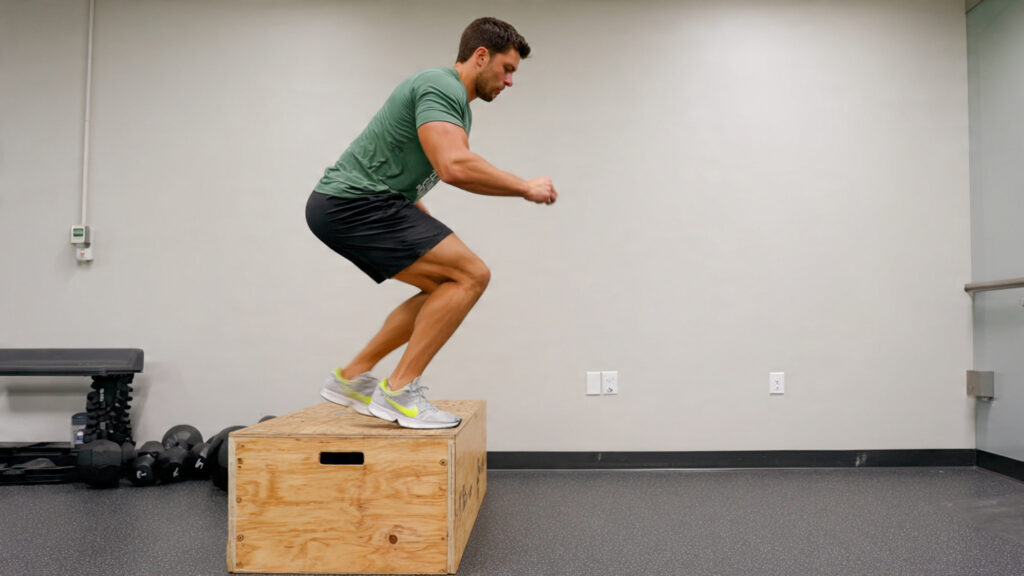
Slow tempo step ups emphasize muscle control and stability. Instead of rushing through repetitions, each step is performed slowly and deliberately.
This approach increases time under tension, allowing the glutes and thighs to work harder. Slow tempo training is particularly helpful for improving balance because the body must maintain control throughout the entire movement.
FAQ
Are step ups good for glutes?
Yes. Step ups activate the glutes, hamstrings, and thighs, making them one of the most effective lower body exercises.
Do step ups improve balance?
Because the exercise involves standing on one leg temporarily, it strengthens stabilizing muscles and improves coordination.
How many step ups should I do?
Most workouts include 10–15 repetitions per leg for two or three sets depending on fitness level.
Can beginners do step ups?
Yes. Beginners can start with a lower step height and focus on slow controlled movements.
Do step ups require equipment?
A sturdy bench, step platform, or box is enough. Dumbbells or resistance bands can add extra challenge.
Conclusion
Step ups are simple yet powerful exercises that strengthen the lower body and improve stability. These 11 step ups exercises for glutes and balance demonstrate how small variations can target muscles in different ways while keeping workouts engaging.
By practicing these movements regularly, it becomes easier to build stronger glutes, better coordination, and improved functional strength. Whether performed at home or in the gym, step ups remain one of the most practical exercises for balanced lower body training.
For more tips like this, visit our Wellness Hub and explore all our wellness guides.
You can also check out our complete Fitness & Exercise guide for more routines.