Floral Bedding Ideas: Transform Your Bedroom with Elegant Botanical Style
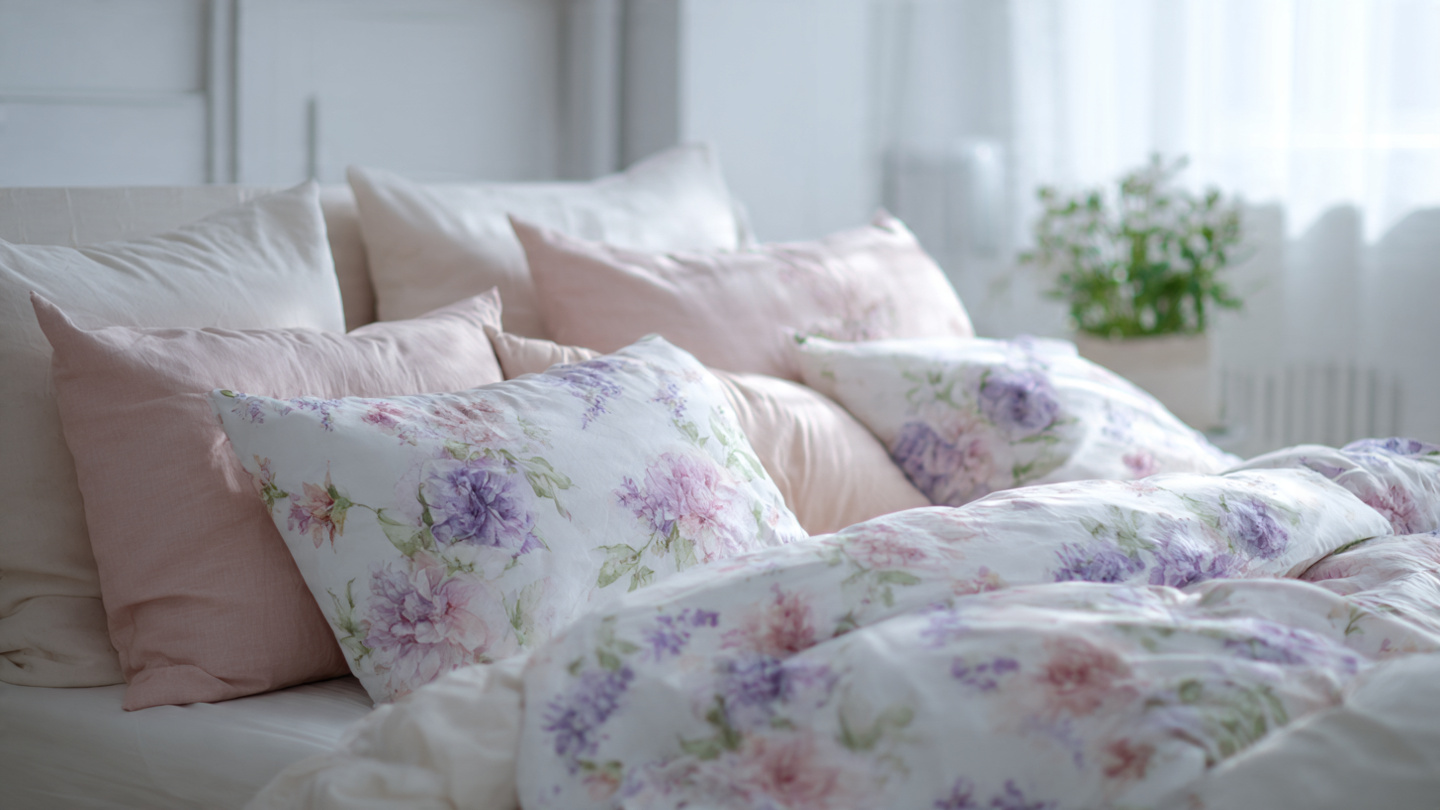
1. Soft Pastel Floral Bedding for a Calm Bedroom Pastel floral bedding is perfect for creating a soothing and relaxing bedroom environment. Shades like blush pink, lavender, soft blue, and mint green combined with delicate floral prints produce a tranquil atmosphere ideal for restful sleep. This style works particularly well in minimalist bedrooms, Scandinavian interiors, and feminine bedroom designs. Pair pastel floral bedding with light wood furniture, neutral curtains, and warm lighting for a balanced look. If you’re looking for more ideas, explore our complete guide on Bedroom & Living Ideas for stylish and cozy inspiration. 2. Vintage Floral Bedding for a Classic Cottage Look Vintage floral bedding never goes out of style. Inspired by traditional English cottage interiors, this bedding often features small floral patterns, faded tones, and classic fabric textures. You can combine vintage floral bedding with: This creates a nostalgic and warm bedroom atmosphere. 3. Bold Botanical Floral Bedding for a Modern Statement If you want your bedroom to stand out, bold botanical floral bedding is an excellent option. Large floral prints, vibrant colors, and dramatic patterns can turn your bed into the focal point of the room. Interior design resources like HGTV often highlight bold floral textiles as a modern trend in bedroom styling. Styling tips: 4. Minimalist Floral Bedding for Modern Homes Minimalist floral bedding combines simple floral elements with neutral backgrounds such as white, beige, or soft grey. This type of bedding fits perfectly in modern apartments and contemporary homes. You can also explore Dreamy Bedrooms: Beautiful Ideas to Create a Soft, Cozy, and Magical Sleeping Space for more inspiration. It’s ideal for people who want subtle design without excessive patterns. Design pairing ideas: 5. Luxury Floral Bedding for Elegant Bedrooms Luxury floral bedding typically includes premium fabrics like cotton sateen, silk blends, or embroidered floral designs. These bedding sets are perfect for master bedrooms and upscale interior designs. You can enhance the luxury feel by adding: This style creates a hotel-like bedroom atmosphere. 6. Small Floral Prints for Cozy Bedrooms Small floral patterns are excellent for compact bedrooms or apartments because they add design without making the room feel crowded. These patterns work beautifully in: Soft lighting and neutral color palettes help highlight small floral bedding. 7. Spring Inspired Floral Bedding Ideas Spring floral bedding often features bright flowers, fresh colors, and lively patterns inspired by nature. This style instantly makes the bedroom feel refreshing and uplifting. Don’t miss our Cozy Bedroom Ideas That Turn Your Space into a Warm and Relaxing Retreat to enhance your space. Color ideas include: These designs are very popular on visual inspiration platforms and trending bedroom décor searches. 8. Boho Floral Bedding Style Boho bedrooms combine floral patterns with artistic textures and earthy tones. This design style is extremely popular for Pinterest bedroom inspiration. To achieve a boho floral bedroom: The result is a warm and stylish bedroom environment. How to Choose the Best Floral Bedding When selecting floral bedding for your bedroom, consider the following factors: 1. Room Color Scheme Choose bedding that complements wall colors and furniture finishes. 2. Fabric Quality Look for breathable fabrics such as: 3. Pattern Size Large florals create bold statements, while small florals provide subtle elegance. 4. Seasonal Style Light florals are perfect for spring and summer, while darker floral tones suit fall and winter interiors. Benefits of Floral Bedding in Bedroom Design Floral bedding offers multiple interior design benefits: Many interior designers recommend floral bedding as an affordable way to upgrade bedroom décor without major renovation. For more home inspiration, visit our homepage and For more tips like this, visit our Home Decor Hub and explore all our home decor guides.
Dreamy Bedrooms: Beautiful Ideas to Create a Soft, Cozy, and Magical Sleeping Space

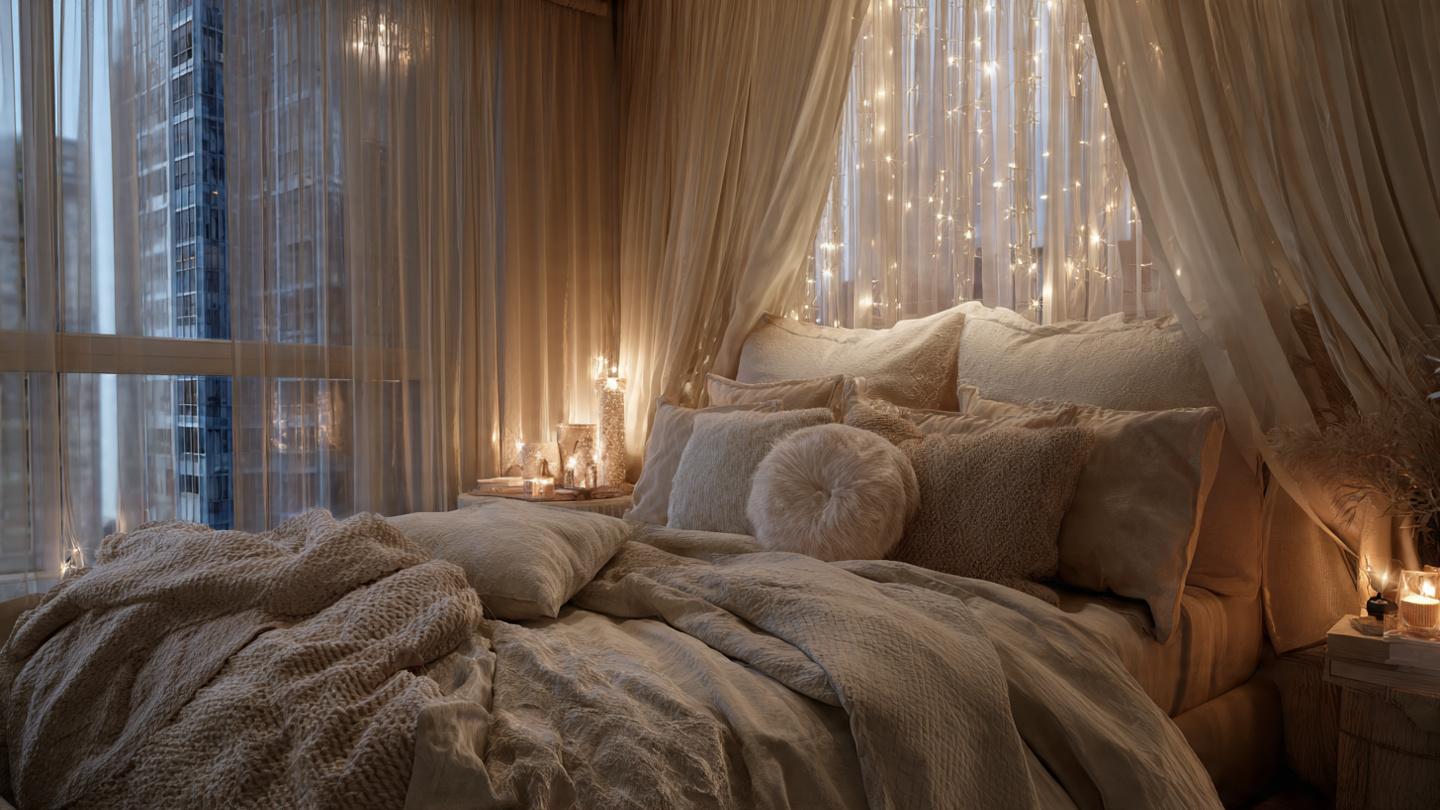
Introduction: What Makes a Bedroom Feel Dreamy A dreamy bedroom feels calm, comforting, and beautifully styled. It’s the kind of space that invites you to unwind at the end of the day and wake up feeling refreshed. Dreamy bedrooms are created through a balance of soft colors, layered textures, gentle lighting, and thoughtful details. Rather than focusing on trends alone, dreamy design emphasizes mood and comfort. With the right approach, any bedroom—large or small—can become a peaceful sanctuary. If you’re looking for more ideas, explore our complete guide on Bedroom & Living Ideas for stylish and cozy inspiration. 1. Soft Color Palettes for a Calming Atmosphere Color plays a powerful role in shaping how a bedroom feels. Dreamy bedrooms often feature gentle shades such as creamy whites, warm beiges, blush pinks, pale blues, or muted greens. These tones reflect light beautifully and create a soothing environment. Keeping walls, bedding, and furniture within a similar palette helps establish visual harmony while allowing small accents to shine. 2. Layered Bedding for Ultimate Comfort Nothing defines a dreamy bedroom more than plush, layered bedding. Start with soft sheets, add a cozy duvet, and finish with throw blankets and decorative pillows. Mixing textures—like cotton, linen, velvet, and knit—adds depth and warmth. A well-layered bed instantly becomes the focal point of the room and sets the tone for relaxation. 3. Romantic Lighting That Sets the Mood Lighting is essential in dreamy bedroom design. Harsh overhead lights can disrupt the atmosphere, so opt for softer options like bedside lamps, wall sconces, or fairy lights. Warm-toned bulbs create a gentle glow that feels inviting. Candles or LED alternatives add a romantic touch, making evenings feel calm and magical. You can also explore Bedroom Ideas 2026: Modern Comfort, Calm Design, and Timeless Home Décor for more ideas. 4. Minimalist Styling for a Peaceful Space Dreamy bedrooms thrive on simplicity. A minimalist approach helps reduce visual clutter and promotes rest. Choose a few meaningful decor pieces rather than overcrowding surfaces. Clean lines, neutral furniture, and open floor space allow the room to breathe, creating a tranquil environment that feels balanced and intentional. 5. Adding Texture for Visual Warmth Texture brings life to soft color schemes. Area rugs, upholstered headboards, woven baskets, and sheer curtains introduce warmth without overwhelming the space. Natural materials like wood, cotton, and linen work beautifully in dreamy bedrooms, adding comfort while maintaining a light and airy feel. 6. Boho-Inspired Dreamy Bedrooms Boho dreamy bedrooms embrace relaxed elegance with layered textiles, earthy tones, and artistic details. Macramé wall hangings, patterned cushions, and indoor plants add personality and charm. This style feels cozy and creative, perfect for those who love a lived-in, soulful aesthetic. 7. Modern Dreamy Bedroom Ideas Modern dreamy bedrooms combine clean lines with soft finishes. Neutral palettes, sleek furniture, and subtle decorative accents create a refined yet cozy look. Incorporating mirrors and minimalist artwork enhances brightness while maintaining simplicity. This approach suits those who prefer understated elegance. 8. Creating a Cozy Reading or Relaxation Corner If space allows, adding a small chair, bench, or window seat enhances the dreamy vibe. A cozy corner with a throw blanket and soft lighting provides a quiet spot for reading or reflection. These intimate areas make bedrooms feel more personal and nurturing. Don’t miss our Small Bedroom Ideas 2026: Smart, Stylish & Space-Saving Designs for Modern Homes for smart styling tips. 9. Natural Elements for a Serene Feel Bringing nature indoors helps establish calm energy. Potted plants, wooden furniture, and natural fabrics promote relaxation while improving air quality. Even a single leafy plant or vase of fresh flowers can make dreamy bedrooms feel alive and refreshing. 10. Personal Touches That Make It Yours Personal details complete the look. Framed photos, favorite books, or meaningful decor pieces transform a styled bedroom into a true sanctuary. Keep these touches curated and minimal so they enhance the dreamy atmosphere rather than distract from it. Conclusion: Design Your Own Dreamy Bedroom Retreat Dreamy bedrooms are built on comfort, softness, and intentional design. By combining gentle color palettes, layered textures, warm lighting, and personal touches, you can create a space that feels peaceful and inspiring. Whether your style is boho, minimalist, or modern, the right elements will help turn your bedroom into a relaxing escape that supports rest and well-being every day. For more home inspiration, visit our homepage and For more tips like this, visit our Home Decor Hub and explore all our home decor guides.

Bedroom Ideas for Small Rooms | Space-Saving & Stylish Decor Tips

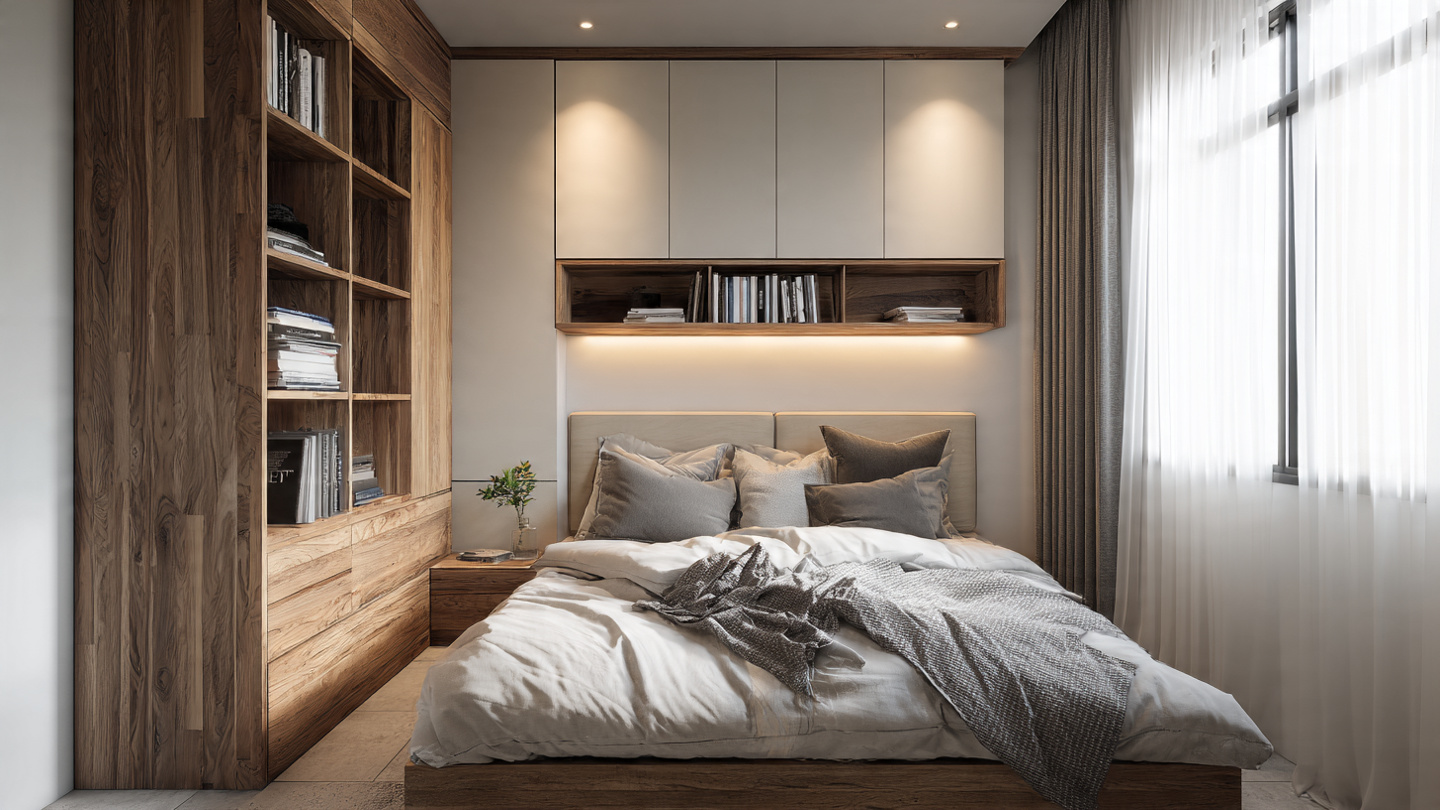
Introduction: Making Small Bedrooms Feel Bigger Small bedrooms can be challenging, but they also offer a unique opportunity to create intimate, cozy spaces that feel personal and peaceful. The key to successful bedroom ideas for small rooms lies in smart planning and intentional design. From layout optimization to thoughtful color choices, every detail matters. Instead of focusing on what you lack in square footage, embrace clever décor strategies that enhance comfort, storage, and visual openness. With the right approach, a compact bedroom can feel just as stylish and functional as a larger one. If you’re looking for more ideas, explore our complete guide on Bedroom & Living Ideas for stylish and cozy inspiration. 1. Choose Light Colors to Open Up the Space Color plays a powerful role in how a room feels. Light shades such as white, beige, soft gray, and pastel tones reflect natural light and make small bedrooms appear more spacious. Using a consistent color palette on walls, bedding, and furniture helps create visual flow, preventing the room from feeling crowded. Subtle contrasts through textures and soft accents add depth without overwhelming the space. 2. Opt for Space-Saving Furniture Furniture selection is critical in small bedrooms. Multi-functional pieces such as storage beds, wall-mounted nightstands, and compact dressers help reduce clutter while maximizing usability. Platform beds with built-in drawers provide hidden storage for linens and clothing. Choosing furniture with slim profiles and exposed legs creates an airy feel and allows light to move freely through the room. 3. Use Vertical Storage to Your Advantage When floor space is limited, look upward. Vertical storage solutions like tall wardrobes, floating shelves, and wall-mounted cabinets take advantage of unused wall space. Installing shelves above the bed or around windows provides additional storage without crowding the room. Vertical design draws the eye upward, making ceilings feel higher and rooms feel larger. 4. Create a Smart Bedroom Layout A well-planned layout can dramatically improve the functionality of a small bedroom. Positioning the bed against the longest wall or in a corner frees up walking space. Avoid blocking windows to allow natural light to fill the room. Keeping pathways clear and arranging furniture strategically helps maintain a sense of openness and comfort. Don’t miss our Master Bedroom Ideas 2026: Modern Comfort, Luxury, and Timeless Style for more inspiration. 5. Mirrors for Visual Expansion Mirrors are a classic trick for enhancing small spaces. A large mirror placed opposite a window reflects light and visually doubles the size of the room. Mirrored wardrobe doors or decorative wall mirrors also add brightness while serving practical purposes. Incorporating mirrors into bedroom ideas for small rooms creates instant depth and elegance. 6. Embrace Minimalist Decor Minimalism works exceptionally well in compact bedrooms. Limiting décor to essential pieces prevents visual clutter and promotes relaxation. Simple bedding, clean-lined furniture, and a few curated accessories keep the room feeling calm and organized. A minimalist approach ensures every item has purpose while maintaining a serene atmosphere. 7. Layer Lighting for Warmth and Function Good lighting transforms small bedrooms. Instead of relying on a single ceiling fixture, layer lighting with bedside lamps, wall sconces, and soft ambient lights. Wall-mounted or pendant lights free up nightstand space while adding style. Warm lighting tones create a cozy ambiance, making the room feel inviting rather than cramped. 8. Add Texture for Cozy Appeal Small bedrooms benefit from texture to avoid feeling flat. Layered bedding, throw pillows, area rugs, and curtains introduce warmth and personality. Natural materials such as wood, cotton, and linen enhance comfort while maintaining visual balance. Texture adds dimension without taking up physical space. 9. Hidden Storage Solutions Hidden storage is essential for keeping small bedrooms organized. Under-bed bins, storage ottomans, and headboards with compartments help conceal everyday items. Closet organizers maximize wardrobe space, making it easier to keep clothing neat and accessible. Smart storage solutions support both aesthetics and practicality. 10. Personal Touches Without Overcrowding Personal style matters, even in small rooms. Artwork, framed photos, or a favorite plant can bring character to your bedroom. The key is moderation—select a few meaningful pieces rather than filling every surface. Thoughtful styling creates a space that feels personal, cozy, and visually balanced. Conclusion: Transform Your Small Bedroom with Smart Design Bedroom ideas for small rooms are all about creativity, functionality, and comfort. By choosing light colors, smart furniture, vertical storage, and minimalist décor, you can design a compact bedroom that feels spacious and serene. With thoughtful planning and intentional styling, even the smallest bedroom can become a beautiful retreat that supports rest, relaxation, and everyday living. For more home inspiration, visit our homepage and For more tips like this, visit our Home Decor Hub and explore all our home decor guides.
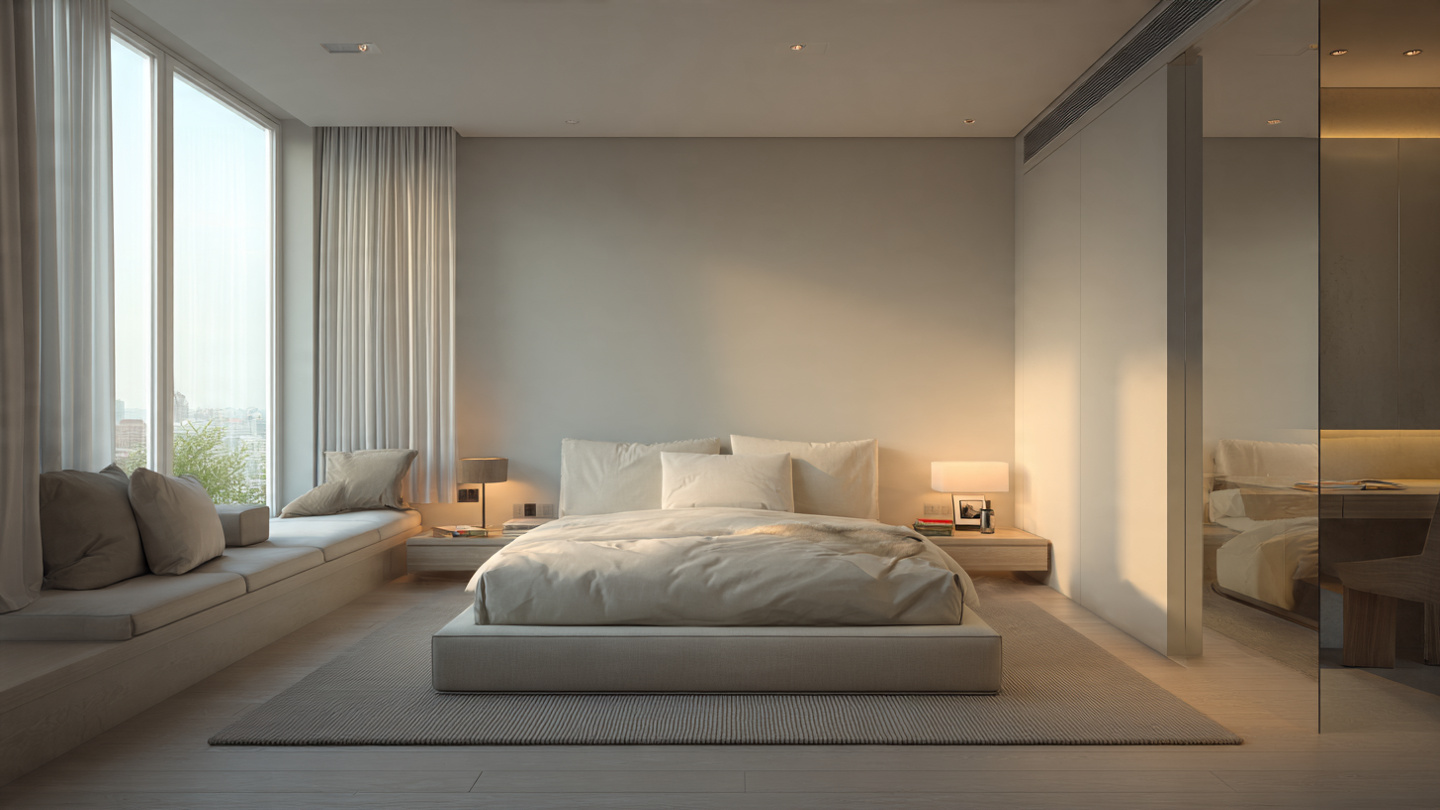
Cozy Bedroom Ideas That Turn Your Space into a Warm and Relaxing Retreat

Introduction The bedroom is one of the most personal and intimate spaces in a home, making comfort an essential design priority. Cozy bedroom ideas focus on warmth, softness, and emotional comfort rather than visual impact alone. Through thoughtful use of colors, textures, lighting, and layout, a bedroom can become a peaceful retreat that encourages rest, relaxation, and better sleep. If you’re looking for more ideas, explore our complete guide on Bedroom & Living Ideas for stylish and cozy inspiration. Choosing the Right Color Palette for a Cozy Bedroom Color plays a vital role in creating a cozy bedroom atmosphere. Warm neutrals such as beige, cream, taupe, and soft gray establish a calm foundation, while deeper tones like muted blues, olive green, earthy browns, or terracotta add warmth and depth. Soft pastels can also enhance coziness when paired with warm lighting. Avoid overly bright or harsh colors, as they can disrupt the soothing mood of the space. Layering Textiles for Comfort and Warmth Layered textiles are a defining feature of cozy bedroom design. Soft bedding, plush throws, and decorative cushions add warmth and texture. Materials like cotton, linen, wool, and velvet enhance comfort while creating visual depth. Rugs placed under the bed or seating area further soften the space and make the bedroom feel warm and welcoming. Lighting Ideas That Create a Cozy Atmosphere Lighting is essential for setting a cozy mood in the bedroom. Soft, warm lighting helps create a relaxed environment ideal for winding down. Bedside lamps, wall sconces, fairy lights, and dimmable ceiling fixtures add layers of light without harsh glare. During the day, natural light filtered through sheer curtains maintains warmth while preserving privacy. Furniture Choices That Enhance Comfort Furniture in a cozy bedroom should prioritize comfort and balance. Upholstered headboards, wooden bed frames, and gently curved furniture pieces create a welcoming feel. Avoid overcrowding the room, as too much furniture can make the space feel heavy. Instead, choose well-proportioned pieces that allow movement and breathing room. You can also explore Dreamy Bedrooms: Beautiful Ideas to Create a Soft, Cozy, and Magical Sleeping Space. Cozy Bedroom Ideas for Small Spaces Small bedrooms can feel cozy rather than cramped with smart design choices. Light color palettes, multifunctional furniture, and built-in storage help maximize space while maintaining warmth. Minimal clutter, vertical décor, and mirrors make the room feel more open, while soft lighting and layered textiles ensure comfort. Adding Warmth with Natural Materials Natural materials bring warmth and grounding energy into a cozy bedroom. Wood, rattan, linen, and stone add texture and authenticity to the space. Wooden furniture, woven baskets, and natural fiber rugs help create a relaxed and organic atmosphere that enhances comfort and visual harmony. Creating a Cozy Bedroom with Minimalist Design Minimalism can still feel cozy when designed thoughtfully. A minimalist cozy bedroom focuses on simplicity, neutral tones, and intentional décor. Warm lighting, textured fabrics, and carefully chosen accessories replace excess decoration, resulting in a calm and comforting environment. Cozy Bedroom Décor Accessories Accessories add personality and warmth to a bedroom. Artwork, framed photographs, candles, plants, and decorative mirrors contribute to a cozy feel when used in moderation. Each accessory should complement the overall design without creating visual clutter. Seasonal Cozy Bedroom Styling Seasonal styling helps maintain comfort throughout the year. In colder months, heavier fabrics, warm tones, and layered blankets enhance coziness. During warmer seasons, lighter bedding, breathable materials, and softer colors keep the room comfortable while preserving warmth and style. Creating a Personal Retreat with Cozy Bedroom Ideas A truly cozy bedroom reflects personal comfort and lifestyle. Soft scents, calming music, comfortable bedding, and meaningful décor transform the room into a private retreat. Designing with relaxation in mind ensures the bedroom remains a space for rest and emotional well-being. Conclusion Cozy bedroom ideas focus on creating a warm, comfortable environment that supports relaxation and restful sleep. Through thoughtful use of color, lighting, textures, furniture, and décor, any bedroom can become a peaceful sanctuary. A cozy bedroom not only enhances visual appeal but also improves daily comfort and quality of life. For more home inspiration, visit our homepage and For more tips like this, visit our Home Decor Hub and explore all our home decor guides.

Small Bedroom Ideas 2026: Smart, Stylish & Space-Saving Designs for Modern Homes

Designing a small bedroom has always required a balance between aesthetics and functionality, but in 2026, this balance becomes even more refined. As urban living continues to grow and homes become more compact, small bedrooms are no longer viewed as limitations. Instead, they are opportunities to create intentional, efficient, and visually pleasing personal spaces. Modern home décor trends emphasize simplicity, comfort, and intelligent design solutions that make even the smallest bedroom feel spacious and luxurious. The key to a successful small bedroom design lies in thoughtful planning. Every element—from furniture size and layout to color selection and lighting—plays a vital role in shaping how the space is perceived and used. Rather than overcrowding the room, 2026 design trends prioritize clean layouts, multifunctional features, and calm visual flow. Below are the most effective small bedroom ideas shaping modern interiors in 2026. If you’re looking for more ideas, explore our complete guide on Bedroom & Living Ideas for stylish and cozy inspiration. 1. Minimalist Layouts for Visual Spaciousness Minimalism remains a cornerstone of small bedroom design in 2026. Clean layouts with essential furniture pieces help reduce visual clutter and make the room feel larger. Simple bed frames, streamlined wardrobes, and open floor areas enhance movement and create a sense of calm. Neutral tones and uncluttered walls further reinforce the feeling of openness. 2. Smart Storage Integrated into Furniture Storage solutions are becoming more intelligent and integrated. Beds with built-in drawers, headboards with shelves, and wardrobes that extend vertically to the ceiling maximize storage without occupying extra floor space. In 2026, storage is seamlessly hidden within furniture, ensuring the bedroom remains visually clean and organized. 3. Light Color Palettes for Airy Interiors Light and neutral color palettes dominate small bedroom designs in 2026. Shades of white, beige, soft grey, and pastel tones reflect natural light and visually expand the room. These colors create a serene atmosphere while allowing furniture and décor accents to stand out subtly. 4. Multifunctional Furniture Solutions Furniture that serves more than one purpose is essential in compact bedrooms. Foldable desks, wall-mounted nightstands, and beds that double as seating help maximize usability. In 2026, multifunctional furniture focuses on comfort and design as much as practicality, ensuring style is never compromised. You can also explore Bedroom Ideas 2026: Modern Comfort, Calm Design, and Timeless Home Décor for more ideas. 5. Wall-Mounted Elements to Free Floor Space Wall-mounted lighting, shelves, and side tables reduce floor congestion and create a more open layout. Floating furniture enhances visual continuity and allows easier cleaning. This approach is especially effective in very small bedrooms where every inch matters. 6. Mirrors to Enhance Depth and Light Mirrors remain one of the most effective tools for small bedroom design. Strategically placed mirrors reflect light and create the illusion of depth. In 2026, mirrors are often integrated into wardrobe doors or styled as decorative wall features that add elegance while improving spatial perception. 7. Soft Lighting for Cozy Ambience Lighting design in small bedrooms focuses on warmth and layering. Soft ambient lighting, bedside wall lamps, and concealed LED strips create a cozy atmosphere without overwhelming the space. Proper lighting placement enhances comfort and makes the bedroom feel more inviting. 8. Vertical Design Elements Vertical design elements such as tall wardrobes, vertical wall panels, and elongated headboards draw the eye upward, making the room appear taller. This technique helps balance proportions and gives compact bedrooms a more refined architectural presence. 9. Simple Textures and Subtle Patterns Rather than bold prints, 2026 trends favor subtle textures and soft patterns. Upholstered headboards, textured wall finishes, and layered bedding add depth without making the room feel busy. These details enhance visual interest while maintaining harmony. 10. Personalized Yet Clutter-Free Décor Personalization remains important, even in small bedrooms. Carefully selected artwork, indoor plants, or accent cushions allow homeowners to express their style. The key is moderation—each décor element should have purpose and placement. Conclusion Small bedroom ideas in 2026 revolve around efficiency, calm aesthetics, and intelligent use of space. By embracing minimalism, smart storage, and thoughtful design choices, compact bedrooms can become stylish sanctuaries that feel both comfortable and spacious. With the right approach, size is no longer a constraint but a design advantage. For more home inspiration, visit our homepage and For more tips like this, visit our Home Decor Hub and explore all our home decor guides.

Bedroom Ideas 2026: Modern Comfort, Calm Design, and Timeless Home Décor

The bedroom has become one of the most personal and meaningful spaces in the modern home. In 2026, bedroom design places a strong emphasis on comfort, emotional well-being, and visual calm. More than just a place to sleep, the bedroom is now a retreat where design supports rest, relaxation, and balance in everyday life. Rather than following bold or short-term trends, bedroom ideas for 2026 prioritize longevity and functionality. Neutral foundations, quality materials, and thoughtful layouts define modern bedrooms, ensuring they remain relevant and comfortable for years to come. Whether designing a compact guest room or a spacious primary bedroom, the guiding principles remain the same: simplicity, warmth, and purpose. If you’re looking for more ideas, explore our complete guide on Bedroom & Living Ideas for stylish and cozy inspiration. The Design Philosophy Behind Bedrooms in 2026 The core philosophy of bedroom design in 2026 is intentional calm. Spaces are designed to feel uncluttered and visually soothing, reducing distractions and supporting better sleep. Clean lines, balanced proportions, and minimal ornamentation are combined with soft textures and warm lighting to create harmony. Designers increasingly focus on wellness-driven interiors. This approach influences color selection, material choice, and lighting strategies. The goal is to create an environment that feels restorative while still reflecting modern style and personal taste. Layout Planning and Spatial Balance An effective bedroom layout starts with understanding how the space is used. In 2026, layouts prioritize comfort and movement, ensuring the bedroom feels open and easy to navigate. Furniture is arranged to allow clear circulation around the bed, reinforcing a sense of order and relaxation. The bed remains the visual and functional centerpiece. It is often positioned against a feature wall or centered within the room to establish symmetry. Additional elements such as wardrobes, seating, or desks are integrated thoughtfully to avoid overcrowding. Even smaller bedrooms benefit from well-planned layouts that maximize space without compromising comfort. Color Trends for Bedroom Interiors Color palettes for bedrooms in 2026 are inspired by nature and tranquility. Soft neutrals such as warm white, beige, taupe, and muted gray dominate, creating a calming backdrop. These tones help reflect natural light and enhance the sense of space. Accent colors are subtle and earthy. Shades like sage green, clay, charcoal, or soft blue are introduced through textiles, artwork, or accent walls. Rather than strong contrasts, designers favor tonal layering to maintain a cohesive and restful atmosphere. You can also explore Floral Bedding Ideas: Transform Your Bedroom with Elegant Botanical Style. Furniture Design and Material Choices Bedroom furniture in 2026 reflects understated elegance. Bed frames are often low-profile, with upholstered or wood-paneled headboards that add comfort and visual warmth. Curved edges and soft forms are increasingly popular, reinforcing a sense of relaxation. Storage furniture is designed to blend seamlessly into the room. Wardrobes feature clean lines, matte finishes, and minimal hardware. Integrated storage solutions help reduce visual clutter, allowing the bedroom to feel calm and organized. Materials play a key role in shaping the overall feel of the space. Natural wood, textured fabrics, stone-inspired surfaces, and matte finishes add depth and sophistication without overwhelming the design. Lighting Design for Rest and Comfort Lighting is one of the most important elements of bedroom design in 2026. Instead of relying on a single overhead light, modern bedrooms use layered lighting to support different moods and activities. Ambient lighting provides soft, overall illumination, while task lighting supports reading or working in bed. Accent lighting highlights architectural features, headboards, or artwork. Warm light temperatures are preferred, as they promote relaxation and enhance comfort. Hidden LED strips, bedside pendant lights, and sculptural floor lamps add a contemporary touch while maintaining a soothing atmosphere. Wall Treatments and Feature Walls Walls in modern bedrooms are designed to add texture and depth without visual overload. Feature walls behind the bed often use subtle materials such as wood slats, fabric panels, textured paint, or minimalist wallpaper. These elements create interest while reinforcing the bed as the focal point. Large-scale artwork or simple framed prints are used sparingly to maintain a clean aesthetic. The emphasis is on balance rather than decoration. Textiles and Soft Furnishings Textiles play a vital role in bedroom comfort. In 2026, layering is essential. High-quality bedding, upholstered headboards, plush rugs, and soft throws contribute to a cozy and inviting environment. Natural fabrics such as cotton, linen, and wool are favored for their breathability and tactile quality. Curtains are often floor-length and lightly textured, allowing natural light to filter in while maintaining privacy. Décor and Personal Expression Décor in 2026 bedrooms is curated rather than abundant. A small number of meaningful pieces—such as artwork, decorative objects, or statement lighting—add personality without disrupting the calm aesthetic. Indoor plants remain a popular addition, introducing organic forms and subtle color. They help soften modern interiors and reinforce a connection to nature, which is central to wellness-focused design. Technology Integration in Modern Bedrooms Technology is seamlessly integrated into bedrooms in 2026. Smart lighting, automated curtains, and climate controls enhance comfort while remaining visually discreet. Charging stations and entertainment systems are often concealed within furniture or built-in units. The focus is on convenience without distraction. Technology supports daily routines while preserving the bedroom’s primary purpose as a space for rest. Creating a Timeless Bedroom Design While trends provide inspiration, timelessness remains a priority. Neutral color schemes, quality materials, and flexible layouts ensure longevity. Trend-driven elements are introduced through accessories and textiles, making future updates simple and cost-effective. A well-designed bedroom feels effortless. It supports sleep, relaxation, and personal expression without visual noise or unnecessary complexity. Conclusion Bedroom ideas for 2026 reflect a shift toward thoughtful, wellness-oriented design that balances modern aesthetics with everyday comfort. By combining soothing color palettes, refined furniture, layered lighting, and curated décor, bedrooms become personal retreats rather than purely functional spaces. Whether designing a new bedroom or updating an existing one, these ideas provide a clear framework for creating a calm, stylish, and timeless interior. For more home inspiration, visit our homepage and For more tips like this, visit

Master Bedroom Ideas 2026: Modern Comfort, Luxury, and Timeless Style

Master bedroom ideas for 2026 focus on creating a refined personal retreat that balances luxury, comfort, and functionality. This in-depth guide explores the latest design directions shaping modern master bedrooms, including calming color palettes, smart layouts, contemporary furniture, layered lighting, and elevated décor concepts. Designed for homeowners and interior design enthusiasts, this article offers practical inspiration to help transform the master bedroom into a stylish and restful sanctuary aligned with future-forward home décor trends. The master bedroom has evolved far beyond its traditional role as a place to sleep. In 2026, it represents a private sanctuary—an environment designed for rest, restoration, and quiet luxury. Modern homeowners increasingly expect their master bedrooms to reflect refined aesthetics while supporting wellness, comfort, and everyday functionality. As a result, master bedroom design trends in 2026 emphasize intentional planning, soothing environments, and timeless elegance. If you’re looking for more ideas, explore our complete guide on Bedroom & Living Ideas for stylish and cozy inspiration. Rather than following short-lived décor trends, contemporary master bedroom ideas focus on longevity. Materials, colors, and layouts are chosen to remain visually relevant for years while adapting easily to lifestyle changes. The bedroom becomes a personalized retreat that feels calm, uncluttered, and emotionally grounding. Design Philosophy for Master Bedrooms in 2026 The defining principle of master bedroom design in 2026 is balance. Interiors are neither overly minimal nor excessively decorative. Instead, they blend softness with structure, luxury with simplicity. Clean lines, subtle textures, and thoughtfully selected furnishings create a space that feels sophisticated yet deeply comfortable. There is also a growing emphasis on wellness-oriented design. Bedrooms are planned to reduce visual noise, enhance sleep quality, and encourage relaxation. This approach influences everything from layout decisions to lighting temperature and material selection. Layout Planning and Spatial Flow An effective master bedroom layout prioritizes ease of movement and visual clarity. Furniture placement in 2026 is more intentional, with clear zones for sleeping, dressing, and relaxing. Even compact master bedrooms benefit from well-defined areas that prevent the space from feeling crowded. The bed remains the focal point of the room, often positioned against a feature wall that subtly anchors the design. Nightstands, wardrobes, and seating areas are arranged symmetrically or with deliberate balance to maintain visual harmony. Open circulation around the bed is considered essential, reinforcing a sense of openness and calm. Don’t miss our Dreamy Bedrooms: Beautiful Ideas to Create a Soft, Cozy, and Magical Sleeping Space. Color Trends Shaping 2026 Bedrooms Color palettes for master bedrooms in 2026 lean toward soft, grounding tones inspired by nature. Warm neutrals such as sand, taupe, soft beige, and muted gray dominate, creating a serene foundation. These shades are often layered with earthy accents like clay, olive, charcoal, or soft terracotta. Rather than bold contrasts, color transitions are gentle and cohesive. The goal is to create an enveloping atmosphere that supports rest. Accent colors appear subtly through textiles, artwork, or upholstered furniture, ensuring the space remains visually interesting without overstimulation. Furniture Design and Material Choices Furniture in 2026 master bedrooms reflects understated luxury. Bed frames are typically low-profile with upholstered or wood-paneled headboards that enhance comfort and visual warmth. Curved silhouettes are increasingly popular, softening the overall look and promoting a sense of relaxation. Storage furniture is designed to be seamless and integrated. Wardrobes often feature flush doors, minimal hardware, and soft finishes that blend into the architecture. Materials such as natural wood, matte laminates, textured fabrics, and stone-inspired surfaces are favored for their tactile quality and timeless appeal. Comfort remains a central focus. Mattresses, seating benches, and lounge chairs are selected not only for style but also for ergonomic support and daily usability. Lighting Concepts for a Restful Atmosphere Lighting plays a transformative role in master bedroom design for 2026. Instead of relying on a single overhead fixture, modern bedrooms use layered lighting strategies to control mood and function. Ambient lighting provides soft, even illumination, while task lighting supports reading and daily routines. Accent lighting highlights architectural features, headboard walls, or decorative textures. Warm light temperatures are preferred, helping the room feel cozy and sleep-friendly. Hidden LED strips, bedside pendant lights, and sculptural floor lamps add a contemporary touch while maintaining visual softness. Wall Treatments and Feature Walls Walls in 2026 master bedrooms are designed to add depth without overwhelming the space. Feature walls behind the bed often incorporate textured panels, subtle wallpapers, wood slats, or fabric finishes. These elements enhance visual interest while reinforcing the bed as the room’s focal point. Neutral wall colors remain dominant, but texture becomes the primary design statement. This approach allows the room to feel layered and luxurious without relying on bold patterns or heavy ornamentation. Textiles and Soft Furnishings Textiles play a crucial role in shaping the comfort and aesthetic of the master bedroom. In 2026, layering is key. High-quality bedding, plush throws, upholstered headboards, and soft area rugs create a cocoon-like environment that feels inviting and refined. Natural fabrics such as cotton, linen, and wool are preferred for their breathability and tactile appeal. Curtains are often floor-length and lightly textured, allowing natural light to filter in while maintaining privacy. Décor and Personal Expression Décor in modern master bedrooms is curated with intention. Rather than excessive accessories, a few meaningful elements are chosen to reflect personal taste. Artwork, sculptural vases, or statement lighting fixtures add character without disrupting the calm aesthetic. Indoor plants continue to be a popular addition, introducing organic forms and subtle color. Their presence softens modern interiors and enhances the connection to nature, reinforcing the bedroom’s restorative purpose. Technology Integration in 2026 Bedrooms Technology in master bedrooms is becoming increasingly discreet. Smart lighting systems, automated curtains, and climate controls are seamlessly integrated to enhance comfort without visual clutter. Devices are often concealed within furniture or architectural elements, preserving the room’s clean appearance. This thoughtful integration supports convenience while maintaining the bedroom’s primary function as a space for rest and relaxation. Creating a Timeless Master Bedroom While trends inform design direction, the most successful master bedrooms in

Modern Living Room Design: Creating a Stylish, Functional, and Timeless Space

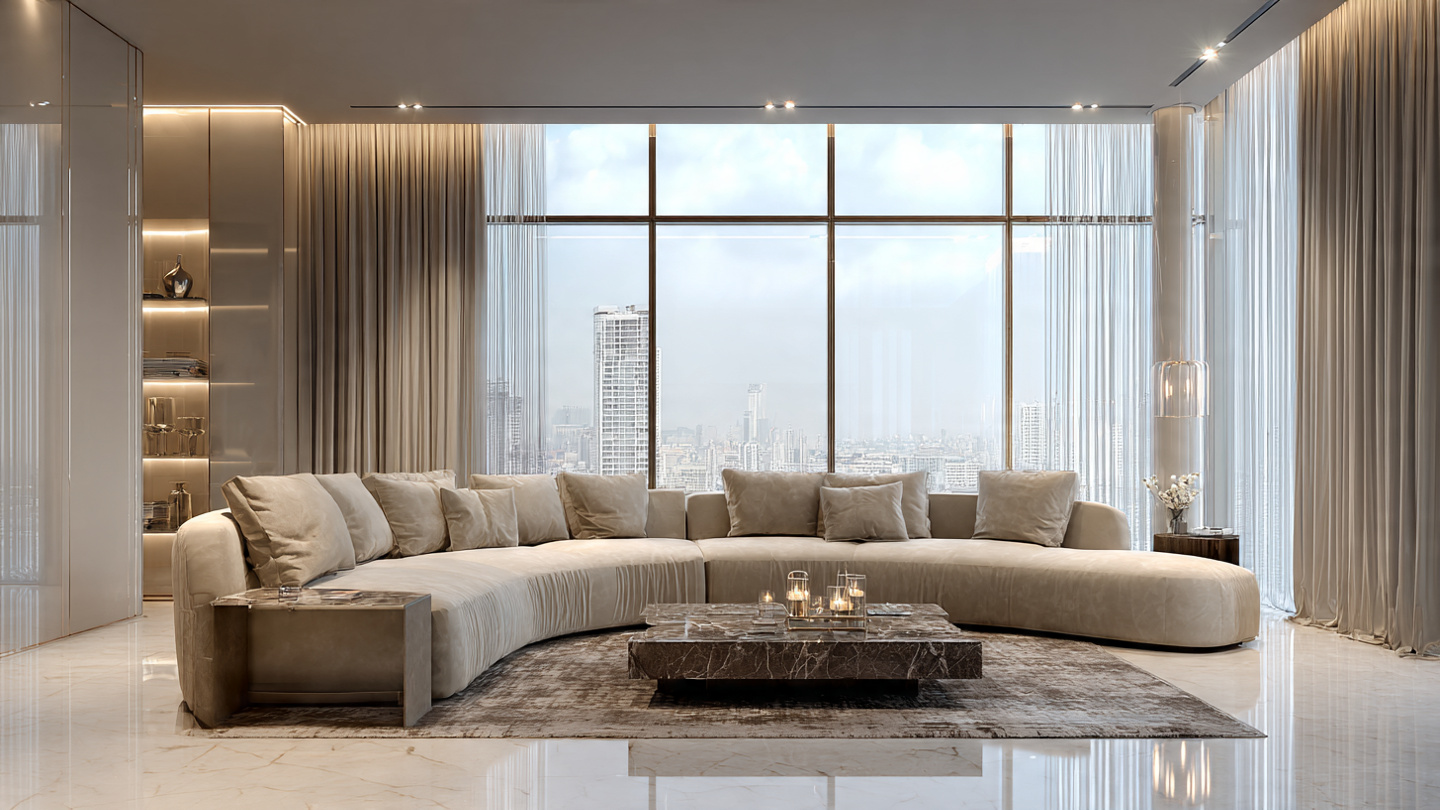
Modern living room design blends clean aesthetics with practical comfort, creating a space that feels refined yet welcoming. This comprehensive guide explores how thoughtful layouts, balanced color palettes, contemporary furniture, layered lighting, and curated décor elements come together to define a truly modern living room. Whether designing a compact apartment lounge or a spacious family living area, this article provides clear direction and inspiration to help you create a living room that reflects modern elegance while supporting everyday living. The living room has evolved from a purely social area into the visual and functional heart of the modern home. In contemporary interiors, it must support relaxation, entertainment, work-from-home flexibility, and aesthetic expression—all without appearing cluttered or overstated. Modern living room design addresses these needs by focusing on clarity, balance, and purposeful design decisions. If you’re looking for more ideas, explore our complete guide on Bedroom & Living Ideas for stylish and cozy inspiration. At its core, a modern living room is defined by simplicity that feels intentional rather than sparse. Every element, from furniture proportions to lighting placement, contributes to a cohesive environment. The emphasis is not on excess decoration but on carefully selected features that add value, comfort, and visual harmony. Understanding the Modern Design Philosophy Modern design is rooted in the principle of “less, but better.” This philosophy prioritizes form and function equally. Instead of filling the living room with decorative accessories, modern design encourages open space, clean lines, and high-quality materials. The result is an interior that feels calm, organized, and effortlessly stylish. Open layouts are common in modern homes, allowing the living room to flow seamlessly into dining or kitchen areas. This spatial openness enhances natural light and creates a sense of continuity throughout the home. Even in smaller living rooms, modern design uses clever furniture placement and visual balance to maintain an open feel. Layout and Spatial Planning A successful modern living room begins with a well-considered layout. Furniture placement should promote movement, conversation, and functionality. Rather than pushing everything against walls, modern layouts often float furniture in the center of the room to define zones and create intimacy. The seating arrangement typically centers around a focal point such as a feature wall, large window, or minimalist entertainment unit. Traffic flow should remain unobstructed, ensuring the room feels breathable and easy to navigate. Proportion is essential; oversized furniture can overwhelm a space, while undersized pieces may feel disconnected. Color Palette and Visual Balance Modern living rooms often rely on neutral color palettes that provide a timeless foundation. Shades of white, beige, gray, taupe, and soft earth tones dominate contemporary interiors. These hues reflect light, enhance spaciousness, and create a calm backdrop for daily life. To prevent the space from feeling flat, modern design introduces contrast through texture and accent colors. A charcoal sofa, muted olive cushions, or a warm wood coffee table can add depth without overpowering the room. The key is restraint—accent colors should complement the base palette rather than compete with it. Furniture Selection and Styling Furniture in a modern living room is defined by clean silhouettes and thoughtful craftsmanship. Sofas typically feature low profiles, straight or gently curved lines, and neutral upholstery. Sectional sofas are popular for their comfort and adaptability, particularly in open-plan homes. Coffee tables, side tables, and media units often combine materials such as wood, metal, glass, or stone. These combinations introduce visual interest while maintaining a streamlined appearance. Storage furniture is discreet and integrated, helping to keep the living room uncluttered. Comfort remains a priority. Modern design does not sacrifice usability for aesthetics; instead, it refines comfort through ergonomic shapes and high-quality materials. Lighting as a Design Element Lighting plays a critical role in modern living room design. Rather than relying on a single overhead fixture, modern interiors use layered lighting to create mood and functionality. Ambient lighting provides overall illumination, while task lighting supports activities such as reading or working. Accent lighting highlights architectural features, artwork, or textured walls, adding depth and visual drama. Recessed ceiling lights, slim floor lamps, and sculptural pendant fixtures are commonly used in modern spaces. Warm lighting tones are preferred to maintain a welcoming atmosphere, even in minimalist interiors. Materials and Textures Texture is essential in modern living rooms, especially when working with neutral color schemes. Smooth surfaces such as polished stone or glass are balanced with softer elements like fabric upholstery, area rugs, and curtains. Natural materials play a significant role in contemporary interiors. Wood finishes bring warmth, while stone or concrete elements introduce a subtle industrial edge. The interplay between soft and hard textures ensures the living room feels inviting rather than sterile. You can also explore Luxury Living Room Design Ideas 2026 | Classy, Modern & Elegant Styles. Wall Treatments and Feature Elements Walls in modern living rooms are often kept simple, but this does not mean they lack character. A feature wall can be created using textured panels, subtle wallpaper, wood slats, or stone cladding. These treatments add interest without overwhelming the space. Artwork is used selectively. Large-scale pieces or carefully arranged gallery walls complement modern interiors when framed simply and spaced thoughtfully. The goal is visual impact without clutter. Décor and Accessories Modern décor focuses on quality over quantity. Accessories are chosen for their form, texture, or cultural value rather than decorative excess. Sculptural vases, curated books, and understated planters enhance the living room while maintaining a clean aesthetic. Indoor plants are particularly effective in modern living rooms. They soften architectural lines, introduce natural color, and improve the overall ambiance. The selection of planters should align with the room’s design language, favoring simple shapes and neutral finishes. Technology Integration Technology is seamlessly integrated into modern living rooms. Televisions are mounted flush to walls or incorporated into minimalist media units. Smart lighting, automated blinds, and discreet sound systems enhance convenience without disrupting visual harmony. Cable management and concealed storage ensure technology supports the lifestyle without becoming a visual distraction. Personalization Within Modern Design While modern living rooms follow certain

Luxury Living Room Design Ideas 2026 | Classy, Modern & Elegant Styles

Luxury living room design ideas 2026 with modern elegant interior style

The living room remains the heart of every home—where design meets lifestyle, and luxury meets comfort. As we move into 2026, luxury living room design is evolving beyond traditional opulence into a refined blend of classy aesthetics, modern functionality, and timeless elegance. Homeowners now seek interiors that are visually impressive yet practical, sophisticated yet welcoming. This guide explores the most influential luxury living room design ideas for 2026, covering trends, materials, layouts, colors, lighting, and décor strategies that define high-end interiors. Why Luxury Living Room Design Matters in 2026 Modern luxury is no longer about excess—it is about intentional design. In 2026, premium living spaces focus on: A well-designed luxury living room enhances property value, lifestyle quality, and the emotional experience of the home. If you’re looking for more ideas, explore our complete guide on Bedroom & Living Ideas for stylish and cozy inspiration. Top Luxury Living Room Trends for 2026 1. Minimalist Luxury (Quiet Luxury) The era of loud interiors is fading. 2026 celebrates quiet luxury—spaces that feel expensive without appearing extravagant. Key features: This trend reflects confidence and maturity in design. Don’t miss our Chic Apartment Aesthetic: The Ultimate 2026 Guide. 2. Statement Furniture with Sculptural Forms Luxury living rooms now feature furniture as art. Popular choices: These pieces add elegance while maintaining comfort and usability. 3. Smart Technology Integration Modern luxury means intelligent homes. Common features in 2026 living rooms: Technology blends seamlessly into design rather than dominating it. Elegant Color Palettes for 2026 Color plays a defining role in creating a classy living room atmosphere. Trending Luxury Colors These tones create a calm yet upscale environment that feels timeless rather than trendy. Premium Materials That Define Luxury Material selection separates ordinary interiors from extraordinary ones. Top Materials for 2026 1. Natural Stone Marble, travertine, and onyx for feature walls and tables. 2. Rich Wood Finishes Walnut, oak, teak, and ash for warmth and sophistication. 3. Soft Textiles Velvet, boucle, chenille, and premium linens for sofas and cushions. 4. Metallic Accents Brushed brass, champagne gold, and matte bronze for trims and décor. Modern Living Room Layout Ideas Open-Concept Luxury Open layouts remain dominant, especially in modern villas and apartments. Use: This keeps the space flowing while maintaining structure. Symmetrical Layouts for Classic Elegance Symmetry creates visual balance and timeless charm. Example: This approach works beautifully in formal living rooms. Lighting: The Core of Elegant Interiors Lighting transforms luxury from good to exceptional. Layered Lighting Approach A truly luxurious living room uses three lighting layers: Trending Fixtures Lighting should enhance the architecture, not overpower it. Wall Design Ideas for Luxury Living Rooms 1. Feature Walls 2. TV Wall Concepts Luxury TV units in 2026 include: The TV wall becomes a focal point rather than a functional afterthought. Flooring Options That Elevate Style High-end flooring adds immediate value to interiors. Best luxury flooring materials: Neutral flooring allows furniture and décor to stand out gracefully. Décor Elements That Define Class Luxury is in the details. Must-Have Décor in 2026 Avoid clutter. Every object should serve a visual or emotional purpose. Sustainable Luxury Living Rooms Eco-conscious design is becoming a hallmark of premium homes. Sustainable Luxury Ideas Sustainability adds ethical value to visual elegance. Small Living Room Luxury Ideas Luxury is not limited to large spaces. For compact living rooms: Even small areas can feel premium with thoughtful planning. Luxury Living Room Styles to Explore in 2026 1. Modern Classic Combines contemporary layouts with classic detailing—moldings, neutral tones, elegant furniture. 2. Contemporary Glam Features metallic finishes, plush seating, statement lighting. 3. Scandinavian Luxury Minimalist yet warm—soft woods, neutral textiles, cozy lighting. 4. Urban Chic Sleek finishes, bold accents, dramatic lighting, clean geometry. Common Mistakes to Avoid in Luxury Design Even premium budgets can fail with poor planning. Avoid: True luxury feels effortless—not forced. How to Create a Luxury Living Room on Any Budget Luxury is more about design intelligence than spending. Budget-smart tips: Even modest homes can achieve a classy look with the right strategy. Why Professional Interior Design Makes a Difference Hiring professional architects and interior designers ensures: Luxury design is an investment, and expert guidance maximizes returns. Final Thoughts The luxury living room designs of 2026 are defined by subtle sophistication, modern functionality, and elegant restraint. Homes today demand spaces that feel peaceful, intelligent, and timeless—rather than overly decorative or trend-driven. By focusing on refined colors, premium materials, intelligent layouts, and layered lighting, you can create a living room that reflects both personal style and contemporary luxury standards. Whether designing a new home or upgrading your current space, these ideas will help you achieve a living room that is truly classy, modern, and elegant. For more home inspiration, visit our homepage and For more tips like this, visit our Home Decor Hub and explore all our home decor guides.