11 Workout Routines for a Healthier Daily Lifestyle
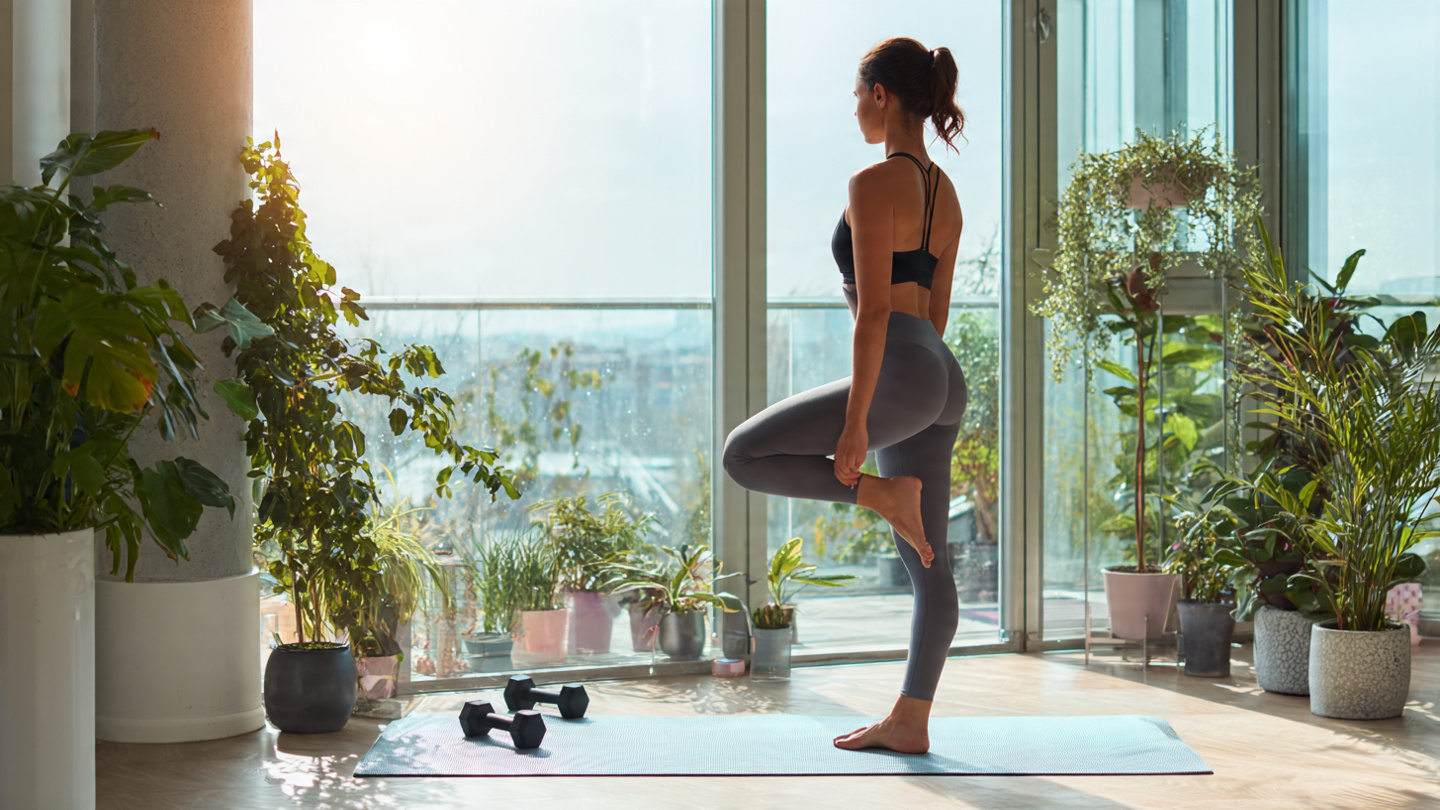
Person doing a home workout routine for a healthier daily lifestyle.

The most effective changes come from simple and consistent workout routines that support energy, strength, and mental clarity. Living a healthier lifestyle doesn’t always require complicated gym schedules or intense training programs. Whether you exercise at home or outdoors, building a daily fitness habit can improve overall health, boost mood, and help maintain a balanced routine. To stay consistent with fitness, explore our complete Fitness & Exercise guide for more workout ideas. The beauty of a structured workout routines is that it can be tailored to your schedule and fitness level. From morning stretching sessions to energizing cardio workouts, small movements throughout the day can add up to big results over time. The following workout ideas focus on approachable routines that support strength, flexibility, and long-term wellness while fitting easily into everyday life. 1. Morning Stretch Workout Routine Starting the day with a morning stretch workout routine helps wake up muscles and prepare the body for daily movement. Gentle stretches improve flexibility, release stiffness, and encourage healthy circulation after hours of sleep. Even a ten-minute session can reduce tension in the shoulders, neck, and lower back while promoting better posture throughout the day. A balanced stretching routine may include forward bends, gentle twists, and light shoulder rolls. These movements gradually activate muscles without overwhelming the body early in the morning. Pairing stretching with slow breathing also promotes mental clarity and focus. Over time, this habit can make daily activities feel easier while supporting long-term mobility and overall physical wellness. 2. Beginner Bodyweight Workout Routine A beginner bodyweight workout routine is one of the most accessible ways to build strength without expensive equipment. Exercises such as squats, push-ups, and lunges rely on your body’s own resistance to develop muscle tone and endurance. Because these movements can be modified easily, they work well for beginners who want to improve fitness gradually. Performing bodyweight exercises three or four times per week can increase muscle stability and balance. A short circuit including squats, planks, and step-back lunges activates multiple muscle groups in a single session. This makes bodyweight training a practical option for people seeking efficient workout routines that strengthen the entire body while supporting a consistent healthy lifestyle. 3. Home Cardio Workout Routine Cardio exercises are essential for heart health and energy levels, making them a valuable part of balanced workout routines. A simple home cardio routine can include jumping jacks, high knees, or fast step-touch movements performed in short intervals. These exercises elevate heart rate and encourage better blood circulation throughout the body. Short bursts of cardio combined with brief rest periods can make the routine more engaging. For example, thirty seconds of jumping jacks followed by twenty seconds of rest repeated for several rounds creates an effective session. Over time, consistent cardio workouts can improve stamina, support metabolism, and contribute to an overall healthier daily lifestyle. 4. Core Strength Workout Routine Strengthening the core plays an important role in maintaining balance and posture. A focused core workout routine targets abdominal muscles, lower back, and hips, which support everyday movements like bending, walking, and lifting. Exercises such as planks, bicycle crunches, and leg raises help develop stability while improving body alignment. When practiced consistently, core exercises enhance overall fitness performance and reduce the risk of injury. Even a short session two or three times per week can strengthen deep stabilizing muscles. This routine not only supports athletic activities but also improves daily mobility, making simple tasks feel more comfortable and efficient throughout the day. 5. Yoga Flow Workout Routine A yoga flow workout routine combines gentle movement with mindful breathing to promote flexibility and relaxation. Unlike high-intensity workouts, yoga focuses on controlled transitions between poses, helping improve balance and coordination. This type of routine is particularly helpful for relieving stress and supporting mental well-being. Practicing yoga regularly can increase flexibility in the hips, shoulders, and spine. A basic flow sequence may include downward dog, warrior poses, and seated stretches. The combination of movement and breath awareness encourages relaxation while still providing a beneficial physical workout that supports both body strength and mental calmness. 6. Resistance Band Workout Resistance bands provide a simple yet effective way to add strength training to daily workout routines. These lightweight bands create tension that challenges muscles while remaining gentle on joints. Exercises like band rows, glute bridges, and arm extensions help build strength gradually. The portability of resistance bands also makes them convenient for home workouts or travel. A quick routine using upper-body and lower-body movements can strengthen several muscle groups within twenty minutes. Over time, resistance training supports muscle tone, improves stability, and encourages healthy body composition. You can also include flat stomach exercises at home to target your core effectively. 7. Walking Fitness Routine Walking remains one of the most accessible workout routines for improving overall wellness. A brisk walk encourages cardiovascular activity without placing excessive strain on joints. Even a twenty-minute walk through a neighborhood or park can refresh the mind and activate major muscle groups. Making walking a daily habit also promotes mental clarity and relaxation. Many people combine their walk with listening to music or a podcast, turning exercise into a peaceful routine. Over time, consistent walking supports endurance, improves circulation, and helps maintain a balanced lifestyle. 8. Strength Circuit Workout A strength circuit workout routine combines multiple exercises performed back-to-back with minimal rest. This format keeps workouts dynamic and efficient, helping build strength while also improving endurance. A simple circuit might include squats, push-ups, lunges, and light dumbbell presses. Rotating through different exercises keeps muscles engaged and prevents boredom. Performing three or four rounds of the circuit provides a balanced session targeting upper body, lower body, and core muscles. This approach allows individuals to complete effective workout routines even when time is limited. 9. Low Impact Workout Low-impact workout routines are ideal for individuals seeking gentle movement that still supports physical health. Exercises such as step touches, slow squats, and controlled leg lifts reduce stress on joints while maintaining steady
11 Step Ups Exercises for Glutes and Balance

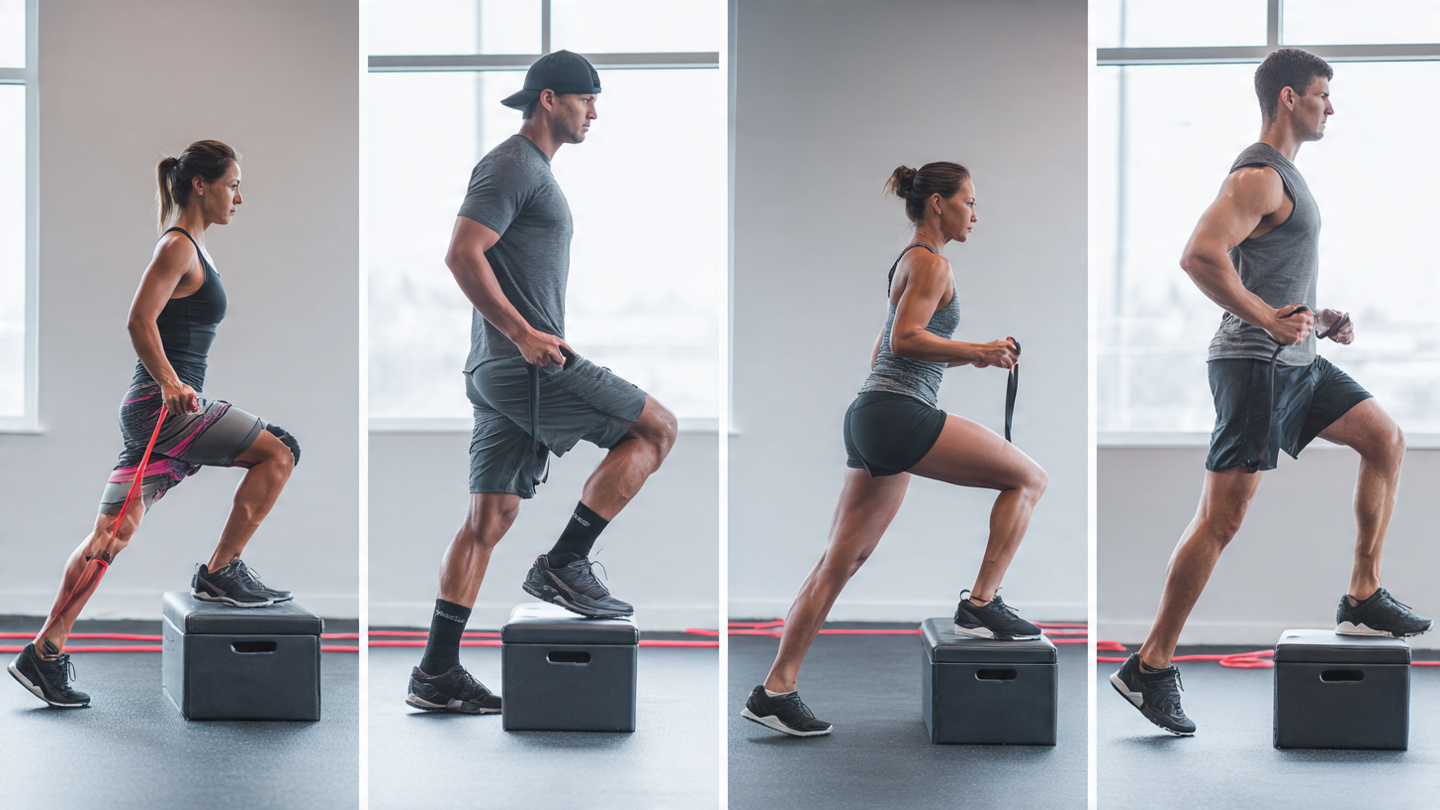
Building strong glutes and improving balance does not always require complicated gym machines. Sometimes the most effective exercises are also the simplest. Step ups exercises for glutes and balance are a perfect example. This functional movement mimics everyday actions like climbing stairs, helping strengthen the lower body while improving stability and coordination. To stay consistent with fitness, explore our complete Fitness & Exercise guide for more workout ideas. Fitness trainers often recommend step ups because they target multiple muscle groups at once, including the glutes, hamstrings, quadriceps, and core. They also help correct muscle imbalances since each leg works independently. The following guide explores 11 step ups exercises for glutes and balance, with simple variations that add variety to workouts while keeping the movement safe, effective, and beginner friendly. 1. Classic Step Ups Classic step ups are the foundation of most step ups exercises for glutes and balance. The movement is simple but highly effective because it engages the glutes, thighs, and core while improving coordination. To perform the exercise, place one foot on a sturdy bench or step and press through the heel to lift your body upward. The opposite leg follows until both feet are on the platform before stepping back down. Maintaining proper posture during the movement is essential for safety and effectiveness. Keep the chest lifted, core engaged, and knees aligned with the toes. Performing slow, controlled repetitions helps activate the glute muscles while also improving balance. This variation works well as a warm-up exercise or as part of a lower body strength routine. 2. Weighted Step Ups Weighted step ups increase resistance and make the exercise more challenging. Adding dumbbells or kettlebells encourages the glutes and legs to work harder, which helps build strength and muscle endurance. This variation is often included in step ups exercises for glutes and balance because it strengthens the lower body while also improving coordination. When performing weighted step ups, start with lighter weights and focus on maintaining proper technique. Step onto the platform using controlled movements and avoid pushing off the back leg too much. Gradually increasing the weight over time helps improve muscle strength while keeping the exercise safe and effective. 3. Lateral Step Ups Lateral step ups introduce side-to-side movement that targets additional muscle groups. Unlike traditional step ups, this variation requires stepping onto the platform from the side. The movement activates the outer glutes and hip muscles while strengthening stabilizers that support balance. Adding lateral step ups to a workout routine helps create well-rounded lower body strength. The sideways motion also challenges coordination because the body must maintain alignment throughout the exercise. Practicing this variation regularly can improve stability and support better movement during daily activities. 4. High Knee Step Ups High knee step ups add a dynamic element to the exercise. After stepping onto the platform, the opposite knee lifts toward the chest before stepping back down. This motion increases core engagement and improves balance while maintaining focus on the glutes. This variation works well for building coordination and stability. The knee lift requires the body to balance on one leg momentarily, which activates the core and hip muscles. Including high knee step ups in a routine can help enhance functional strength and athletic movement. 5. Reverse Step Ups Reverse step ups focus on controlled descent, which strengthens the muscles responsible for stability. Instead of stepping forward onto the platform, this variation involves stepping backward down from it. This motion challenges balance and improves muscle control. Practicing reverse step ups regularly can help develop better joint stability and coordination. Moving slowly during the downward phase allows the glutes and thighs to remain engaged. This controlled movement makes the exercise effective for improving both strength and balance. You can also follow daily workout routines for a healthier lifestyle. 6. Step Ups with Knee Drive Step ups with knee drive add a powerful upward motion to the exercise. After stepping onto the platform, the opposite knee drives upward with energy. This movement activates the glutes and core while improving balance and coordination. This variation is commonly used in athletic training because it mimics natural movements like climbing or running. Performing the exercise slowly at first helps build balance, while increasing speed later adds a cardio element to the workout. 7. Curtsy Step Ups Curtsy step ups combine traditional step ups with a curtsy lunge motion. This variation targets the glutes from a slightly different angle, helping activate smaller stabilizing muscles around the hips. Including curtsy step ups in workouts adds variety while strengthening muscles responsible for balance. The crossing movement also improves coordination and encourages better control during each repetition. 8. Box Step Ups Box step ups involve stepping onto a higher platform such as a plyometric box. The increased height requires greater strength from the glutes and thighs. This variation is often used in strength training routines to build powerful lower body muscles. Because the platform is higher, maintaining control is essential. Slow and steady movements help activate the muscles effectively while preventing unnecessary strain on the knees or hips. 9. Alternating Step Ups Alternating step ups add rhythm and movement to traditional step ups. Instead of completing multiple repetitions with one leg, the exerciser switches legs with every repetition. This style keeps the workout dynamic and helps improve coordination. Alternating step ups also encourage equal strength development between both legs, which is important for overall balance and stability. Creating a stylish home gym setup for workouts improves consistency 10. Resistance Band Step Ups Resistance bands create extra tension that activates the glute muscles more intensely. When placed around the thighs during step ups, the band encourages the hips to stay aligned. This small adjustment makes the exercise more effective for targeting the glutes. Resistance bands also add variety to workouts while remaining portable and easy to use at home. 11. Slow Tempo Step Ups Slow tempo step ups emphasize muscle control and stability. Instead of rushing through repetitions, each step is performed slowly and

11 Glute Workout Women Love for Strong Curves

Glute workout women performing strength exercises for strong curves.

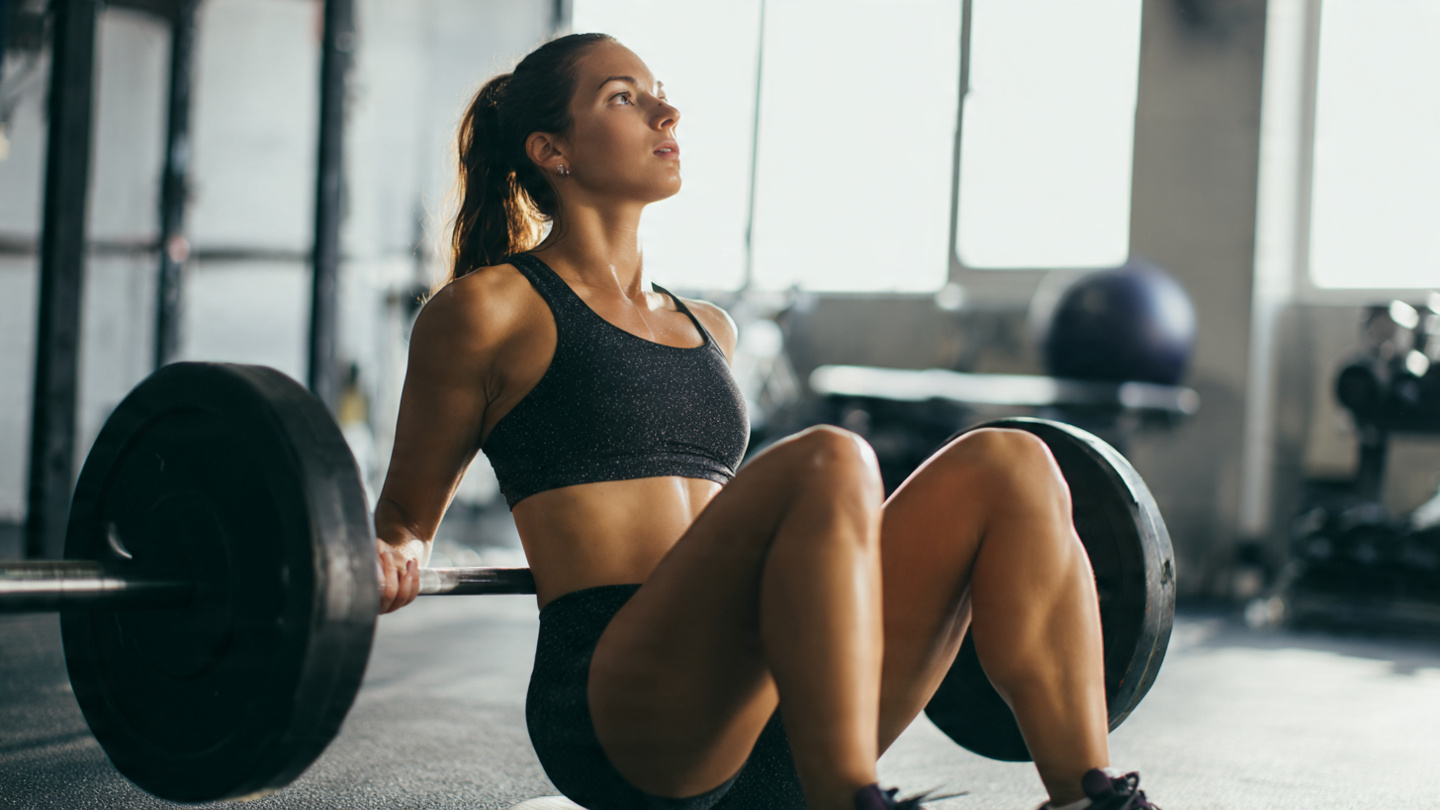
Strong curves don’t happen by accident. They’re built with intention, consistency, and the right exercises. If you’ve been adding random lower-body moves to your routine without seeing real progress, it might be time to focus on workouts that truly activate and strengthen your glutes. The good news? You don’t need complicated equipment or endless gym hours. To stay consistent with fitness, explore our complete Fitness & Exercise guide for more workout ideas. This guide breaks down 11 glute workout women love for strong curves, with clear movement tips and image prompts for better form visualization. Whether you train at home or in the gym, these exercises help you build strength, shape, and confidence step by step. 1. Barbell Hip Thrusts Barbell hip thrusts are often considered the foundation of any serious glute workout women love for strong curves. This exercise directly targets the gluteus maximus, helping you build both strength and shape. Unlike squats, hip thrusts keep constant tension on the glutes, especially at the top of the movement where you fully extend your hips. Start with moderate weight and focus on controlled reps. Pause for one to two seconds at the top while squeezing your glutes tightly. Keep your core engaged and avoid arching your lower back. Performing three to four sets of eight to twelve reps can deliver noticeable strength gains over time. 2. Romanian Deadlifts Romanian deadlifts are excellent for sculpting the lower body while strengthening the hamstrings and glutes. The key to this move is the hip hinge. Instead of bending deeply at the knees, you push your hips backward while keeping your back flat and chest lifted. Lower the weights slowly until you feel a stretch in your hamstrings, then drive your hips forward to return to standing. This controlled motion ensures your glutes do the work. Add this to your weekly glute workout routine to improve both muscle definition and posterior chain strength. 3. Bulgarian Split Squats Bulgarian split squats challenge balance while isolating each leg individually. This helps correct muscle imbalances and creates more defined curves. Elevating the back foot increases glute activation in the front leg. Keep your torso slightly leaned forward to emphasize the glutes. Lower slowly and push through your front heel to rise. Aim for three sets of eight to ten reps per leg. This movement may feel intense, but it delivers powerful lower-body results. 4. Cable Kickbacks Cable kickbacks isolate the glutes with precision. The controlled backward extension keeps tension exactly where you want it. Unlike compound lifts, this move focuses on direct muscle contraction. Stand tall and avoid swinging your leg. Move slowly and squeeze at full extension. This exercise works best as a finishing movement after heavier lifts. Higher reps, around twelve to fifteen per leg, enhance muscle engagement and endurance. 5. Step-Ups Step-ups are simple yet effective. They mimic everyday movement patterns while strengthening the glutes. The key is pushing through your heel instead of your toes when stepping up. Choose a bench height that forms a 90-degree angle at your knee. Move with control and avoid using momentum. Step-ups improve balance, coordination, and muscle symmetry. Add them to your glute workout plan for steady progress. You can combine this with step-up exercises for glutes and balance. 6. Glute Bridges Glute bridges are beginner-friendly and effective for activation. They teach proper hip extension mechanics without heavy equipment. This makes them ideal for home workouts. Press through your heels and lift your hips until your body forms a straight line from shoulders to knees. Squeeze at the top and lower slowly. Perform fifteen controlled reps per set to improve muscle awareness and strength. 7. Sumo Squats Sumo squats target both glutes and inner thighs. The wider stance increases lower-body activation. Holding a kettlebell adds resistance without overcomplicating the movement. Lower your hips until thighs are parallel to the floor. Keep knees aligned with toes. Drive upward through your heels. This variation builds strength and enhances overall lower-body tone. 8. Walking Lunges Walking lunges improve endurance and glute engagement. Each step challenges stability while activating multiple muscles. Step forward, lower both knees to 90 degrees, then push off the front heel. Continue alternating legs. This dynamic exercise enhances coordination and lower-body definition. 9. Donkey Kicks Donkey kicks isolate the glutes using bodyweight resistance. They are perfect for warm-ups or burnout sets. Keep hips square and avoid arching your back. Lift your leg upward with control and squeeze at the top. Higher reps increase muscle endurance and tone. Adding flat stomach exercises at home balances your routine. 10. Curtsy Lunges Curtsy lunges target the outer glutes. The crossing motion activates muscles that standard lunges may miss. Step one leg diagonally behind you and lower into a lunge. Keep your chest lifted and push through your front heel to stand. This adds shape and balance to your lower body routine. 11. Resistance Band Lateral Walks Resistance band lateral walks strengthen the glute medius. This muscle supports hip stability and enhances overall shape. Stay in a partial squat and step sideways with tension in the band. Keep movements controlled. Add this to warm-ups or finishing circuits for better glute activation. Quick Tips for Better Results FAQ 1. How often should I train glutes?Two to three sessions weekly allow muscle recovery and growth. 2. Can I build curves at home?Yes, bodyweight and resistance band exercises are effective. 3. How long until results show?With consistency, visible changes often appear within six to eight weeks. 4. Do I need heavy weights?Progressive resistance helps, but proper form matters most. 5. Should I combine cardio?Balanced cardio supports fat loss while strength training builds curves. Conclusion Strong curves come from consistent training and smart exercise choices. These 11 glute workout women love for strong curves focus on strength, activation, and balanced development. Start with foundational movements, progress gradually, and stay consistent. Results follow effort. For more tips like this, visit our Wellness Hub and explore all our wellness guides. You can also check out our

10 Exercise for Flat Stomach at Home 2026

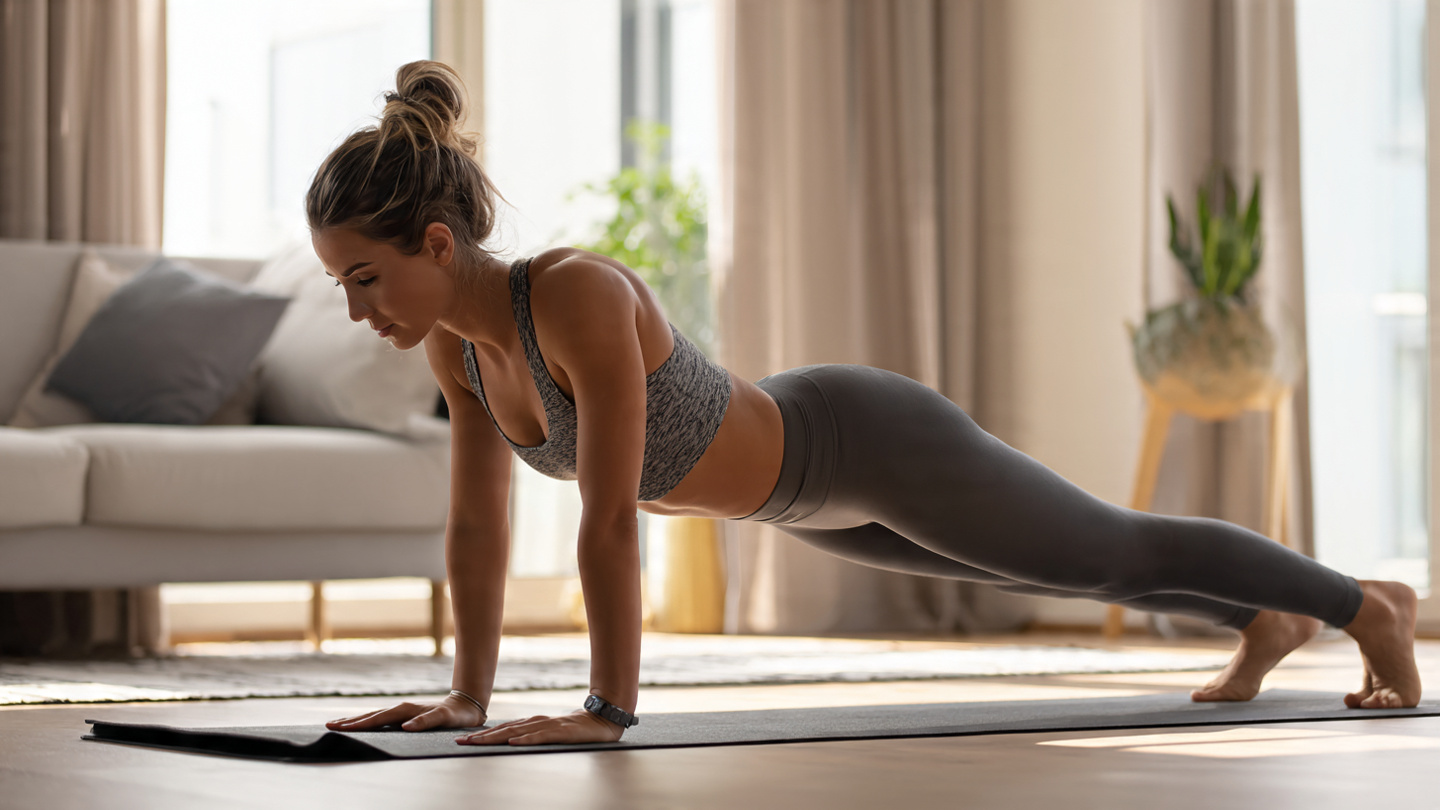
Woman performing plank as part of exercise for flat stomach at home 2026 routine.

A flat stomach is not about extreme dieting or spending hours at the gym. It’s about consistency, smart movement, and exercises that truly activate your core. If you’re looking for realistic ways to tone your midsection, these exercise for flat stomach at home 2026 ideas are simple, effective, and beginner-friendly. To stay consistent with fitness, explore our complete Fitness & Exercise guide for more workout ideas. No fancy equipment. No complicated routines. Just focused movements you can do in your living room. Let’s break down ten powerful exercises that help strengthen your core and support a flatter stomach. 1. Forearm Plank Hold The forearm plank is one of the most effective exercise for flat stomach at home routines because it engages your entire core. Start by placing your forearms on the mat, elbows directly under shoulders. Extend your legs behind you and keep your body in a straight line from head to heels. Tighten your abdominal muscles and avoid letting your hips drop. Hold for 30 to 60 seconds while breathing steadily. Consistency is key here. Begin with three sets and gradually increase your hold time each week. Planks not only target the stomach but also strengthen shoulders and lower back. Keep your neck neutral and focus on controlled breathing. If it feels too hard, drop your knees while maintaining proper form. This simple move builds foundational core strength and supports long-term toning results. 2. Bicycle Crunch Bicycle crunches are powerful for targeting upper and lower abdominal muscles. Lie flat on your back, lift your legs into tabletop position, and place your hands lightly behind your head. Rotate your torso to bring one elbow toward the opposite knee while extending the other leg. Move slowly and with control to feel the burn in your midsection. This flat stomach workout at home improves coordination and strengthens obliques. Aim for 12 to 15 repetitions on each side for three rounds. Avoid pulling your neck forward; keep movement coming from your core. The twisting motion helps define your waistline over time. Stay consistent, and you’ll notice improved muscle tone and endurance in just a few weeks. 3. Leg Raises Leg raises are excellent for lower abdominal activation. Lie flat on your back with your legs extended. Place your hands under your hips for support and slowly lift both legs toward the ceiling. Lower them back down without letting them touch the floor. Move slowly to maintain tension in your stomach muscles. This lower belly fat exercise at home helps build control and strength. Start with 10 to 12 repetitions and increase gradually. Keep your lower back pressed into the mat to avoid strain. If straight legs feel challenging, bend your knees slightly. Over time, this movement improves muscle definition and supports a flatter stomach appearance. 4. Mountain Climbers Mountain climbers combine cardio and core training in one move. Begin in a high plank position with arms extended. Quickly alternate bringing one knee toward your chest, then switch legs. Keep your hips stable and your core engaged throughout the movement. This exercise for flat stomach at home 2026 increases heart rate and burns calories while strengthening your abdominal muscles. Aim for 30 seconds per round and repeat three times. Maintain steady breathing and controlled speed. This move also boosts endurance and supports overall fat loss when combined with balanced nutrition. Adding glute exercises for strength and stability helps overall balance. 5. Russian Twists Russian twists focus on the oblique muscles that shape your waistline. Sit on the floor with knees bent and lean back slightly. Hold your hands together or a small weight. Rotate your torso from side to side, keeping your core tight and movements controlled. This core strengthening workout at home helps improve balance and coordination. Perform 15 twists per side for two to three sets. Keep your back straight and avoid slouching. Adding light resistance increases intensity over time. Consistent practice helps tone your sides and improve overall core stability. 6. Flutter Kicks Flutter kicks are simple yet effective. Lie flat on your back with legs extended. Lift them slightly off the ground and alternate small kicking motions up and down. Keep your lower back pressed into the mat and engage your abdominal muscles. This home workout for flat stomach strengthens lower abs and improves muscle endurance. Start with 20 seconds and gradually increase duration. Avoid lifting your legs too high to maintain tension. Controlled breathing enhances performance and prevents fatigue. This movement is excellent for targeting stubborn lower belly areas. 7. Reverse Crunch Reverse crunches shift focus to lower abdominal muscles. Lie on your back with knees bent and feet lifted. Use your core to lift your hips slightly off the floor while pulling knees toward your chest. Lower slowly with control. This ab workout at home for women improves lower core strength. Perform 12 repetitions for three sets. Avoid swinging your legs; keep movements slow and intentional. Engaging your abdominal muscles fully enhances results and protects your lower back. 8. Standing Side Crunch Standing side crunches are great for beginners. Stand upright, place one hand behind your head, and lift your knee sideways toward your elbow. Alternate sides while keeping movements controlled and balanced. This easy exercise for flat stomach at home improves mobility and targets side muscles. Aim for 15 repetitions each side. It’s perfect for quick sessions when you don’t want to lie on the floor. Stay upright and focus on squeezing your core with each lift. 9. Heel Taps Heel taps isolate the oblique muscles. Lie on your back with knees bent and feet flat. Lift your shoulders slightly and reach side to side toward your heels. Keep your core engaged and avoid straining your neck. This exercise for flat stomach at home helps define your waistline. Perform 20 taps per side for two to three sets. Slow and controlled motion maximizes results. Keep breathing steady to avoid tension. You can also try lymph drainage massage to reduce bloating naturally. 10. High Knees Cardio High

Lymph Drainage Massage: Reduce Bloating Fast and Feel Lighter Today

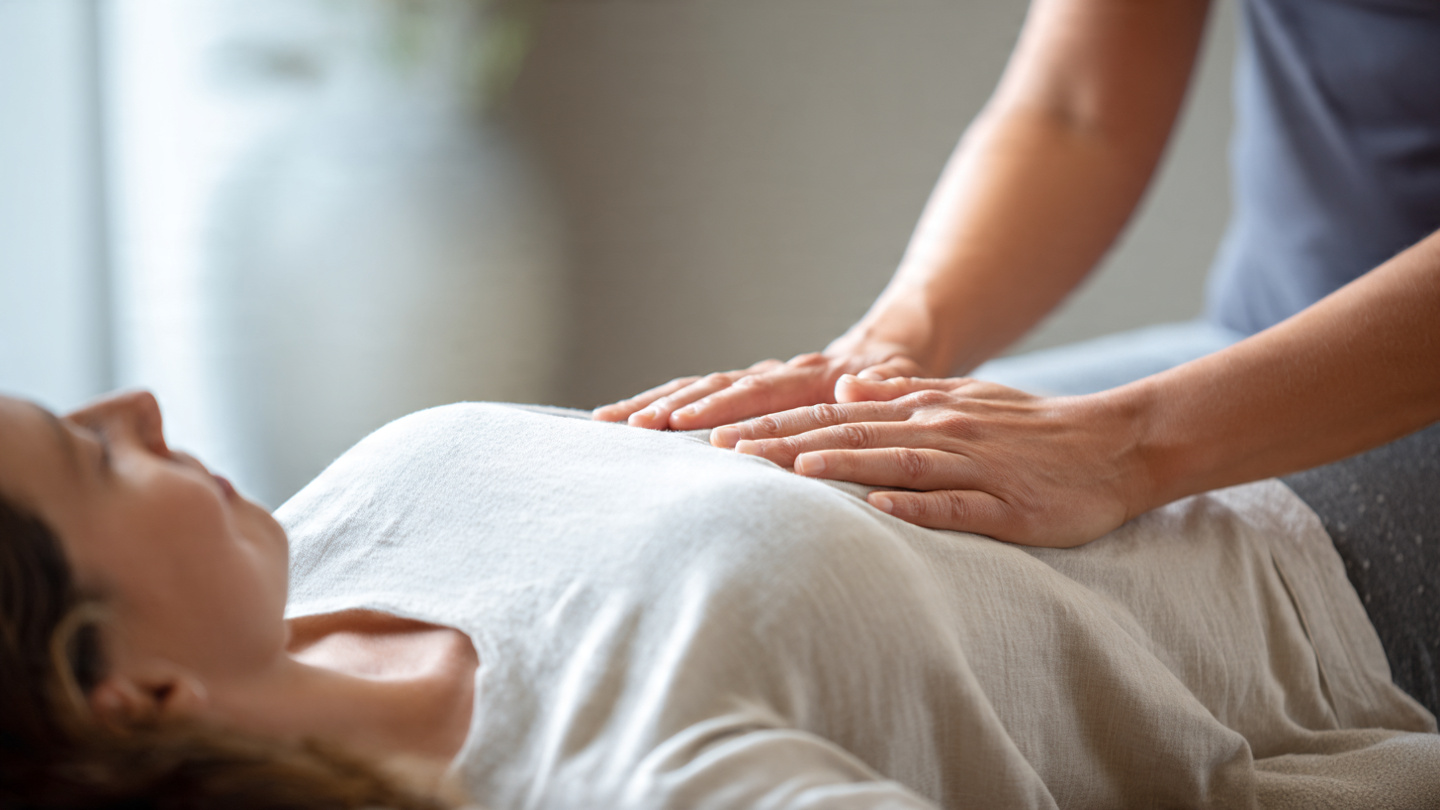
Professional lymph drainage massage to reduce bloating fast in spa setting

Feeling puffy, heavy, or bloated can make even your favorite outfit uncomfortable. The good news? A simple technique called lymph drainage massage to reduce bloating fast may help your body feel lighter and more refreshed. This gentle method supports natural detox flow, improves circulation, and encourages fluid movement. To stay consistent with fitness, explore our complete Fitness & Exercise guide for more workout ideas. Whether you’re dealing with water retention, post-travel swelling, or everyday bloating, this guide shares practical techniques you can try at home. Let’s explore how to support your body naturally and effectively. 1. What Is Lymph Drainage Massage and How It Works Lymph drainage massage to reduce bloating fast is a gentle technique designed to stimulate the lymphatic system. Unlike deep tissue massage, it uses light, rhythmic strokes that encourage fluid movement throughout the body. The lymphatic system helps remove waste and excess fluid, so when it slows down, bloating and swelling can occur. By applying soft pressure in specific directions, this massage supports natural detox pathways. It doesn’t rely on force but rather controlled, intentional movements. When done consistently, it can help reduce water retention, improve circulation, and leave you feeling lighter and more comfortable. 2. Why Bloating Happens in the First Place Bloating often happens due to fluid retention, digestive slowdown, hormonal shifts, or high sodium intake. Long periods of sitting, stress, and lack of movement can also affect circulation and lymph flow. When fluids are not properly drained, you may feel swollen or tight around the stomach or legs. Understanding the root cause helps you address it effectively. Supporting lymphatic circulation through gentle massage encourages natural drainage. Combined with hydration and light movement, this approach can make a noticeable difference in how your body feels daily. 3. Abdominal Lymph Drainage Technique at Home Start by lying comfortably on your back. Using flat fingers, make slow clockwise circular motions around your abdomen. Keep pressure light; imagine gently moving the skin rather than pressing deeply into muscles. Focus on consistency rather than intensity. Perform for five to ten minutes daily, especially in the morning. This simple method encourages lymph movement and supports digestive comfort. Many people notice reduced bloating and a smoother feeling in the stomach area with regular practice. 4. Dry Brushing Before Massage Dry brushing is a popular addition to lymph drainage massage to reduce bloating fast. Using a natural bristle brush, gently sweep upward strokes toward the heart before showering. This motion helps stimulate circulation and prepare the lymphatic system. Always brush on dry skin and avoid sensitive areas. After brushing, follow with a warm shower and then your massage routine. The combination can enhance results by encouraging fluid flow and improving skin texture at the same time. 5. Face Lymph Drainage for Puffiness Facial bloating and puffiness often result from fluid buildup overnight. Using light upward strokes from jawline to ears, then down toward the neck, helps guide lymph fluid toward drainage points. This quick five-minute routine can be done before applying skincare or makeup. It enhances definition, reduces facial puffiness, and gives a refreshed look. Consistency is key for noticeable results. Pair it with daily workout routines for better results. 6. Leg Massage to Reduce Water Retention Swelling in legs and ankles is common after long days of sitting or travel. Apply light upward strokes from ankles toward knees, then toward thighs. Use gentle pressure and steady rhythm. Elevating your legs afterward can support drainage. This technique encourages circulation and reduces that heavy feeling in the lower body. 7. Stay Hydrated for Better Results Hydration plays a major role in how effectively your lymphatic system works. Drinking enough water helps flush waste and prevents fluid retention caused by dehydration. Aim for steady water intake throughout the day. Herbal teas can also support hydration. Massage combined with proper hydration enhances overall effectiveness. 8. Gentle Movement After Massage After performing lymph drainage massage, take a short walk or do gentle stretches. Movement activates muscles that assist lymph circulation. Even ten minutes of light activity supports fluid movement. Combining massage with movement amplifies the benefits and reduces bloating more efficiently. 9. Morning Lymph Activation Routine Starting your day with a short lymph drainage massage to reduce bloating fast can improve circulation before fluid builds up. Begin by gently pressing and releasing the area just above your collarbones. This helps open major lymphatic pathways and prepares the body for better drainage throughout the day. Spend about three to five minutes using slow, rhythmic movements. Keep pressure light and consistent. Doing this in the morning supports fluid balance, especially if you wake up feeling puffy. It also pairs well with hydration and light stretching for better daily results. You can also try low-impact exercises like tai chi walking. 10. Neck and Jaw Drainage for Facial Bloating Facial bloating often connects to lymph congestion around the neck and jaw. Using soft strokes, glide your fingers from behind your ears down toward your collarbone. This direction helps guide excess fluid toward drainage points. Repeat the movement slowly for several minutes. Consistency matters more than pressure. This technique works especially well after long nights, salty meals, or travel. Adding this to your routine supports visible de-puffing and complements abdominal massage techniques. 11. Use Light Oil for Better Glide Using a lightweight body oil makes movements smoother and prevents skin pulling. Choose natural oils like jojoba or almond for gentle glide without heaviness. A small amount is enough to allow fluid, flowing strokes. Proper glide ensures comfort and helps maintain the light pressure required for lymph drainage massage to reduce bloating fast. Too much friction can irritate the skin and reduce effectiveness. Smooth movements encourage relaxation while supporting circulation naturally. Quick Tips for Best Results FAQ 1. How often should I do lymph drainage massage?Daily short sessions are ideal for noticeable improvement. 2. Is it safe for everyone?Consult a professional if you have medical conditions. 3. How fast can bloating reduce?Some feel lighter after one session, but consistency matters.

10 Tai Chi Walking Benefits for Beginners

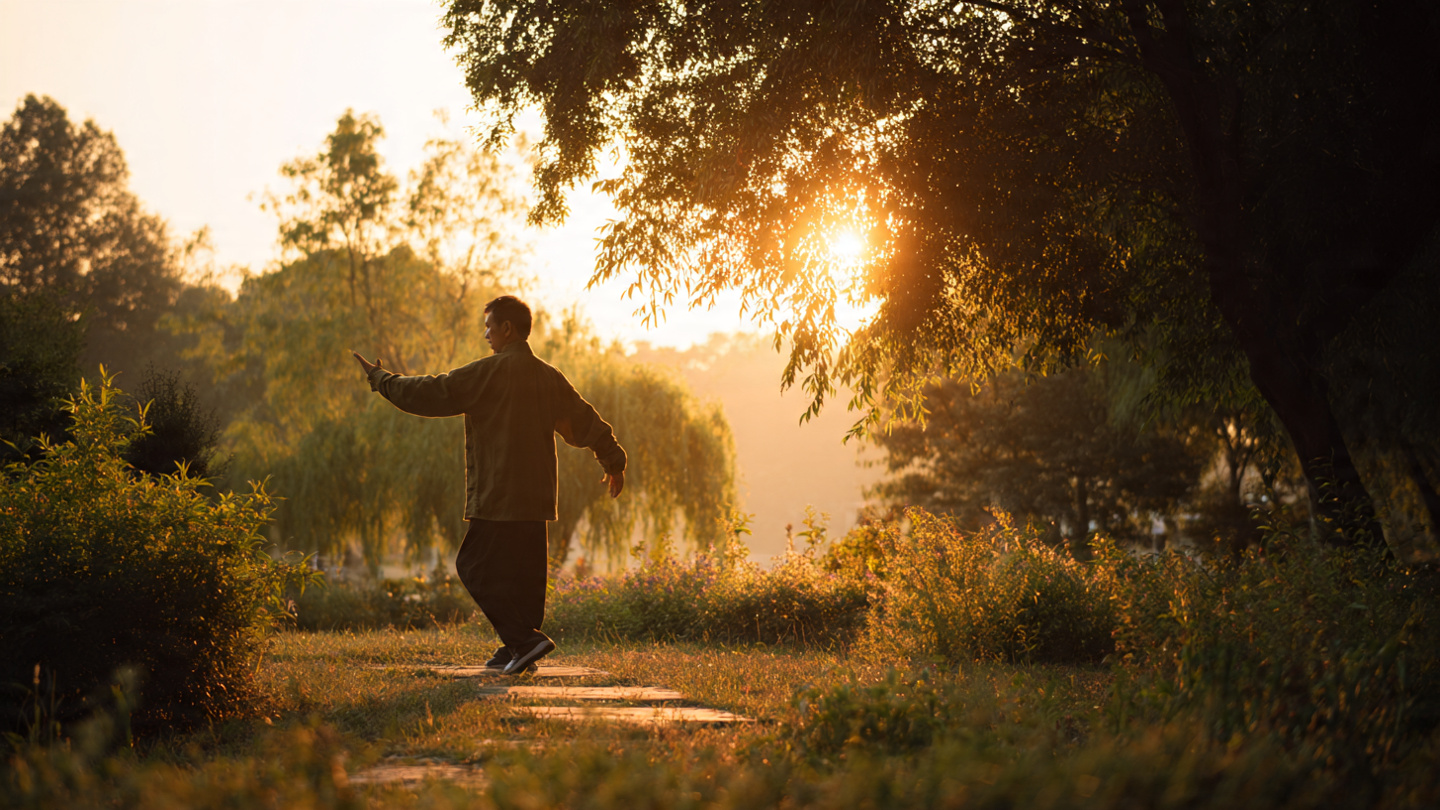
If you’ve been searching for a gentle way to move your body, calm your mind, and improve balance without intense workouts, tai chi walking benefits for beginners might surprise you. This slow, mindful walking practice blends deep breathing, controlled movement, and body awareness. It looks simple, but the effects are powerful. To stay consistent with fitness, explore our complete Fitness & Exercise guide for more workout ideas. Unlike fast-paced fitness routines, tai chi walking focuses on steady steps and smooth weight shifts. That’s why many beginners, older adults, and even athletes use it for mobility and mental clarity. Let’s explore ten meaningful benefits and how you can start right away. 1. Improves Balance and Stability One of the most searched benefits of tai chi walking for beginners is improved balance. The practice trains you to shift your weight slowly from one leg to another while keeping your posture upright. These controlled transitions strengthen stabilizing muscles in your ankles, knees, and hips. Over time, this reduces wobbling and helps you feel steadier when walking on uneven ground or climbing stairs. Balance issues often appear subtly, especially as we age. Tai chi walking encourages mindful movement, which sharpens body awareness. You start noticing how your feet land and how your core supports you. This awareness translates into everyday life. Many beginners report feeling more confident simply moving around their home or neighborhood. 2. Strengthens Leg Muscles Gently Unlike high-impact workouts, tai chi walking builds strength without strain. Each step requires slow, deliberate movement. As you lower into each stance, your thighs and calves engage naturally. This steady activation improves lower body endurance without overwhelming your joints. For beginners, this is ideal. You’re strengthening muscles gradually while protecting your knees. The slight bend in your legs encourages controlled tension, which builds functional strength. Think of it as strength training disguised as slow walking. Over time, daily tasks like standing longer or walking uphill feel easier and more comfortable. 3. Supports Joint Health Many people look up tai chi walking benefits because they want low-impact exercise. This practice keeps joints moving in a fluid, circular way. The gentle motion improves lubrication in the joints, which may reduce stiffness and discomfort. Beginners often appreciate that there’s no jumping or sudden movement. The controlled stepping protects hips, knees, and ankles. If you’ve avoided exercise due to joint sensitivity, tai chi walking offers a safe re-entry point. Consistency matters more than intensity here. Small daily sessions can create noticeable comfort over time. 4. Reduces Stress and Anxiety Tai chi walking blends movement with breathing. Each step pairs naturally with a slow inhale or exhale. This rhythm activates the body’s relaxation response. Beginners often describe feeling calmer after just ten minutes. Stress tends to accumulate silently. By slowing down your pace and focusing on breath, you interrupt racing thoughts. The practice feels meditative without requiring you to sit still. It’s movement therapy in its simplest form. If your days feel rushed, this intentional walking can become a grounding daily ritual. You can combine this with simple daily workout routines at home. 5. Enhances Mind-Body Connection Tai chi walking encourages awareness of each shift, step, and breath. Beginners quickly notice how connected their movements become. Instead of walking automatically, you walk with intention. This heightened awareness improves coordination. You begin to sense how your arms balance your steps and how your spine aligns. That mind-body connection builds confidence and presence. Over time, even simple activities feel more controlled and graceful. 6. Boosts Circulation Naturally Gentle movement stimulates blood flow without elevating heart rate dramatically. Tai chi walking encourages consistent circulation through steady stepping and deep breathing. For beginners, this can help reduce feelings of sluggishness. Improved circulation supports overall wellness, including muscle recovery and energy levels. It’s a subtle but powerful benefit that builds quietly with regular practice. 7. Improves Posture and Alignment Proper tai chi walking emphasizes upright posture. Your spine stays tall, shoulders relaxed, and chin slightly tucked. Over time, this correct alignment becomes second nature. Many beginners realize they’ve been slouching during daily tasks. Practicing mindful alignment strengthens core muscles gently. Better posture reduces back tension and enhances breathing efficiency. 8. Increases Focus and Mental Clarity Tai chi walking requires attention to detail. Each step is intentional. This focus sharpens concentration naturally. Beginners often find that regular sessions improve mental clarity. It becomes easier to stay present during conversations or work tasks. The slow pace trains patience, which carries into other areas of life. Adding recovery techniques like lymph drainage massage improves circulation. 9. Supports Better Sleep Evening sessions can help release accumulated tension. The combination of movement and breathing prepares the body for rest. Many beginners report falling asleep more easily after incorporating tai chi walking into their routine. Reduced stress and relaxed muscles contribute to deeper sleep quality. 10. Encourages Consistent Healthy Habits The simplicity of tai chi walking makes it sustainable. You don’t need equipment or a gym membership. Just a quiet space and a few minutes. When exercise feels approachable, consistency follows. Beginners often stick with tai chi walking because it feels achievable. Over time, that consistency builds long-term wellness habits. Quick Start Tips for Beginners FAQ 1. How long should beginners practice tai chi walking?Start with 10 minutes daily and gradually increase as you feel comfortable. 2. Is tai chi walking safe for seniors?Yes, it’s low-impact and gentle on joints. 3. Do I need special equipment?No equipment is required. 4. Can tai chi walking help with anxiety?Yes, the breathing and slow movement reduce stress. 5. How quickly will I see results?Some benefits like relaxation are immediate, while balance improves with consistency. Conclusion Tai chi walking offers a simple yet powerful path to better balance, reduced stress, and stronger muscles. For beginners, it provides a gentle entry into mindful movement without pressure or strain. Start small, move slowly, and stay consistent. Over time, the benefits build naturally, helping you feel steadier, calmer, and more connected to your body. For more tips