
11 Step Ups Exercises for Glutes and Balance
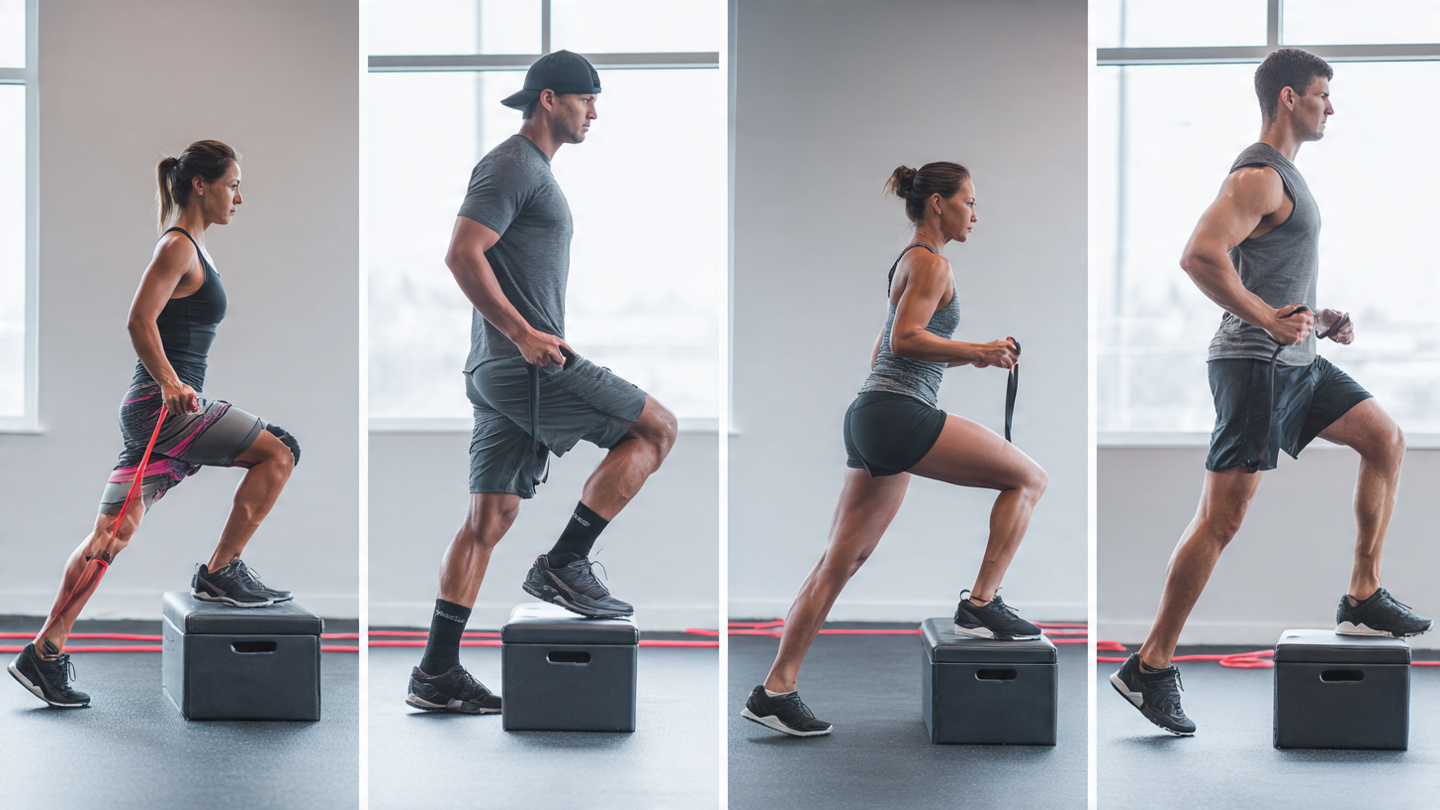
Building strong glutes and improving balance does not always require complicated gym machines. Sometimes the most effective exercises are also the simplest. Step ups exercises for glutes and balance are a perfect example. This functional movement mimics everyday actions like climbing stairs, helping strengthen the lower body while improving stability and coordination. To stay consistent with fitness, explore our complete Fitness & Exercise guide for more workout ideas. Fitness trainers often recommend step ups because they target multiple muscle groups at once, including the glutes, hamstrings, quadriceps, and core. They also help correct muscle imbalances since each leg works independently. The following guide explores 11 step ups exercises for glutes and balance, with simple variations that add variety to workouts while keeping the movement safe, effective, and beginner friendly. 1. Classic Step Ups Classic step ups are the foundation of most step ups exercises for glutes and balance. The movement is simple but highly effective because it engages the glutes, thighs, and core while improving coordination. To perform the exercise, place one foot on a sturdy bench or step and press through the heel to lift your body upward. The opposite leg follows until both feet are on the platform before stepping back down. Maintaining proper posture during the movement is essential for safety and effectiveness. Keep the chest lifted, core engaged, and knees aligned with the toes. Performing slow, controlled repetitions helps activate the glute muscles while also improving balance. This variation works well as a warm-up exercise or as part of a lower body strength routine. 2. Weighted Step Ups Weighted step ups increase resistance and make the exercise more challenging. Adding dumbbells or kettlebells encourages the glutes and legs to work harder, which helps build strength and muscle endurance. This variation is often included in step ups exercises for glutes and balance because it strengthens the lower body while also improving coordination. When performing weighted step ups, start with lighter weights and focus on maintaining proper technique. Step onto the platform using controlled movements and avoid pushing off the back leg too much. Gradually increasing the weight over time helps improve muscle strength while keeping the exercise safe and effective. 3. Lateral Step Ups Lateral step ups introduce side-to-side movement that targets additional muscle groups. Unlike traditional step ups, this variation requires stepping onto the platform from the side. The movement activates the outer glutes and hip muscles while strengthening stabilizers that support balance. Adding lateral step ups to a workout routine helps create well-rounded lower body strength. The sideways motion also challenges coordination because the body must maintain alignment throughout the exercise. Practicing this variation regularly can improve stability and support better movement during daily activities. 4. High Knee Step Ups High knee step ups add a dynamic element to the exercise. After stepping onto the platform, the opposite knee lifts toward the chest before stepping back down. This motion increases core engagement and improves balance while maintaining focus on the glutes. This variation works well for building coordination and stability. The knee lift requires the body to balance on one leg momentarily, which activates the core and hip muscles. Including high knee step ups in a routine can help enhance functional strength and athletic movement. 5. Reverse Step Ups Reverse step ups focus on controlled descent, which strengthens the muscles responsible for stability. Instead of stepping forward onto the platform, this variation involves stepping backward down from it. This motion challenges balance and improves muscle control. Practicing reverse step ups regularly can help develop better joint stability and coordination. Moving slowly during the downward phase allows the glutes and thighs to remain engaged. This controlled movement makes the exercise effective for improving both strength and balance. You can also follow daily workout routines for a healthier lifestyle. 6. Step Ups with Knee Drive Step ups with knee drive add a powerful upward motion to the exercise. After stepping onto the platform, the opposite knee drives upward with energy. This movement activates the glutes and core while improving balance and coordination. This variation is commonly used in athletic training because it mimics natural movements like climbing or running. Performing the exercise slowly at first helps build balance, while increasing speed later adds a cardio element to the workout. 7. Curtsy Step Ups Curtsy step ups combine traditional step ups with a curtsy lunge motion. This variation targets the glutes from a slightly different angle, helping activate smaller stabilizing muscles around the hips. Including curtsy step ups in workouts adds variety while strengthening muscles responsible for balance. The crossing movement also improves coordination and encourages better control during each repetition. 8. Box Step Ups Box step ups involve stepping onto a higher platform such as a plyometric box. The increased height requires greater strength from the glutes and thighs. This variation is often used in strength training routines to build powerful lower body muscles. Because the platform is higher, maintaining control is essential. Slow and steady movements help activate the muscles effectively while preventing unnecessary strain on the knees or hips. 9. Alternating Step Ups Alternating step ups add rhythm and movement to traditional step ups. Instead of completing multiple repetitions with one leg, the exerciser switches legs with every repetition. This style keeps the workout dynamic and helps improve coordination. Alternating step ups also encourage equal strength development between both legs, which is important for overall balance and stability. Creating a stylish home gym setup for workouts improves consistency 10. Resistance Band Step Ups Resistance bands create extra tension that activates the glute muscles more intensely. When placed around the thighs during step ups, the band encourages the hips to stay aligned. This small adjustment makes the exercise more effective for targeting the glutes. Resistance bands also add variety to workouts while remaining portable and easy to use at home. 11. Slow Tempo Step Ups Slow tempo step ups emphasize muscle control and stability. Instead of rushing through repetitions, each step is performed slowly and

10 Tai Chi Walking Benefits for Beginners

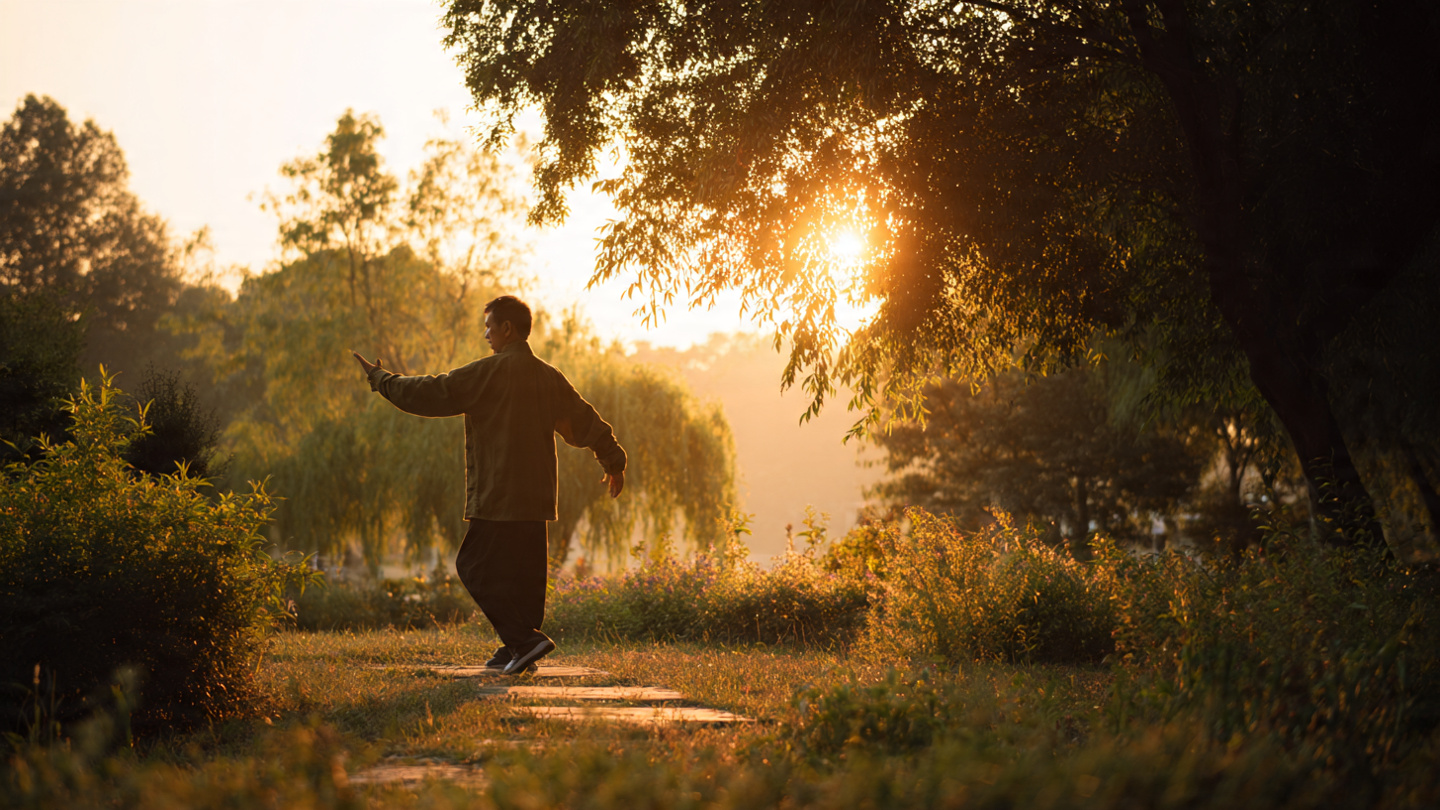
If you’ve been searching for a gentle way to move your body, calm your mind, and improve balance without intense workouts, tai chi walking benefits for beginners might surprise you. This slow, mindful walking practice blends deep breathing, controlled movement, and body awareness. It looks simple, but the effects are powerful. To stay consistent with fitness, explore our complete Fitness & Exercise guide for more workout ideas. Unlike fast-paced fitness routines, tai chi walking focuses on steady steps and smooth weight shifts. That’s why many beginners, older adults, and even athletes use it for mobility and mental clarity. Let’s explore ten meaningful benefits and how you can start right away. 1. Improves Balance and Stability One of the most searched benefits of tai chi walking for beginners is improved balance. The practice trains you to shift your weight slowly from one leg to another while keeping your posture upright. These controlled transitions strengthen stabilizing muscles in your ankles, knees, and hips. Over time, this reduces wobbling and helps you feel steadier when walking on uneven ground or climbing stairs. Balance issues often appear subtly, especially as we age. Tai chi walking encourages mindful movement, which sharpens body awareness. You start noticing how your feet land and how your core supports you. This awareness translates into everyday life. Many beginners report feeling more confident simply moving around their home or neighborhood. 2. Strengthens Leg Muscles Gently Unlike high-impact workouts, tai chi walking builds strength without strain. Each step requires slow, deliberate movement. As you lower into each stance, your thighs and calves engage naturally. This steady activation improves lower body endurance without overwhelming your joints. For beginners, this is ideal. You’re strengthening muscles gradually while protecting your knees. The slight bend in your legs encourages controlled tension, which builds functional strength. Think of it as strength training disguised as slow walking. Over time, daily tasks like standing longer or walking uphill feel easier and more comfortable. 3. Supports Joint Health Many people look up tai chi walking benefits because they want low-impact exercise. This practice keeps joints moving in a fluid, circular way. The gentle motion improves lubrication in the joints, which may reduce stiffness and discomfort. Beginners often appreciate that there’s no jumping or sudden movement. The controlled stepping protects hips, knees, and ankles. If you’ve avoided exercise due to joint sensitivity, tai chi walking offers a safe re-entry point. Consistency matters more than intensity here. Small daily sessions can create noticeable comfort over time. 4. Reduces Stress and Anxiety Tai chi walking blends movement with breathing. Each step pairs naturally with a slow inhale or exhale. This rhythm activates the body’s relaxation response. Beginners often describe feeling calmer after just ten minutes. Stress tends to accumulate silently. By slowing down your pace and focusing on breath, you interrupt racing thoughts. The practice feels meditative without requiring you to sit still. It’s movement therapy in its simplest form. If your days feel rushed, this intentional walking can become a grounding daily ritual. You can combine this with simple daily workout routines at home. 5. Enhances Mind-Body Connection Tai chi walking encourages awareness of each shift, step, and breath. Beginners quickly notice how connected their movements become. Instead of walking automatically, you walk with intention. This heightened awareness improves coordination. You begin to sense how your arms balance your steps and how your spine aligns. That mind-body connection builds confidence and presence. Over time, even simple activities feel more controlled and graceful. 6. Boosts Circulation Naturally Gentle movement stimulates blood flow without elevating heart rate dramatically. Tai chi walking encourages consistent circulation through steady stepping and deep breathing. For beginners, this can help reduce feelings of sluggishness. Improved circulation supports overall wellness, including muscle recovery and energy levels. It’s a subtle but powerful benefit that builds quietly with regular practice. 7. Improves Posture and Alignment Proper tai chi walking emphasizes upright posture. Your spine stays tall, shoulders relaxed, and chin slightly tucked. Over time, this correct alignment becomes second nature. Many beginners realize they’ve been slouching during daily tasks. Practicing mindful alignment strengthens core muscles gently. Better posture reduces back tension and enhances breathing efficiency. 8. Increases Focus and Mental Clarity Tai chi walking requires attention to detail. Each step is intentional. This focus sharpens concentration naturally. Beginners often find that regular sessions improve mental clarity. It becomes easier to stay present during conversations or work tasks. The slow pace trains patience, which carries into other areas of life. Adding recovery techniques like lymph drainage massage improves circulation. 9. Supports Better Sleep Evening sessions can help release accumulated tension. The combination of movement and breathing prepares the body for rest. Many beginners report falling asleep more easily after incorporating tai chi walking into their routine. Reduced stress and relaxed muscles contribute to deeper sleep quality. 10. Encourages Consistent Healthy Habits The simplicity of tai chi walking makes it sustainable. You don’t need equipment or a gym membership. Just a quiet space and a few minutes. When exercise feels approachable, consistency follows. Beginners often stick with tai chi walking because it feels achievable. Over time, that consistency builds long-term wellness habits. Quick Start Tips for Beginners FAQ 1. How long should beginners practice tai chi walking?Start with 10 minutes daily and gradually increase as you feel comfortable. 2. Is tai chi walking safe for seniors?Yes, it’s low-impact and gentle on joints. 3. Do I need special equipment?No equipment is required. 4. Can tai chi walking help with anxiety?Yes, the breathing and slow movement reduce stress. 5. How quickly will I see results?Some benefits like relaxation are immediate, while balance improves with consistency. Conclusion Tai chi walking offers a simple yet powerful path to better balance, reduced stress, and stronger muscles. For beginners, it provides a gentle entry into mindful movement without pressure or strain. Start small, move slowly, and stay consistent. Over time, the benefits build naturally, helping you feel steadier, calmer, and more connected to your body. For more tips