
Modern Living Room Design: Creating a Stylish, Functional, and Timeless Space

Modern living room design blends clean aesthetics with practical comfort, creating a space that feels refined yet welcoming. This comprehensive guide explores how thoughtful layouts, balanced color palettes, contemporary furniture, layered lighting, and curated décor elements come together to define a truly modern living room. Whether designing a compact apartment lounge or a spacious family living area, this article provides clear direction and inspiration to help you create a living room that reflects modern elegance while supporting everyday living. The living room has evolved from a purely social area into the visual and functional heart of the modern home. In contemporary interiors, it must support relaxation, entertainment, work-from-home flexibility, and aesthetic expression—all without appearing cluttered or overstated. Modern living room design addresses these needs by focusing on clarity, balance, and purposeful design decisions. If you’re looking for more ideas, explore our complete guide on Bedroom & Living Ideas for stylish and cozy inspiration. At its core, a modern living room is defined by simplicity that feels intentional rather than sparse. Every element, from furniture proportions to lighting placement, contributes to a cohesive environment. The emphasis is not on excess decoration but on carefully selected features that add value, comfort, and visual harmony. Understanding the Modern Design Philosophy Modern design is rooted in the principle of “less, but better.” This philosophy prioritizes form and function equally. Instead of filling the living room with decorative accessories, modern design encourages open space, clean lines, and high-quality materials. The result is an interior that feels calm, organized, and effortlessly stylish. Open layouts are common in modern homes, allowing the living room to flow seamlessly into dining or kitchen areas. This spatial openness enhances natural light and creates a sense of continuity throughout the home. Even in smaller living rooms, modern design uses clever furniture placement and visual balance to maintain an open feel. Layout and Spatial Planning A successful modern living room begins with a well-considered layout. Furniture placement should promote movement, conversation, and functionality. Rather than pushing everything against walls, modern layouts often float furniture in the center of the room to define zones and create intimacy. The seating arrangement typically centers around a focal point such as a feature wall, large window, or minimalist entertainment unit. Traffic flow should remain unobstructed, ensuring the room feels breathable and easy to navigate. Proportion is essential; oversized furniture can overwhelm a space, while undersized pieces may feel disconnected. Color Palette and Visual Balance Modern living rooms often rely on neutral color palettes that provide a timeless foundation. Shades of white, beige, gray, taupe, and soft earth tones dominate contemporary interiors. These hues reflect light, enhance spaciousness, and create a calm backdrop for daily life. To prevent the space from feeling flat, modern design introduces contrast through texture and accent colors. A charcoal sofa, muted olive cushions, or a warm wood coffee table can add depth without overpowering the room. The key is restraint—accent colors should complement the base palette rather than compete with it. Furniture Selection and Styling Furniture in a modern living room is defined by clean silhouettes and thoughtful craftsmanship. Sofas typically feature low profiles, straight or gently curved lines, and neutral upholstery. Sectional sofas are popular for their comfort and adaptability, particularly in open-plan homes. Coffee tables, side tables, and media units often combine materials such as wood, metal, glass, or stone. These combinations introduce visual interest while maintaining a streamlined appearance. Storage furniture is discreet and integrated, helping to keep the living room uncluttered. Comfort remains a priority. Modern design does not sacrifice usability for aesthetics; instead, it refines comfort through ergonomic shapes and high-quality materials. Lighting as a Design Element Lighting plays a critical role in modern living room design. Rather than relying on a single overhead fixture, modern interiors use layered lighting to create mood and functionality. Ambient lighting provides overall illumination, while task lighting supports activities such as reading or working. Accent lighting highlights architectural features, artwork, or textured walls, adding depth and visual drama. Recessed ceiling lights, slim floor lamps, and sculptural pendant fixtures are commonly used in modern spaces. Warm lighting tones are preferred to maintain a welcoming atmosphere, even in minimalist interiors. Materials and Textures Texture is essential in modern living rooms, especially when working with neutral color schemes. Smooth surfaces such as polished stone or glass are balanced with softer elements like fabric upholstery, area rugs, and curtains. Natural materials play a significant role in contemporary interiors. Wood finishes bring warmth, while stone or concrete elements introduce a subtle industrial edge. The interplay between soft and hard textures ensures the living room feels inviting rather than sterile. You can also explore Luxury Living Room Design Ideas 2026 | Classy, Modern & Elegant Styles. Wall Treatments and Feature Elements Walls in modern living rooms are often kept simple, but this does not mean they lack character. A feature wall can be created using textured panels, subtle wallpaper, wood slats, or stone cladding. These treatments add interest without overwhelming the space. Artwork is used selectively. Large-scale pieces or carefully arranged gallery walls complement modern interiors when framed simply and spaced thoughtfully. The goal is visual impact without clutter. Décor and Accessories Modern décor focuses on quality over quantity. Accessories are chosen for their form, texture, or cultural value rather than decorative excess. Sculptural vases, curated books, and understated planters enhance the living room while maintaining a clean aesthetic. Indoor plants are particularly effective in modern living rooms. They soften architectural lines, introduce natural color, and improve the overall ambiance. The selection of planters should align with the room’s design language, favoring simple shapes and neutral finishes. Technology Integration Technology is seamlessly integrated into modern living rooms. Televisions are mounted flush to walls or incorporated into minimalist media units. Smart lighting, automated blinds, and discreet sound systems enhance convenience without disrupting visual harmony. Cable management and concealed storage ensure technology supports the lifestyle without becoming a visual distraction. Personalization Within Modern Design While modern living rooms follow certain
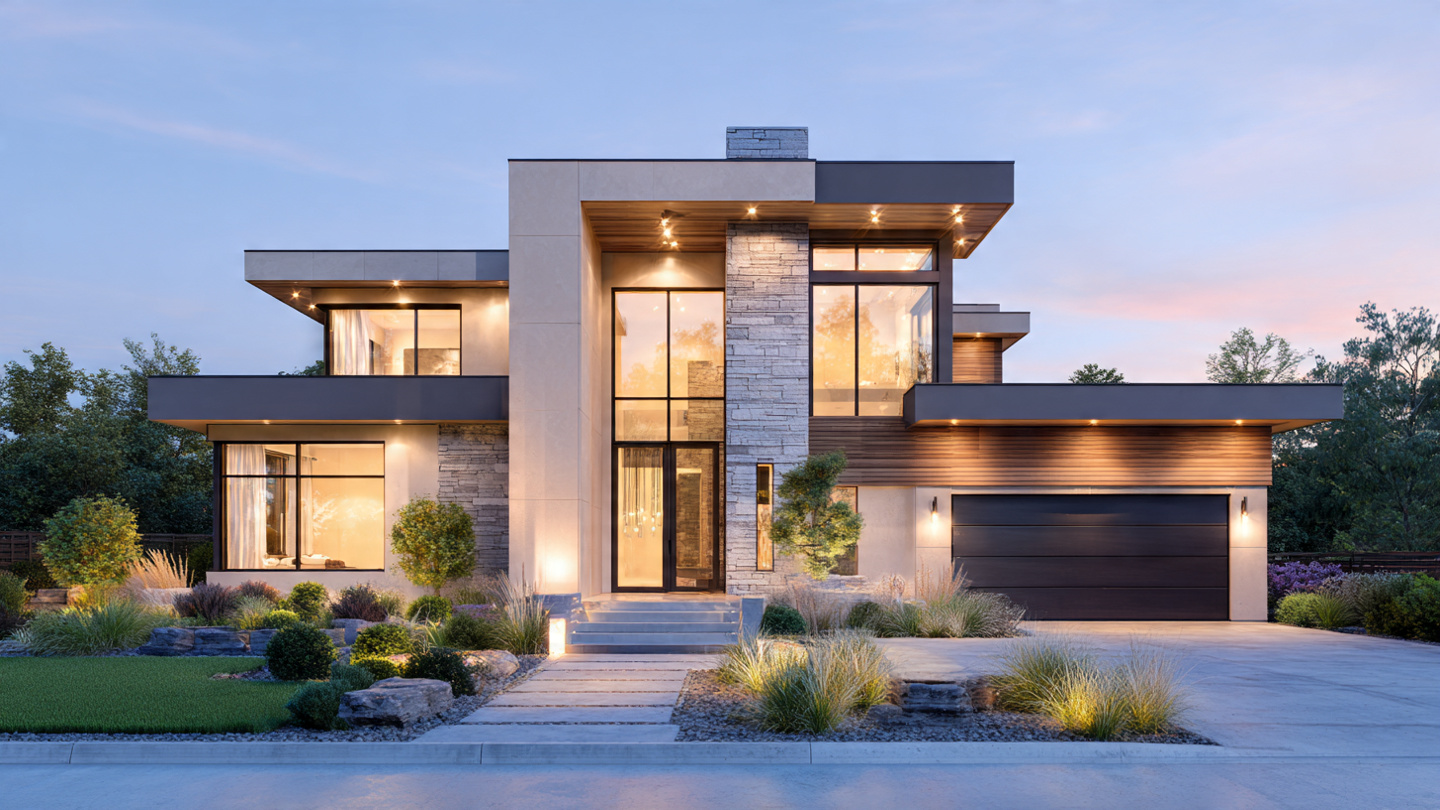

Luxury Home Front Design Ideas That Redefine Modern Elegance

Luxury home front design is more than an exterior façade—it is the first impression of architectural sophistication, lifestyle, and refined taste. A thoughtfully designed luxury front elevation blends premium materials, balanced proportions, elegant lighting, and landscaping to create a timeless visual statement. This comprehensive guide explores modern luxury home front design concepts, materials, architectural styles, and décor elements that enhance curb appeal while reflecting exclusivity and comfort. Whether designing a villa, duplex, or contemporary urban residence, these ideas will inspire a striking and enduring exterior presence. If you’re looking for more ideas, explore our complete guide on Interior & Exterior Design. Luxury home front design plays a defining role in residential architecture. It represents not only the aesthetic identity of a home but also the lifestyle and aspirations of its residents. In modern home décor, the front elevation is treated as a sculptural composition—carefully curated to balance form, texture, light, and proportion. Unlike standard exterior designs, luxury home fronts emphasize craftsmanship, premium finishes, and architectural storytelling that remains elegant over time. A well-designed luxury façade begins with architectural clarity. Clean lines, symmetrical or deliberately asymmetrical forms, and layered volumes create visual depth. Contemporary luxury homes often combine horizontal and vertical planes to avoid monotony, giving the structure a dynamic yet composed appearance. These forms are enhanced by thoughtful setbacks, cantilevered balconies, framed entrances, and double-height features that elevate the perceived scale of the property. You can also explore Luxury Front Home Style: Elegant Exterior Design Ideas. Material selection is central to luxury home front design. Natural stone, textured concrete, premium marble, wooden cladding, metal accents, and high-quality glass are frequently used to create a rich visual palette. Stone surfaces bring permanence and grandeur, while wood introduces warmth and balance. Glass panels and large windows allow transparency and light, connecting the interior ambiance with the exterior environment. When these materials are layered intentionally, they create a façade that feels both luxurious and welcoming. Color palettes for luxury home fronts are typically restrained and sophisticated. Neutral tones such as ivory, beige, warm grey, taupe, and charcoal dominate modern luxury exteriors. These shades provide a timeless backdrop that highlights architectural detailing and material textures. Accent colors are introduced subtly—through wooden panels, bronze metal trims, or statement doors—ensuring the design remains elegant rather than overwhelming. The entrance is the emotional focal point of any luxury home front. A grand entryway with a statement door immediately sets the tone for the entire residence. Oversized wooden doors with sleek metal handles, pivot doors, or custom-designed panels enhance exclusivity. Framing the entrance with stone cladding, recessed lighting, or vertical design elements further amplifies its presence. A well-lit, sheltered entry not only adds drama but also improves functionality and security. Lighting design is a hallmark of luxury exteriors. Architectural lighting highlights textures, contours, and structural lines after sunset. Recessed lights, wall washers, uplights, and concealed LED strips are strategically placed to create depth and visual rhythm. Warm lighting tones are preferred, as they enhance the richness of materials and create an inviting glow. In luxury home front design, lighting is never an afterthought—it is integrated into the architecture from the planning stage. Landscaping significantly enhances the appeal of a luxury home front. A carefully designed landscape complements the architecture rather than competing with it. Minimalist gardens with manicured lawns, sculptural plants, and stone pathways create a refined foreground. Vertical gardens, water features, and decorative planters add softness and movement to structured façades. In urban luxury homes, even compact front setbacks are transformed into elegant green zones through intelligent landscaping. Boundary walls and gates play a vital role in defining luxury frontage. Modern luxury homes favor sleek boundary walls that echo the main façade’s materials and colors. Laser-cut metal panels, wooden slats, textured concrete, and stone-clad walls offer privacy while maintaining visual continuity. Automated gates with minimalist designs enhance convenience and security while reinforcing the home’s premium character. Balconies and terraces contribute significantly to luxury home front aesthetics. Glass railings, metal balustrades, and planter-integrated edges maintain openness and elegance. These elements break the mass of the structure and provide visual interest. In multi-story luxury homes, staggered balconies create layered elevations that feel dynamic and contemporary. Sustainability has become an integral aspect of modern luxury home front design. Energy-efficient lighting, solar panels integrated into roofing, eco-friendly materials, and climate-responsive façades reflect responsible luxury. Green design elements not only reduce environmental impact but also add long-term value to the property. Luxury today is defined as much by sustainability as by visual appeal. Architectural styles influence luxury front design significantly. Contemporary luxury homes emphasize minimalism, clean geometry, and material honesty. Modern classic designs blend symmetry, columns, and refined detailing for a timeless look. Mediterranean luxury homes feature arches, textured finishes, and warm tones, while tropical luxury fronts focus on open façades, wooden elements, and lush greenery. Selecting a style that aligns with climate and lifestyle ensures both beauty and practicality. Technology integration further elevates luxury exteriors. Smart lighting systems, automated gates, surveillance cameras, and motion sensors are seamlessly incorporated into the design. These features enhance security and convenience without disrupting the aesthetic harmony of the façade. Ultimately, luxury home front design is about balance. It harmonizes architecture, décor, landscaping, and lighting into a cohesive visual statement. A successful luxury façade feels impressive yet understated, bold yet refined. It communicates quality, permanence, and thoughtful design—qualities that never go out of style. A well-executed luxury home front does more than enhance curb appeal; it establishes a strong architectural identity and creates a lasting emotional connection. Whether viewed during the day or illuminated at night, a luxury front elevation should evoke admiration, comfort, and pride. By investing in high-quality materials, precise detailing, and cohesive design principles, homeowners can achieve an exterior that stands as a true symbol of modern luxury living. For more home inspiration, visit our homepage and For more tips like this, visit our Home Decor Hub and explore all our home decor guides.