
11 High Fiber Foods List for Easy Healthy Meals
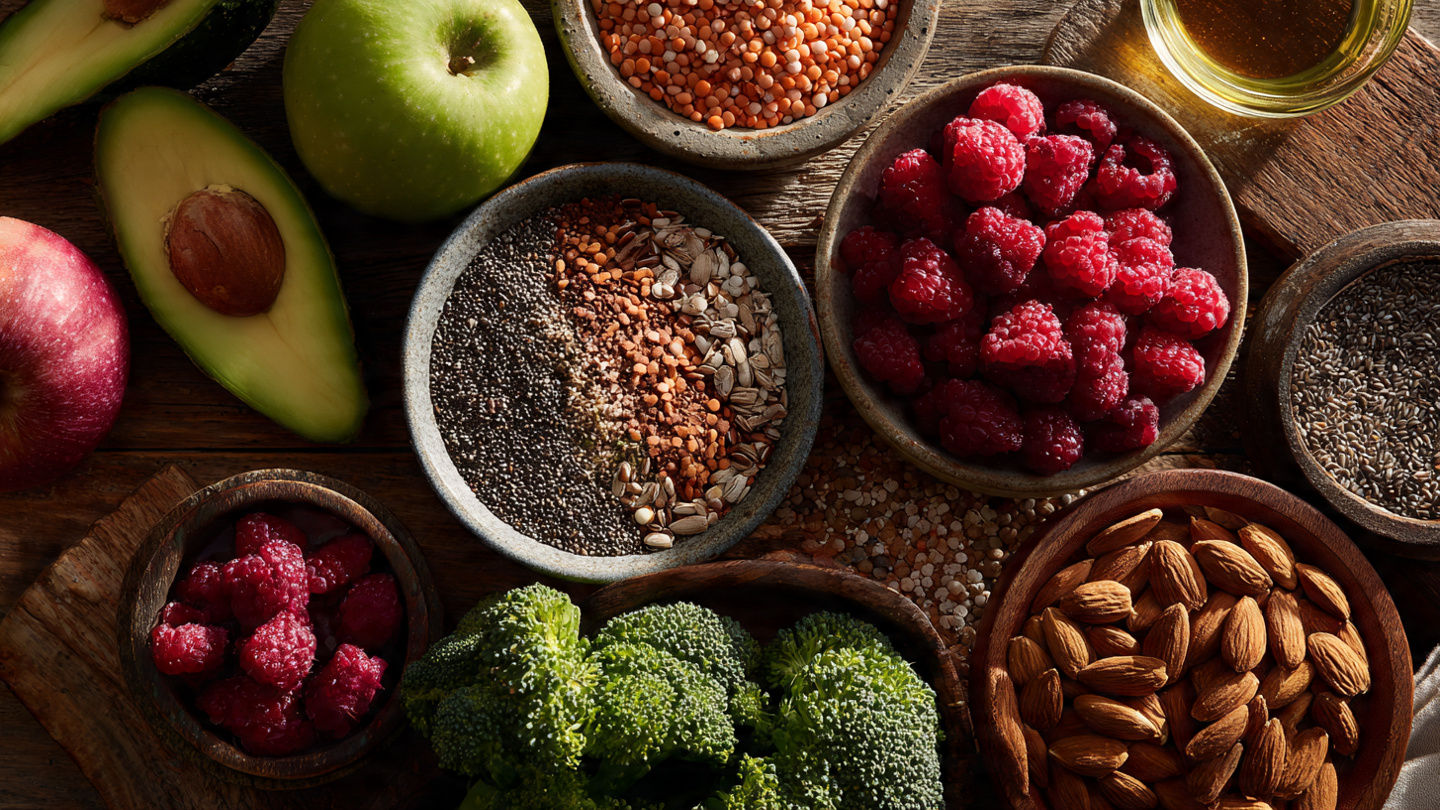
high fiber foods list healthy ingredients flat lay

Eating well doesn’t have to be complicated. A high fiber foods list can make everyday meals healthier, more filling, and better for digestion. Fiber helps support gut health, keeps you satisfied longer, and can even help maintain balanced energy levels during busy days. Many everyday foods already contain natural fiber you just need to know which ones to add to your plate. If you’re looking to improve your overall health, explore our complete Blood Sugar & Hormones guide for more helpful tips. This guide highlights 11 high fiber foods that are simple to include in regular meals. Each option works well in breakfast bowls, lunches, snacks, or dinner recipes. Whether you want to improve digestion, build balanced meals, or simply add more nutrients to your diet, these fiber-rich foods provide practical and tasty solutions. 1. Oats Oats are one of the most accessible options on any high fiber foods list. A single serving of oats contains a good amount of soluble fiber known as beta-glucan. This type of fiber supports healthy digestion and helps maintain steady energy levels throughout the morning. Because oats absorb liquid easily, they create a creamy and filling texture that works well for breakfast bowls or quick meal preparations. Oats are also extremely versatile. You can cook them with milk or plant-based alternatives and add toppings such as fruit, nuts, or seeds. Overnight oats have become especially popular because they require minimal effort and can be prepared the night before. With their mild flavor and satisfying texture, oats are a reliable staple for easy, fiber-rich meals. 2. Lentils Lentils are widely known as one of the most nutritious ingredients in a high fiber foods list. They provide both dietary fiber and plant-based protein, making them an excellent option for balanced meals. Lentils cook relatively quickly compared to many other legumes, which makes them convenient for soups, salads, or grain bowls. Their slightly earthy flavor pairs well with many spices and vegetables. Red lentils work well in creamy soups or curries, while green or brown lentils hold their shape in salads. Including lentils in weekly meal planning can help increase fiber intake while also adding variety to everyday recipes. 3. Chia Seeds Chia seeds are small but powerful when it comes to fiber. Just a small spoonful provides a surprising amount of dietary fiber, making them a valuable addition to a high fiber foods list. When mixed with liquid, chia seeds expand and create a gel-like texture that works beautifully in puddings or smoothies. Another benefit is their convenience. You can sprinkle chia seeds over yogurt, oatmeal, or salads without altering the flavor too much. Many people prepare chia pudding by soaking the seeds overnight in milk with fruit toppings. This quick preparation makes chia seeds an easy choice for simple yet nourishing meals. 4. Avocados Avocados are often celebrated for healthy fats, but they also contain a good amount of fiber. This makes them an excellent addition to a balanced high fiber foods list. Their creamy texture works well in both savory and fresh dishes, adding richness without heavy ingredients. One of the simplest ways to enjoy avocados is by spreading them on whole grain toast and adding toppings such as tomatoes or seeds. They can also be blended into smoothies, sliced into salads, or added to grain bowls. Their mild flavor allows them to complement many different meal styles. Pair these meals with healthy snacks for weight loss and energy for better results. 5. Black Beans Black beans are a staple ingredient in many cuisines and a key part of any high fiber foods list. They are rich in fiber and plant protein, making them especially satisfying in meals. Their hearty texture works well in soups, tacos, burrito bowls, and salads. Adding black beans to everyday meals is simple. You can mix them into rice dishes, vegetable bowls, or homemade wraps. Their mild flavor absorbs spices well, allowing them to fit into many types of recipes while increasing the nutritional value of the dish. 6. Sweet Potatoes Sweet potatoes provide both fiber and natural sweetness, making them a satisfying addition to a high fiber foods list. They are also rich in vitamins and minerals, which adds to their nutritional appeal. Roasting sweet potatoes brings out their natural flavor while keeping the texture soft and comforting. They can be used in many ways beyond simple side dishes. Roasted cubes work well in salads or grain bowls, while mashed sweet potatoes can accompany protein-rich meals. Their versatility makes them easy to incorporate into weekly meal planning. 7. Quinoa Quinoa is often considered a super grain due to its impressive nutritional profile. It contains fiber along with plant-based protein, which makes it an excellent option in a high fiber foods list. Quinoa cooks quickly and has a light, fluffy texture that pairs well with vegetables and herbs. This grain works beautifully as a base for salads or warm bowls. Many people combine quinoa with roasted vegetables, beans, or leafy greens to create balanced meals. Because it absorbs flavor well, it adapts easily to different cuisines and seasoning styles. 8. Raspberries Raspberries are one of the highest fiber fruits you can include in a high fiber foods list. Their vibrant flavor and natural sweetness make them an easy addition to breakfast or snacks. They can be enjoyed fresh, blended into smoothies, or added to yogurt bowls. Besides fiber, raspberries also provide antioxidants that support overall wellness. Their bright color and refreshing taste make them appealing in desserts or fruit salads. Even a small portion adds both flavor and nutrition to everyday meals. 9. Broccoli Broccoli is a nutritious vegetable often recommended in a balanced high fiber foods list. Its fiber content supports digestion while the crunchy texture makes it satisfying in many recipes. Broccoli can be steamed, roasted, or added to stir-fries. Cooking broccoli with simple seasonings such as garlic or olive oil enhances its flavor without overpowering it. It pairs well with grains, proteins, or pasta dishes,

11 High Fiber Foods for Weight Loss Goals

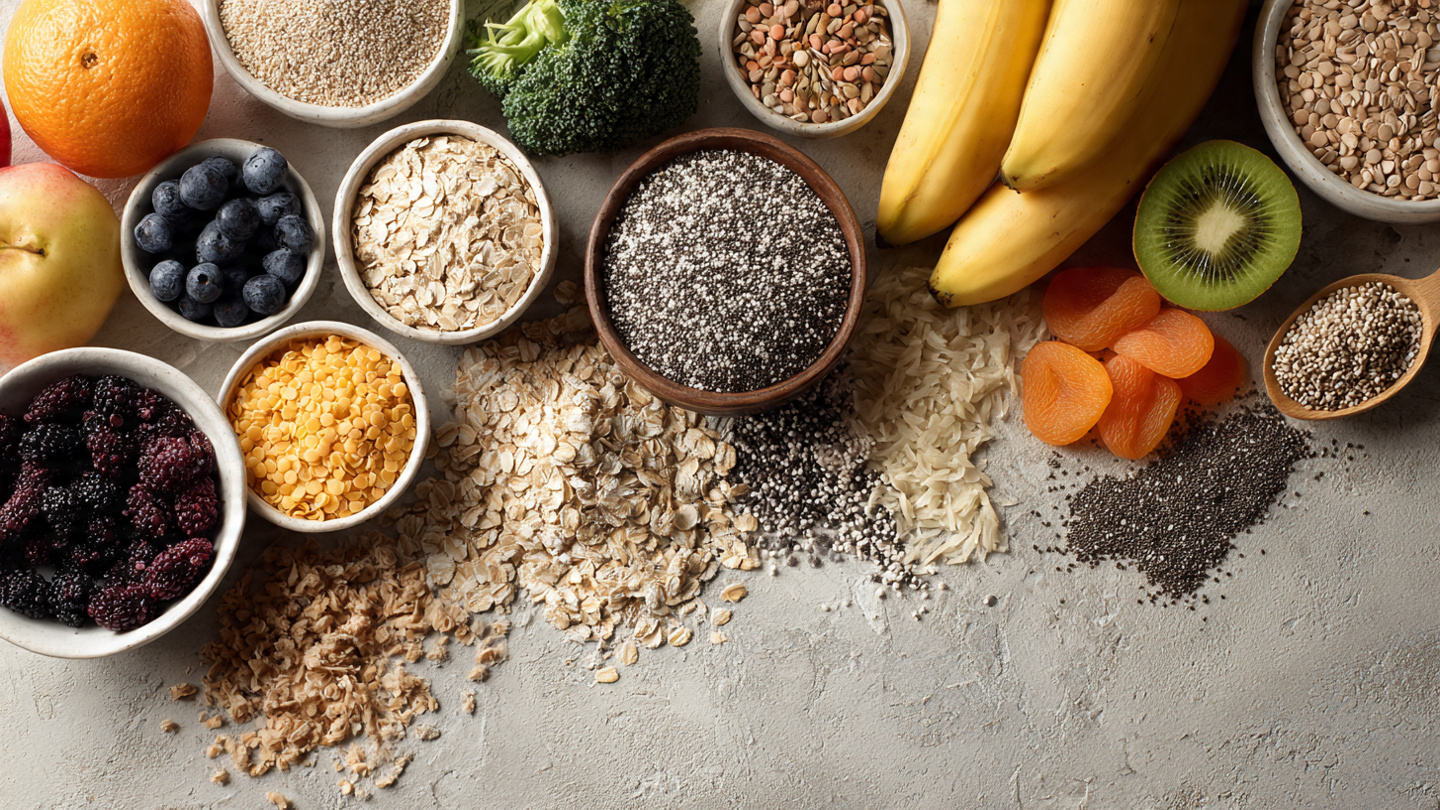
Assorted high fiber foods supporting weight loss and healthy digestion.

Trying to lose weight without feeling hungry all the time? That’s where high fiber foods quietly become your best ally. Fiber helps you feel full longer, supports digestion, balances blood sugar, and reduces cravings. Instead of cutting everything out, you can simply add smarter options to your meals. Small changes often create the biggest results. This guide walks you through 11 powerful high fiber foods for weight loss goals, each explained in simple, practical terms. You’ll also find image prompts, meal tips, and smart ways to include these foods in your routine without overthinking it. 1. Chia Seeds Chia seeds may be tiny, but they are loaded with fiber and nutrition. Just two tablespoons provide nearly 10 grams of fiber, making them one of the most efficient high fiber foods for weight loss goals. When soaked in liquid, chia seeds expand and form a gel-like texture. This helps you feel full longer and reduces unnecessary snacking between meals. Adding chia seeds is simple. Stir them into yogurt, oatmeal, or smoothies. You can also prepare overnight chia pudding for a grab-and-go breakfast. Their mild taste blends easily with sweet or savory meals. Because they slow digestion, they help stabilize blood sugar and support healthy weight management in a natural, sustainable way. 2. Oats Oats are a classic breakfast choice for a reason. They contain beta-glucan, a soluble fiber known to improve digestion and increase satiety. Eating oats in the morning helps control appetite throughout the day, making them one of the most reliable high fiber foods for weight loss goals. For better results, choose steel-cut or rolled oats instead of instant varieties. Add protein-rich toppings like Greek yogurt or nuts to create a balanced meal. Oats also support heart health and steady energy levels. A warm bowl can prevent mid-morning cravings and make sticking to your plan feel easier and more satisfying. 3. Lentils Lentils are rich in both fiber and plant-based protein, making them powerful for weight management. One cup provides around 15 grams of fiber, helping you feel full while supporting digestive health. Their slow-digesting carbohydrates prevent sharp spikes in blood sugar. They are also budget-friendly and versatile. Add lentils to soups, salads, or grain bowls. Replace part of your rice or pasta with lentils for a fiber boost. Because they are satisfying and nutrient-dense, lentils reduce the urge to overeat later in the day. That’s why they consistently appear in healthy weight loss meal plans. 4. Avocados Avocados provide healthy fats and around 10 grams of fiber per cup. This combination makes them uniquely satisfying. The fiber slows digestion while the fats promote fullness, helping reduce mindless eating. Spread avocado on whole-grain toast, add slices to salads, or blend into smoothies for creaminess. Although calorie-dense, moderate portions can actually support weight loss goals because they prevent overeating. The key is balance. Pair avocado with lean protein and vegetables to create a filling, nutrient-rich meal. Adding healthy snacks that keep you full longer can prevent overeating. 5. Raspberries Raspberries are one of the highest fiber fruits available, offering about 8 grams per cup. They are naturally sweet, low in calories, and rich in antioxidants. This makes them ideal for satisfying sugar cravings without derailing progress. Add raspberries to oatmeal, yogurt, or salads. You can also enjoy them alone as a refreshing snack. Their fiber content supports digestion and helps maintain fullness between meals. Choosing fiber-rich fruit like raspberries over processed sweets makes a noticeable difference over time. 6. Black Beans Black beans are packed with fiber and protein, making them highly filling. One cup provides around 15 grams of fiber, supporting digestive health and appetite control. They digest slowly, helping stabilize blood sugar levels. Incorporate black beans into tacos, salads, soups, or grain bowls. They also work well as a meat substitute in certain dishes. Their affordability and versatility make them practical for weekly meal prep. When aiming for sustainable weight loss, fiber-rich legumes are incredibly valuable. 7. Broccoli Broccoli is low in calories but surprisingly high in fiber. It also contains vitamins and antioxidants that support overall health. Adding more vegetables like broccoli increases meal volume without adding excessive calories. Roast broccoli with olive oil and garlic for added flavor. You can also mix it into stir-fries or pasta alternatives. Its crunch and texture make meals more satisfying. Fiber from vegetables plays a key role in healthy digestion and long-term weight management. 8. Pears Pears are another fruit rich in fiber, especially when eaten with the skin. One medium pear offers about 5 to 6 grams of fiber. This helps slow digestion and reduce hunger. Enjoy pears as a snack, slice them into salads, or pair with cottage cheese. Their natural sweetness satisfies dessert cravings in a healthier way. Consistently choosing whole fruits over processed snacks supports steady progress toward weight loss goals. 9. Quinoa Quinoa is a whole grain containing fiber and complete protein. This combination keeps you fuller longer than refined grains. It supports stable energy levels and balanced meals. Use quinoa instead of white rice or pasta. Combine it with lean protein and vegetables for a satisfying bowl. Its mild flavor adapts easily to various cuisines. Including whole grains is a practical step in building a sustainable weight loss routine. You can explore a complete high-fiber foods list for easy meals for more options. 10. Apples Apples are convenient, affordable, and rich in fiber. Eating them with the skin maximizes benefits. The fiber slows digestion and promotes fullness. Have an apple before meals to reduce overall calorie intake. Pair it with peanut butter for added protein. This simple habit can help control portion sizes naturally. Apples remain one of the easiest high fiber foods to include daily. 11. Sweet Potatoes Sweet potatoes offer fiber, complex carbohydrates, and essential nutrients. Their natural sweetness makes them satisfying without added sugar. The fiber content supports digestive balance and fullness. Roast sweet potatoes as a side dish or mash them as a healthier alternative to white potatoes. Pair