Lymph Drainage Massage: Reduce Bloating Fast and Feel Lighter Today
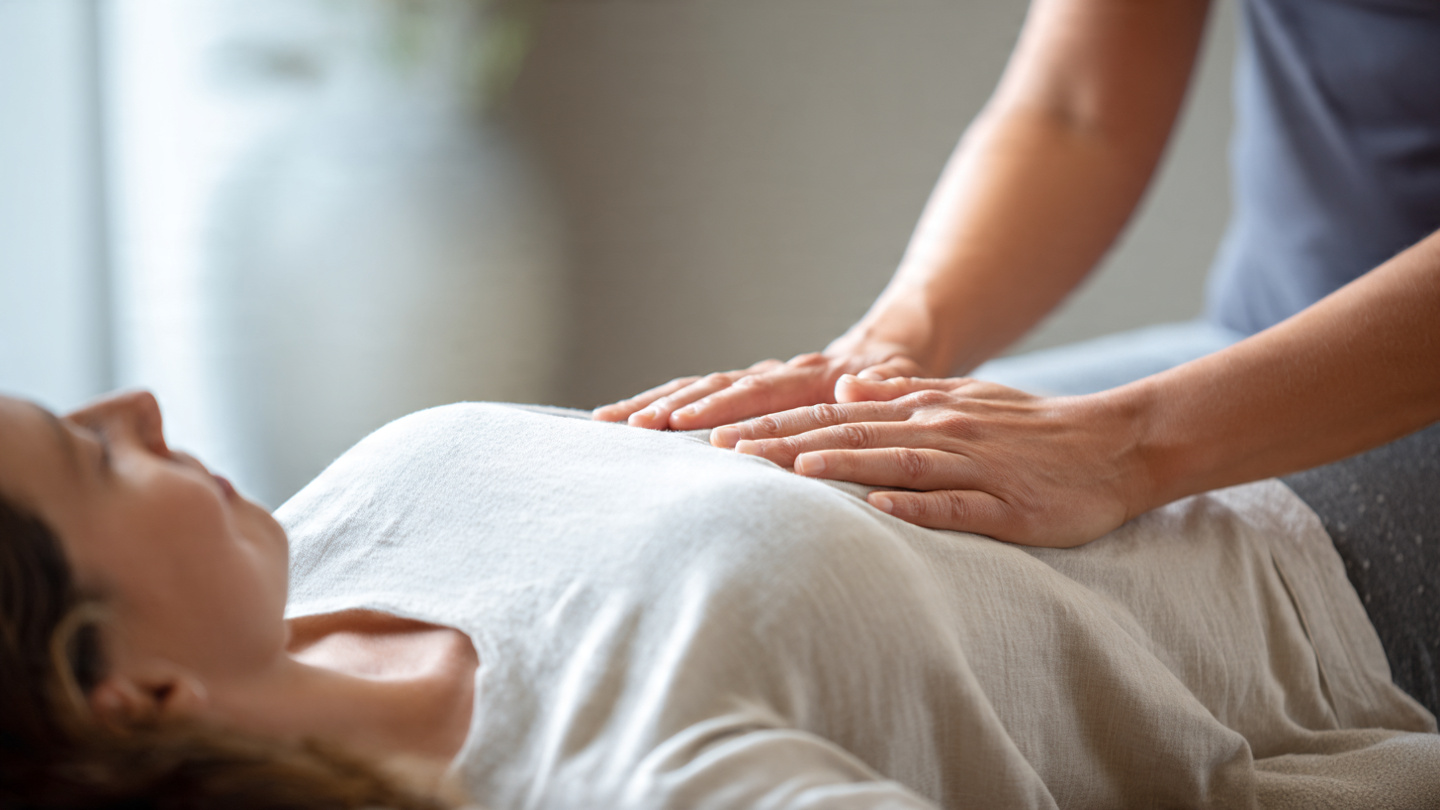
Professional lymph drainage massage to reduce bloating fast in spa setting

Feeling puffy, heavy, or bloated can make even your favorite outfit uncomfortable. The good news? A simple technique called lymph drainage massage to reduce bloating fast may help your body feel lighter and more refreshed. This gentle method supports natural detox flow, improves circulation, and encourages fluid movement. To stay consistent with fitness, explore our complete Fitness & Exercise guide for more workout ideas. Whether you’re dealing with water retention, post-travel swelling, or everyday bloating, this guide shares practical techniques you can try at home. Let’s explore how to support your body naturally and effectively. 1. What Is Lymph Drainage Massage and How It Works Lymph drainage massage to reduce bloating fast is a gentle technique designed to stimulate the lymphatic system. Unlike deep tissue massage, it uses light, rhythmic strokes that encourage fluid movement throughout the body. The lymphatic system helps remove waste and excess fluid, so when it slows down, bloating and swelling can occur. By applying soft pressure in specific directions, this massage supports natural detox pathways. It doesn’t rely on force but rather controlled, intentional movements. When done consistently, it can help reduce water retention, improve circulation, and leave you feeling lighter and more comfortable. 2. Why Bloating Happens in the First Place Bloating often happens due to fluid retention, digestive slowdown, hormonal shifts, or high sodium intake. Long periods of sitting, stress, and lack of movement can also affect circulation and lymph flow. When fluids are not properly drained, you may feel swollen or tight around the stomach or legs. Understanding the root cause helps you address it effectively. Supporting lymphatic circulation through gentle massage encourages natural drainage. Combined with hydration and light movement, this approach can make a noticeable difference in how your body feels daily. 3. Abdominal Lymph Drainage Technique at Home Start by lying comfortably on your back. Using flat fingers, make slow clockwise circular motions around your abdomen. Keep pressure light; imagine gently moving the skin rather than pressing deeply into muscles. Focus on consistency rather than intensity. Perform for five to ten minutes daily, especially in the morning. This simple method encourages lymph movement and supports digestive comfort. Many people notice reduced bloating and a smoother feeling in the stomach area with regular practice. 4. Dry Brushing Before Massage Dry brushing is a popular addition to lymph drainage massage to reduce bloating fast. Using a natural bristle brush, gently sweep upward strokes toward the heart before showering. This motion helps stimulate circulation and prepare the lymphatic system. Always brush on dry skin and avoid sensitive areas. After brushing, follow with a warm shower and then your massage routine. The combination can enhance results by encouraging fluid flow and improving skin texture at the same time. 5. Face Lymph Drainage for Puffiness Facial bloating and puffiness often result from fluid buildup overnight. Using light upward strokes from jawline to ears, then down toward the neck, helps guide lymph fluid toward drainage points. This quick five-minute routine can be done before applying skincare or makeup. It enhances definition, reduces facial puffiness, and gives a refreshed look. Consistency is key for noticeable results. Pair it with daily workout routines for better results. 6. Leg Massage to Reduce Water Retention Swelling in legs and ankles is common after long days of sitting or travel. Apply light upward strokes from ankles toward knees, then toward thighs. Use gentle pressure and steady rhythm. Elevating your legs afterward can support drainage. This technique encourages circulation and reduces that heavy feeling in the lower body. 7. Stay Hydrated for Better Results Hydration plays a major role in how effectively your lymphatic system works. Drinking enough water helps flush waste and prevents fluid retention caused by dehydration. Aim for steady water intake throughout the day. Herbal teas can also support hydration. Massage combined with proper hydration enhances overall effectiveness. 8. Gentle Movement After Massage After performing lymph drainage massage, take a short walk or do gentle stretches. Movement activates muscles that assist lymph circulation. Even ten minutes of light activity supports fluid movement. Combining massage with movement amplifies the benefits and reduces bloating more efficiently. 9. Morning Lymph Activation Routine Starting your day with a short lymph drainage massage to reduce bloating fast can improve circulation before fluid builds up. Begin by gently pressing and releasing the area just above your collarbones. This helps open major lymphatic pathways and prepares the body for better drainage throughout the day. Spend about three to five minutes using slow, rhythmic movements. Keep pressure light and consistent. Doing this in the morning supports fluid balance, especially if you wake up feeling puffy. It also pairs well with hydration and light stretching for better daily results. You can also try low-impact exercises like tai chi walking. 10. Neck and Jaw Drainage for Facial Bloating Facial bloating often connects to lymph congestion around the neck and jaw. Using soft strokes, glide your fingers from behind your ears down toward your collarbone. This direction helps guide excess fluid toward drainage points. Repeat the movement slowly for several minutes. Consistency matters more than pressure. This technique works especially well after long nights, salty meals, or travel. Adding this to your routine supports visible de-puffing and complements abdominal massage techniques. 11. Use Light Oil for Better Glide Using a lightweight body oil makes movements smoother and prevents skin pulling. Choose natural oils like jojoba or almond for gentle glide without heaviness. A small amount is enough to allow fluid, flowing strokes. Proper glide ensures comfort and helps maintain the light pressure required for lymph drainage massage to reduce bloating fast. Too much friction can irritate the skin and reduce effectiveness. Smooth movements encourage relaxation while supporting circulation naturally. Quick Tips for Best Results FAQ 1. How often should I do lymph drainage massage?Daily short sessions are ideal for noticeable improvement. 2. Is it safe for everyone?Consult a professional if you have medical conditions. 3. How fast can bloating reduce?Some feel lighter after one session, but consistency matters.


10 Tai Chi Walking Benefits for Beginners

If you’ve been searching for a gentle way to move your body, calm your mind, and improve balance without intense workouts, tai chi walking benefits for beginners might surprise you. This slow, mindful walking practice blends deep breathing, controlled movement, and body awareness. It looks simple, but the effects are powerful. To stay consistent with fitness, explore our complete Fitness & Exercise guide for more workout ideas. Unlike fast-paced fitness routines, tai chi walking focuses on steady steps and smooth weight shifts. That’s why many beginners, older adults, and even athletes use it for mobility and mental clarity. Let’s explore ten meaningful benefits and how you can start right away. 1. Improves Balance and Stability One of the most searched benefits of tai chi walking for beginners is improved balance. The practice trains you to shift your weight slowly from one leg to another while keeping your posture upright. These controlled transitions strengthen stabilizing muscles in your ankles, knees, and hips. Over time, this reduces wobbling and helps you feel steadier when walking on uneven ground or climbing stairs. Balance issues often appear subtly, especially as we age. Tai chi walking encourages mindful movement, which sharpens body awareness. You start noticing how your feet land and how your core supports you. This awareness translates into everyday life. Many beginners report feeling more confident simply moving around their home or neighborhood. 2. Strengthens Leg Muscles Gently Unlike high-impact workouts, tai chi walking builds strength without strain. Each step requires slow, deliberate movement. As you lower into each stance, your thighs and calves engage naturally. This steady activation improves lower body endurance without overwhelming your joints. For beginners, this is ideal. You’re strengthening muscles gradually while protecting your knees. The slight bend in your legs encourages controlled tension, which builds functional strength. Think of it as strength training disguised as slow walking. Over time, daily tasks like standing longer or walking uphill feel easier and more comfortable. 3. Supports Joint Health Many people look up tai chi walking benefits because they want low-impact exercise. This practice keeps joints moving in a fluid, circular way. The gentle motion improves lubrication in the joints, which may reduce stiffness and discomfort. Beginners often appreciate that there’s no jumping or sudden movement. The controlled stepping protects hips, knees, and ankles. If you’ve avoided exercise due to joint sensitivity, tai chi walking offers a safe re-entry point. Consistency matters more than intensity here. Small daily sessions can create noticeable comfort over time. 4. Reduces Stress and Anxiety Tai chi walking blends movement with breathing. Each step pairs naturally with a slow inhale or exhale. This rhythm activates the body’s relaxation response. Beginners often describe feeling calmer after just ten minutes. Stress tends to accumulate silently. By slowing down your pace and focusing on breath, you interrupt racing thoughts. The practice feels meditative without requiring you to sit still. It’s movement therapy in its simplest form. If your days feel rushed, this intentional walking can become a grounding daily ritual. You can combine this with simple daily workout routines at home. 5. Enhances Mind-Body Connection Tai chi walking encourages awareness of each shift, step, and breath. Beginners quickly notice how connected their movements become. Instead of walking automatically, you walk with intention. This heightened awareness improves coordination. You begin to sense how your arms balance your steps and how your spine aligns. That mind-body connection builds confidence and presence. Over time, even simple activities feel more controlled and graceful. 6. Boosts Circulation Naturally Gentle movement stimulates blood flow without elevating heart rate dramatically. Tai chi walking encourages consistent circulation through steady stepping and deep breathing. For beginners, this can help reduce feelings of sluggishness. Improved circulation supports overall wellness, including muscle recovery and energy levels. It’s a subtle but powerful benefit that builds quietly with regular practice. 7. Improves Posture and Alignment Proper tai chi walking emphasizes upright posture. Your spine stays tall, shoulders relaxed, and chin slightly tucked. Over time, this correct alignment becomes second nature. Many beginners realize they’ve been slouching during daily tasks. Practicing mindful alignment strengthens core muscles gently. Better posture reduces back tension and enhances breathing efficiency. 8. Increases Focus and Mental Clarity Tai chi walking requires attention to detail. Each step is intentional. This focus sharpens concentration naturally. Beginners often find that regular sessions improve mental clarity. It becomes easier to stay present during conversations or work tasks. The slow pace trains patience, which carries into other areas of life. Adding recovery techniques like lymph drainage massage improves circulation. 9. Supports Better Sleep Evening sessions can help release accumulated tension. The combination of movement and breathing prepares the body for rest. Many beginners report falling asleep more easily after incorporating tai chi walking into their routine. Reduced stress and relaxed muscles contribute to deeper sleep quality. 10. Encourages Consistent Healthy Habits The simplicity of tai chi walking makes it sustainable. You don’t need equipment or a gym membership. Just a quiet space and a few minutes. When exercise feels approachable, consistency follows. Beginners often stick with tai chi walking because it feels achievable. Over time, that consistency builds long-term wellness habits. Quick Start Tips for Beginners FAQ 1. How long should beginners practice tai chi walking?Start with 10 minutes daily and gradually increase as you feel comfortable. 2. Is tai chi walking safe for seniors?Yes, it’s low-impact and gentle on joints. 3. Do I need special equipment?No equipment is required. 4. Can tai chi walking help with anxiety?Yes, the breathing and slow movement reduce stress. 5. How quickly will I see results?Some benefits like relaxation are immediate, while balance improves with consistency. Conclusion Tai chi walking offers a simple yet powerful path to better balance, reduced stress, and stronger muscles. For beginners, it provides a gentle entry into mindful movement without pressure or strain. Start small, move slowly, and stay consistent. Over time, the benefits build naturally, helping you feel steadier, calmer, and more connected to your body. For more tips

10 Detox Juices for Bright Glowing Skin

Want clearer, brighter skin without complicated routines? Sometimes the secret is not another serum but what you pour into your glass each morning. Fresh, nutrient-rich juices can support hydration, flush out toxins, and give your skin that natural glow everyone asks about. When your body feels clean and energized, your complexion often reflects it. If you’re working on improving your lifestyle, explore our full Glow Up & Self Care guide for more ideas. These easy detox juices for bright glowing skin are packed with vitamins, antioxidants, and hydration-boosting ingredients. Each recipe is simple, practical, and designed for real life. Grab your blender or juicer, and let’s get started. 1. Lemon and Mint Morning Cleanser Lemon and mint create one of the simplest yet most effective detox juices for bright glowing skin. It provides vitamin C, which supports collagen production and helps improve skin clarity. Mint adds a refreshing flavor while supporting digestion. Together, they create a light drink that wakes up your system gently and encourages hydration from the start of your day. Squeeze half a fresh lemon into warm water and add crushed mint leaves. Drink it on an empty stomach for best results. Consistency is key here. This quick morning ritual may help reduce dullness and support a more even-looking complexion over time. 2. Carrot and Orange Glow Booster Carrots are rich in beta-carotene, which converts to vitamin A and supports skin repair. Oranges add extra vitamin C, making this juice a powerhouse for brightness. This combination works beautifully for supporting a healthy, radiant look while also boosting immunity. Blend two carrots with one peeled orange and a splash of water. Strain if desired for a smoother texture. Drinking this vibrant juice a few times a week can help improve your skin’s natural glow while providing essential nutrients. 3. Cucumber and Spinach Green Refresh Cucumber hydrates deeply, while spinach delivers iron and antioxidants. This green juice supports circulation and hydration, both essential for bright skin. The light, clean taste makes it easy to include in your routine without feeling heavy. Blend half a cucumber, a handful of spinach, and a small green apple for sweetness. This refreshing mix works well as an afternoon pick-me-up. Hydrated skin reflects light better, giving you that natural luminous finish. 4. Beetroot and Apple Radiance Drink Beetroot supports blood purification and circulation, which can improve overall skin tone. Apples add fiber and antioxidants that help protect your skin from environmental stress. This juice has a naturally sweet, earthy flavor that feels satisfying. Blend one small beetroot with one apple and a splash of water. Drink it fresh for maximum benefits. Improved circulation may contribute to a brighter, more even complexion over time. Including green nutritious meals for daily health improves results. 5. Aloe Vera and Pineapple Skin Soother Aloe vera is known for its soothing properties, both inside and out. Combined with pineapple, which contains vitamin C and enzymes, this juice supports digestion and skin clarity. It is refreshing and slightly sweet without added sugar. Blend fresh pineapple chunks with a tablespoon of edible aloe vera gel and water. Drink chilled for a cooling effect. This combination may help calm irritation and support smoother-looking skin. 6. Pomegranate Antioxidant Elixir Pomegranate is packed with antioxidants that help protect the skin from free radical damage. This makes it one of the best detox juices for bright glowing skin when you want extra support against environmental stress. Blend fresh pomegranate seeds and strain the juice. Drink it mid-morning for a nutrient boost. Regular consumption may help maintain a youthful, radiant appearance. 7. Ginger and Turmeric Immunity Blend Ginger and turmeric both contain anti-inflammatory properties that can support clearer skin. When inflammation decreases internally, skin often appears calmer and more balanced. Blend a small piece of ginger, a pinch of turmeric, lemon juice, and water. Drink in small amounts due to its strong flavor. This powerful blend supports overall wellness and skin clarity. 8. Watermelon Hydration Juice Watermelon contains high water content and vitamins A and C. It helps maintain hydration levels, which are essential for a smooth complexion. Proper hydration reduces the appearance of dryness and dullness. Blend fresh watermelon cubes and strain. Drink chilled on warm days. This juice supports a dewy, refreshed look naturally. You can also try summer homemade drinks for hydration. 9. Celery and Green Apple Cleanse Celery supports digestion and hydration, while green apple adds natural sweetness. This light green juice is crisp and refreshing, making it easy to enjoy regularly. Blend two celery stalks with one green apple and water. Drink in the morning or early afternoon. Consistent use may help support clearer-looking skin. 10. Berry and Chia Glow Mix Berries are loaded with antioxidants that protect skin cells from damage. Chia seeds add omega-3 fatty acids, which help maintain skin elasticity and hydration. Blend mixed berries with water and stir in soaked chia seeds. Drink immediately for freshness. This sweet and nutrient-rich juice supports bright, healthy-looking skin from within. Quick Juice Tips FAQ 1. How often should I drink detox juices?Two to four times a week is a balanced approach. 2. Can juices replace meals?They are best used as supplements, not full replacements. 3. When is the best time to drink them?Morning or mid-morning works well for most people. 4. How long before I see results?Consistent use for a few weeks may show visible improvements. 5. Are store-bought juices effective?Fresh homemade juices usually retain more nutrients. Conclusion Adding detox juices for bright glowing skin to your weekly routine can be a simple yet powerful step toward healthier-looking skin. These natural blends support hydration, circulation, and nutrient intake without complicated steps. Choose your favorites, stay consistent, and let your glow build naturally over time. For more tips like this, visit our Wellness Hub and explore all our wellness guides. You can also check out our complete Glow Up & Self Care guide for more inspiration.

10 Daily Workday Rituals  for a Calm Mindset

Ever notice how some days feel calm, organized, and productive while others spiral before 10 a.m.? The difference often isn’t talent or motivation. It’s routine. Small, intentional daily workday rituals for a calm mindset can completely shift how you feel and perform. When you start your morning with structure and end your day with clarity, work feels lighter and more manageable. For better sleep and relaxation, explore our full Sleep & Relaxation guide for more natural remedies. This guide shares 10 practical, realistic rituals you can implement immediately. They require minimal time but deliver powerful results. Think of these as tiny anchors that keep your workday steady, focused, and balanced no matter how busy life gets. 1. The 10-Minute Morning Reset Before opening emails or scrolling messages, take ten intentional minutes to reset your mind. This morning work ritual creates a calm transition between personal time and professional focus. Sit at your desk with a notebook and write three priorities for the day. Not a long to-do list just three meaningful tasks that truly matter. This short reset reduces overwhelm and sets direction. When you begin with clarity instead of chaos, your brain shifts into problem-solving mode rather than reaction mode. Over time, this simple act builds mental discipline. You’ll notice fewer distractions and stronger momentum, especially during the first half of your workday. 2. Hydration Before Notification Reaching for your phone first thing often leads to instant stress. Instead, build a healthy workday ritual by drinking a full glass of water before checking notifications. Hydration boosts energy, supports concentration, and gently wakes your body without overstimulation. This ritual also sets a tone of control. You decide how your day starts not your inbox. Place a water bottle on your desk the night before to make it effortless. It may sound small, but consistent hydration improves alertness and reduces midday fatigue. Sometimes productivity begins with something as simple as water. 3. Power Planning With Time Blocks Instead of writing endless task lists, try time blocking. This productivity work ritual involves assigning specific hours to focused tasks. For example, 9–10 a.m. for emails, 10–12 for deep work, 2–3 for meetings. It prevents multitasking and protects your energy. Time blocking works because it reduces decision fatigue. You don’t constantly wonder what to do next. You simply follow your structure. Even flexible blocks help you maintain direction. When your calendar reflects intention rather than chaos, your workday flows with less friction and more accomplishment. 4. The Two-Minute Desk Reset Clutter creates mental noise. A quick workspace organization ritual at the start or end of your day can dramatically improve focus. Spend two minutes clearing papers, closing tabs, and resetting your environment. You don’t need perfection just order. A tidy space signals completion and readiness. It reduces visual distractions and makes it easier to begin the next task. Over time, this ritual trains your brain to associate your desk with clarity and control. Small physical resets create powerful psychological shifts. 5. Movement Micro-Breaks Sitting for hours drains both body and creativity. Adding short movement breaks during work can boost energy instantly. Set a timer every 90 minutes to stand, stretch, or take a quick walk. Even five minutes of movement improves circulation and mental sharpness. Think of it as pressing refresh on your system. Movement reduces stiffness, relieves tension, and increases alertness. Instead of pushing through exhaustion, you recharge strategically. Consistent micro-breaks prevent burnout and sustain productivity throughout the day. These habits support better sleep routines for deeper nights. 6. Midday Digital Detox Moment Constant screen exposure drains attention. A digital detox ritual during lunch can restore clarity. Step away from devices for at least 15 minutes. Eat mindfully, sit outdoors, or simply breathe deeply. This pause reduces mental clutter and helps you return to work refreshed. Without constant notifications, your nervous system resets. You’ll often notice improved creativity and calmer decision-making in the afternoon. Productivity doesn’t always require more effort sometimes it requires stepping back. 7. Priority Recheck at 3 PM Around mid-afternoon, energy dips naturally. Instead of drifting, do a quick priority review ritual. Revisit your top three tasks. What’s done? What still matters today? Adjust if necessary. This ritual prevents unfinished important work from slipping into tomorrow. It also creates a second wave of focus. Rather than feeling behind, you regain control. A simple check-in helps you finish strong and avoid unnecessary overtime. 8. Gratitude Note for Motivation Work can feel routine or stressful. A brief gratitude work ritual shifts perspective. Write one thing that went well today a solved problem, kind feedback, completed task. Keep it simple and specific. Gratitude builds resilience and long-term motivation. Instead of focusing only on what’s unfinished, you acknowledge progress. This small habit improves mood and strengthens confidence. Over weeks, it rewires how you experience your workday. 9. Email Boundaries Ritual Checking emails constantly fractures focus. Create a structured email routine by limiting checks to two or three scheduled times daily. Close the tab outside those windows. This builds deep work capacity. When you control communication windows, you protect concentration. Colleagues adapt quickly when boundaries are consistent. The result? Fewer distractions and more meaningful progress on complex tasks. You can also try herbal tea for stress relief and relaxation. 10. End-of-Day Shutdown Routine A clear ending matters as much as a strong start. A workday shutdown ritual includes reviewing completed tasks, listing tomorrow’s priorities, and closing your laptop intentionally. Say a simple phrase like, “Work is done for today.” This creates psychological separation between professional and personal life. You carry less stress into the evening and sleep more peacefully. Closure prevents lingering mental loops. Ending your day with intention sets you up for a calmer tomorrow. Quick Implementation Tips FAQ 1. How long does it take to build a work ritual? Most habits begin forming within two to three weeks of consistency. 2. Should I follow all ten rituals daily? No. Choose the ones that fit your schedule and energy. 3. What if my

10 Natural Beauty Tips for Glowing Skin  

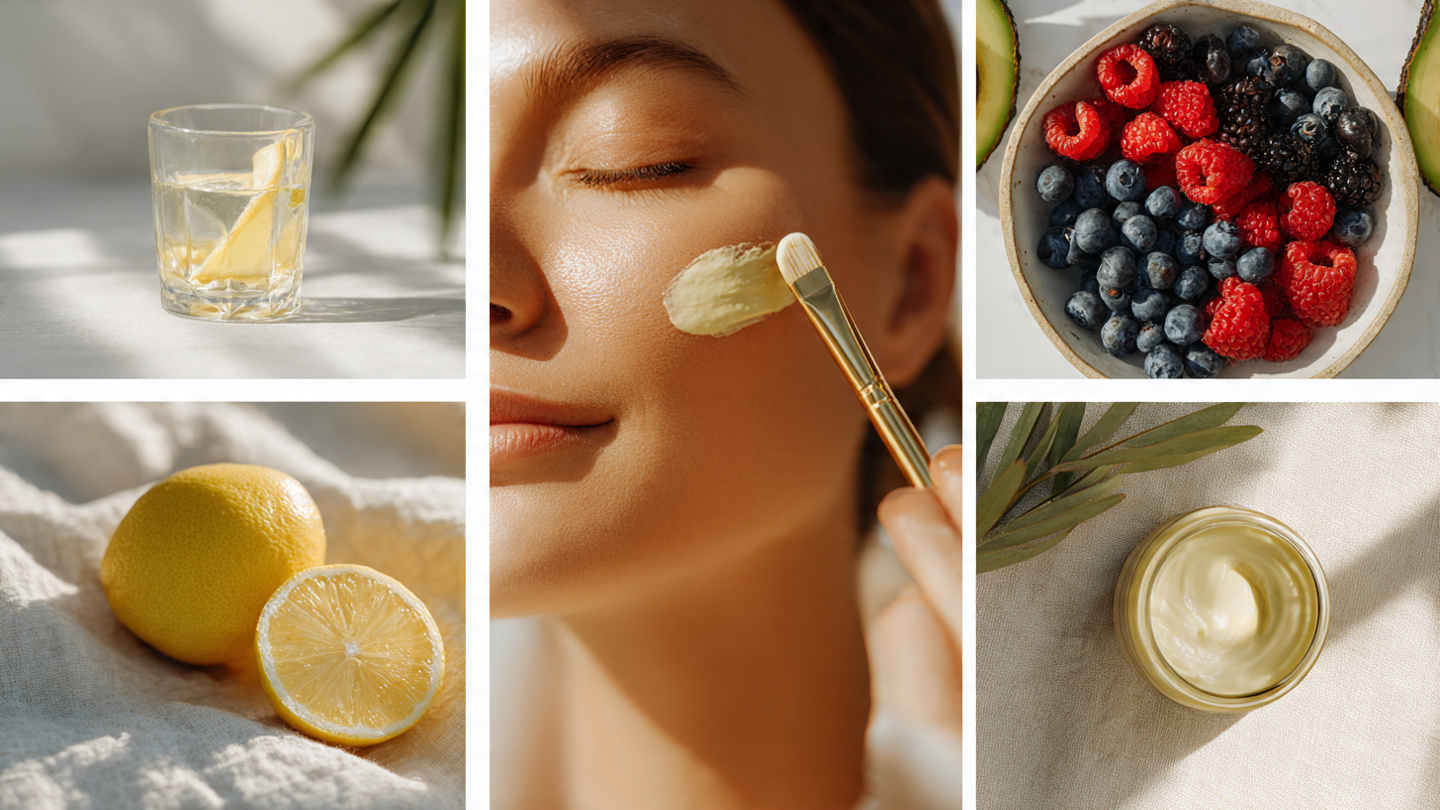
Healthy, radiant skin is not about expensive products or complicated routines. Sometimes the most effective glow comes from simple, natural habits done consistently. If your skin feels dull, tired, or uneven, small changes can create visible results. Think hydration, nourishment, gentle care, and mindful lifestyle choices that support your skin from the inside out. If you’re working on improving your lifestyle, explore our full Glow Up & Self Care guide for more ideas. This guide shares realistic and practical ways to enhance your natural glow. Each tip focuses on easy steps you can start today. No overwhelming routines. No extreme methods. Just balanced, skin-loving practices designed to help you feel confident and refreshed every day. 1. Hydrate From Within for Lasting Radiance One of the most powerful natural beauty tips for glowing skin starts with hydration. Drinking enough water helps maintain skin elasticity, flush out toxins, and support a smoother appearance. When your body is properly hydrated, your skin looks plumper and more refreshed. Adding lemon slices or cucumber can make hydration more enjoyable while providing a subtle nutrient boost. Consistency matters more than quantity in one sitting. Spread your water intake throughout the day instead of drinking large amounts at once. Pair hydration with water-rich foods like watermelon, cucumber, and oranges. This inside-out approach builds a steady glow that makeup alone cannot replicate. 2. Cleanse Gently, Not Aggressively Over-cleansing can strip your skin of natural oils and weaken its protective barrier. A gentle cleanser removes dirt and impurities without causing dryness or irritation. Choose sulfate-free formulas that support balanced skin rather than disrupting it. Harsh scrubbing may feel effective, but it often leads to redness and dullness over time. Wash your face twice daily using lukewarm water. Pat dry instead of rubbing with a towel. This simple shift protects your skin’s natural moisture. A calm, balanced surface reflects light better, giving you that healthy glow you are aiming for. 3. Exfoliate Naturally for Smooth Texture Exfoliation removes dead skin cells that can make your complexion look tired. Natural exfoliants like sugar mixed with honey provide gentle polishing without micro-tears. Use light circular motions and avoid pressing too hard. This method reveals smoother skin and improves product absorption. Limit exfoliation to once or twice a week. Overdoing it can cause sensitivity. After exfoliating, apply a nourishing moisturizer to seal in hydration. With balanced exfoliation, your skin feels softer and looks more luminous without harsh chemicals. 4. Feed Your Skin With Nutrient-Rich Foods Glowing skin reflects what you eat. Foods rich in antioxidants, vitamins, and healthy fats support skin repair and clarity. Berries, spinach, almonds, and avocados contain nutrients that promote smooth texture and elasticity. Omega-3 fatty acids help maintain hydration levels naturally. Try building meals around whole foods rather than processed options. Small daily improvements add up over time. When your body receives proper nutrition, your skin responds with improved tone and radiance that feels authentic and lasting. You can include detox juices for glowing and healthy skin. 5. Use Natural Face Masks Weekly Homemade masks can refresh your skin using simple kitchen ingredients. Yogurt contains lactic acid that gently brightens, while turmeric supports an even-looking complexion. Apply a thin layer and leave it on for about ten minutes before rinsing. Make this a weekly ritual for visible results. Always patch-test new ingredients to avoid irritation. Regular masking supports smoothness and clarity, enhancing your natural glow without relying on synthetic additives. 6. Prioritize Quality Sleep Sleep is when your skin repairs itself. During rest, collagen production increases and blood flow improves. Lack of sleep often leads to dullness and uneven tone. Aim for seven to eight hours each night to support healthy regeneration. Create a calming nighttime routine. Reduce screen time before bed and keep your sleeping environment cool and quiet. Consistent sleep habits make a noticeable difference in how bright and refreshed your skin appears. 7. Protect Skin With Daily Sun Care Sun protection is one of the most essential natural beauty tips for glowing skin. UV exposure contributes to premature aging and uneven pigmentation. Choose a lightweight sunscreen with broad-spectrum protection and apply it every morning. Even on cloudy days, UV rays can affect your skin. Reapply when spending extended time outdoors. Protecting your skin preserves its clarity and prevents damage that can dull your natural radiance over time. 8. Massage Your Face for Better Circulation Facial massage stimulates circulation and encourages lymphatic drainage. Using light upward strokes improves blood flow, which enhances natural brightness. A few minutes daily can reduce puffiness and support smoother texture. Apply a light facial oil to prevent friction. Gentle pressure is enough to see benefits. Over time, this habit contributes to firmer-looking skin and a naturally healthy glow. Starting your day with healthy breakfast ideas for energy helps overall glow. 9. Switch to Natural Oils for Moisture Natural oils like jojoba or rosehip closely mimic the skin’s own sebum. They lock in moisture without clogging pores when used correctly. Apply a few drops after cleansing while skin is slightly damp. Start with a small amount to avoid heaviness. Oils create a protective barrier that keeps hydration in place. Consistent use can improve smoothness and restore radiance naturally. 10. Manage Stress for Clearer Skin Stress impacts hormone levels, which can affect skin clarity and brightness. Managing stress through movement, meditation, or journaling supports overall balance. Even short daily breathing exercises can calm your system. When your body feels balanced, your skin often reflects that stability. A relaxed mind contributes to a smoother, brighter complexion. Glowing skin is not just topical; it is holistic. Quick Glow Boost Checklist FAQ 1. How long does it take to see results naturally? Most people notice improvements within two to four weeks with consistent habits. 2. Can natural remedies replace skincare products? They can complement your routine but may not replace all formulated treatments. 3. Is exfoliating weekly enough? For most skin types, once or twice weekly is ideal. 4. Do oils cause breakouts? When chosen correctly

11 Simple Steps to Get Your Life Together  

Ever feel like your days are running you instead of the other way around? One minute you’re motivated, the next you’re overwhelmed by clutter, unfinished tasks, and mental noise. Getting your life together doesn’t mean becoming perfect overnight. It means building small systems that support your goals, your peace, and your confidence. Think of it as clearing fog from a windshield so you can finally see where you’re going. If you’re working on improving your lifestyle, explore our full Glow Up & Self Care guide for more ideas. This guide breaks everything into eleven realistic steps you can actually follow. Each one is practical, simple, and designed to help you feel more organized, focused, and calm. You don’t need a dramatic life reset. You just need a better starting point. 1. Declutter Your Physical Space First Your environment influences your mindset more than you realize. When your room is messy, your thoughts often feel messy too. Start small. Clean one drawer. Clear your desk. Donate clothes you haven’t worn in a year. Physical clutter silently drains mental energy, and removing it creates instant clarity. Focus on visible surfaces first because quick wins build momentum. Use baskets, drawer dividers, and labeled containers to maintain order. Once your space feels lighter, daily tasks seem less overwhelming. A clean room won’t solve everything, but it creates a calm foundation to build better habits. 2. Create a Simple Morning Routine Mornings set the tone for your entire day. Instead of grabbing your phone immediately, design a short routine that centers you. It could include stretching, journaling for five minutes, or reviewing your top three priorities. Keep it realistic so it’s sustainable. A consistent morning rhythm reduces decision fatigue. When you start with intention instead of chaos, you feel more in control. Even small rituals like making your bed or drinking water right away signal to your brain that you’re showing up for yourself. That confidence compounds over time. 3. Write Down Clear, Achievable Goals Vague goals create vague results. Instead of saying, “I want to be healthier,” write, “I will walk 20 minutes after work three times a week.” Clear goals turn ideas into action steps. Keep them measurable and realistic. Break large goals into smaller milestones. That way, progress feels attainable rather than intimidating. Tracking achievements builds momentum and keeps motivation alive. When you see proof of consistency, it reinforces your belief in your own ability to improve. 4. Build a Weekly Reset Habit Choose one day each week to reset your space and schedule. Wash laundry, review your calendar, prepare simple meals, and tidy your living area. This habit prevents small messes from turning into overwhelming chaos. A weekly reset gives you structure. It’s like pressing refresh before Monday arrives. Knowing you have a system in place reduces anxiety and keeps you proactive rather than reactive. Over time, this routine becomes your anchor during busy seasons. 5. Manage Your Time with a Simple Planner Time management isn’t about filling every hour. It’s about assigning intention to your day. Use a planner to schedule priorities, not just appointments. Highlight your most important tasks and leave space for flexibility. Avoid overloading your schedule. A realistic plan beats an ambitious one you can’t maintain. When you visually map your week, you reduce last-minute stress. Seeing your responsibilities clearly makes them easier to handle. Build daily wellness habits for consistency. 6. Improve Your Financial Awareness Money stress often contributes to feeling out of control. Start by tracking where your money goes each month. You don’t need complicated spreadsheets. A simple list of income and expenses is enough. Once you understand your spending habits, create a basic budget. Set small savings goals to build confidence. Financial clarity reduces uncertainty and empowers better decisions. Even small adjustments can create long-term stability. 7. Prioritize Physical Health Daily Your body fuels everything you do. Prioritize sleep, hydration, and movement. You don’t need intense workouts. A brisk walk or short home workout makes a difference. Balanced meals and proper rest improve focus and mood. When you feel physically strong, you naturally handle stress better. Treat health as a daily investment rather than an occasional effort. 8. Limit Digital Distractions Constant notifications fragment your attention. Set boundaries with your devices. Turn off nonessential alerts and designate specific times for checking social media. Creating tech-free windows helps you focus deeply. It also improves sleep and mental clarity. Protecting your attention is one of the most powerful ways to regain control over your schedule. 9. Surround Yourself with Positive Influence Energy is contagious. Spend time with people who encourage growth and accountability. Distance yourself from negativity when possible. If in-person support feels limited, listen to podcasts or read books that inspire productivity and personal development. Positive input shifts perspective and fuels action. Follow easy steps to change your life for good. 10. Practice Daily Reflection Reflection strengthens awareness. Spend five minutes each night reviewing what went well and what needs adjustment. This small habit builds mindfulness. Writing your thoughts down clarifies patterns. It helps you recognize progress and adjust strategies before problems grow. Growth begins with awareness. 11. Take Consistent Imperfect Action Waiting for perfect timing delays progress. Start before you feel fully ready. Small actions repeated daily create real transformation. Consistency matters more than intensity. Even when motivation dips, discipline keeps you moving forward. Imperfect effort still counts. Progress builds confidence, and confidence builds momentum. Quick Action Checklist FAQ 1. How long does it take to get your life together? There’s no fixed timeline. Small consistent habits over a few months create noticeable change. 2. What if I feel overwhelmed starting? Start with one step only. Momentum grows from small wins. 3. Do I need expensive tools? No. A notebook and simple storage solutions are enough. 4. How do I stay motivated? Track progress and celebrate small achievements regularly. 5. Can routines really make that much difference? Yes. Structure reduces stress and improves focus dramatically. Conclusion Getting your life together isn’t about

12 Wellness Hacks to Boost Your Daily Energy

Low energy can make even small tasks feel overwhelming. The good news is that you do not need extreme routines or expensive programs to feel better. Small, consistent wellness hacks can create noticeable improvements in focus, mood, and stamina. When your body and mind receive steady support, energy begins to feel natural instead of forced. If you’re working on improving your lifestyle, explore our full Glow Up & Self Care guide for more ideas. This guide shares 12 practical wellness hacks to boost your daily energy. Each idea is realistic, easy to start, and designed to fit into a busy schedule. Use them individually or combine a few for a steady, sustainable lift throughout your day. 1. Start with Hydration Before Coffee Drinking water first thing in the morning helps wake up your system gently. After hours of sleep, your body is slightly dehydrated, which can cause sluggishness and brain fog. A full glass of water supports digestion, circulation, and mental clarity before caffeine enters the picture. Adding a squeeze of lemon can make it refreshing and encourage consistency. Keep a reusable water bottle near your bed or kitchen counter as a visual reminder. This small habit takes less than a minute but can shift how your entire morning feels. When hydration becomes automatic, you may notice steadier energy and fewer mid-morning crashes. 2. Step Outside for Morning Light Natural morning light helps regulate your internal clock and signals your body to feel alert. Even five to ten minutes outside can improve mood and support healthy sleep later at night. Sunlight exposure early in the day encourages your brain to reduce melatonin and increase alertness naturally. Try stepping outside while sipping water or stretching. If possible, take a short walk around your block. Consistent exposure builds rhythm in your sleep-wake cycle. Over time, this simple habit can reduce grogginess and support more balanced energy levels throughout the day. 3. Eat a Protein-Rich Breakfast A breakfast that includes protein helps stabilize blood sugar and reduce energy dips. Meals focused only on refined carbohydrates may cause a quick spike followed by fatigue. Adding eggs, Greek yogurt, nuts, or plant-based protein options creates longer-lasting fuel for your brain and muscles. Pair protein with fiber and healthy fats for better balance. For example: This combination supports steady energy rather than short bursts followed by crashes. 4. Move Your Body for 10 Minutes Short movement sessions can increase circulation and oxygen flow quickly. You do not need a full workout to feel energized. Ten minutes of stretching, light yoga, or a brisk walk can improve alertness and reduce stiffness from sitting. Choose something enjoyable so it feels sustainable. Set a timer and move without distractions. When movement becomes a daily ritual, your body begins to expect activity, making it easier to maintain consistent energy. Even mid-afternoon movement breaks can refresh your focus. 5. Try the 90-Minute Focus Cycle Your brain works best in focused intervals. Working for about 90 minutes followed by a short break aligns with natural attention cycles. After intense concentration, step away briefly to stretch or breathe deeply. This pattern prevents burnout and mental fatigue. Use a timer to stay consistent. During breaks, avoid scrolling and instead choose something restorative. Structured focus supports productivity while protecting your energy reserves for the rest of the day. 6. Practice Deep Breathing Midday Shallow breathing can increase tension and fatigue. Taking a few minutes for slow, deep breathing helps calm the nervous system and improve oxygen flow. Try inhaling for four counts, holding briefly, then exhaling slowly. Repeat this cycle for several minutes. Many people feel clearer and lighter afterward. This quick reset works especially well during stressful afternoons. It costs nothing and can be done anywhere, making it one of the simplest wellness hacks available. Start your day with healthy breakfast ideas for energy. 7. Reduce Afternoon Sugar Sugary snacks may give temporary energy but often lead to sudden drops. Instead, choose snacks with protein and fiber. Options like nuts, fruit with nut butter, or yogurt help maintain steadier levels. Planning snacks in advance reduces impulsive choices. Keep balanced options visible and accessible. Over time, reducing sugar spikes can prevent late-day exhaustion and help you feel more stable into the evening hours. 8. Take a Short Power Nap A 15 to 20 minute nap can restore alertness without disrupting nighttime sleep. Keep naps short to avoid grogginess. Set an alarm and rest in a quiet, dim space. If napping is not possible, close your eyes and relax for a few minutes. Even brief rest supports mental recovery. Used occasionally, this strategy can refresh your focus and reduce the need for extra caffeine. 9. Declutter Your Space Clutter can quietly drain mental energy. A tidy workspace reduces distractions and makes tasks feel manageable. Start with one small area rather than your entire home. Simple steps: Visual calm often leads to mental clarity. Maintaining a clean environment supports productivity and sustained focus. Add green food ideas for better nutrition. 10. Drink Herbal Tea Instead of Extra Coffee Replacing late-day coffee with herbal tea can prevent sleep disruption. Teas like peppermint or ginger feel refreshing without caffeine. Good sleep supports the next day’s energy more effectively than extra stimulants. Make tea part of your evening wind-down routine. This gentle shift helps reduce jitteriness and promotes relaxation while still feeling comforting. 11. Set a Consistent Sleep Schedule Going to bed and waking up at consistent times strengthens your internal clock. Irregular schedules can lead to fatigue even if total sleep hours seem adequate. Aim for a relaxing bedtime routine: Consistency builds natural alertness during the day. Over time, stable sleep patterns significantly improve overall energy. 12. Practice Gratitude Before Bed Writing down three things you appreciate each night can improve mood and mental balance. Positive reflection helps reduce stress and racing thoughts. This habit creates a calm mental state before sleep. Emotional balance contributes to better rest and improved morning energy. Keep your journal visible to build

10 Date Yourself Ideas for Self-Care and Joy

Spending time with yourself is not about isolation. It is about intention. A solo date gives you space to breathe, reflect, and enjoy moments without outside noise. When you plan time just for yourself, even small activities feel meaningful. If you’re working on improving your lifestyle, explore our full Glow Up & Self Care guide for more ideas. These ideas are designed to help you slow down, reconnect with your needs, and enjoy simple pleasures. Each one is practical, comforting, and easy to adapt to your lifestyle. Whether you have a full day or a quiet evening, these self-dates can turn ordinary moments into something restorative and joyful. 1. Coffee Shop Solo Reset Walking into a coffee shop alone can feel refreshing rather than awkward. Choose a quiet spot, order your favorite drink, and let yourself settle in. The background hum creates a comforting rhythm while you enjoy uninterrupted time. Bring a book, write a few thoughts, or simply watch the world outside the window. This kind of solo moment helps your mind slow down naturally. To make it special, leave your phone face down. Focus on the taste, the warmth of the cup, and the moment you are in. This simple routine can become a grounding habit that reminds you how enjoyable your own company can be, even in everyday settings. 2. At-Home Spa Evening Turning your home into a personal spa is one of the easiest ways to recharge. Start by setting the mood with soft lighting and calming music. A warm shower or bath helps release tension built up throughout the day. Follow with skincare, hair care, or gentle stretching. This time is about comfort, not perfection. The key is to move slowly and stay present. Treat each step as a ritual rather than a task. When you care for your body with patience, your mind follows. Even a short spa evening can leave you feeling lighter and more balanced. 3. Solo Walk with Intention A walk alone becomes powerful when you give it purpose. Choose a route that feels safe and calming, and leave distractions behind. Notice the small details around you, like sounds, textures, and movement. Walking without rushing helps clear mental clutter and brings gentle clarity. You can turn this into a reflective practice by setting a simple intention before you start. It might be gratitude, stress release, or creative thinking. By the time you return, your body feels lighter and your thoughts more organized. 4. Creative Date with Yourself Creating something just for yourself is deeply satisfying. You do not need talent or experience. Painting, writing, crafting, or even cooking can become a creative outlet when you remove pressure. The goal is expression, not results. Set aside time where there is no expectation to share or finish anything. Let curiosity guide you. Creativity reconnects you with playfulness and helps release emotions that words sometimes cannot. This kind of self-date reminds you that joy often comes from exploration. Plan weekend self-care activities at home. 5. Comfort Movie Night A solo movie night can feel deeply comforting when done intentionally. Choose a film that matches your mood, not trends. Create a cozy setup with blankets and snacks you genuinely enjoy. This is your space to unwind without compromise. Watching alone allows you to react freely, pause when needed, and fully immerse yourself. It becomes less about entertainment and more about rest. This kind of quiet enjoyment helps you recharge emotionally after busy days. 6. Morning Slow Start Date Starting your day slowly can change your entire mindset. Wake up earlier than usual and resist the urge to rush. Prepare a simple breakfast and enjoy it without distractions. Morning quiet offers clarity that is hard to find later in the day. Use this time to check in with yourself. Write a few thoughts, stretch gently, or sit with a warm drink. A slow morning reminds you that your time is valuable and worth protecting. 7. Bookstore or Library Visit Browsing books alone is a peaceful and inspiring experience. Move slowly through the aisles and let curiosity guide you. Reading book covers and opening random pages can spark new ideas and interests. You are not there to rush or buy anything specific. This space allows your mind to wander gently. Spending time around stories and ideas can feel comforting and motivating, especially when you give yourself permission to explore freely. 8. Mindful Cooking Date Cooking for yourself becomes special when you treat it as an experience rather than a chore. Choose a recipe that feels comforting or exciting. Focus on textures, smells, and flavors as you prepare each step. Play music and move at your own pace. Cooking mindfully turns nourishment into self-respect. When you sit down to eat something you made with care, it reinforces a sense of independence and appreciation for yourself. 9. Digital Detox Evening Stepping away from screens for an evening can feel refreshing. Set boundaries by turning off notifications and choosing offline activities. Read, journal, or simply sit quietly with your thoughts. Without constant input, your mind gets space to breathe. This type of self-date helps reduce overstimulation and improves sleep quality. Even a few hours of digital distance can restore a sense of calm. Follow glow-up habits for personal growth. 10. Reflection and Goal Check-In A reflective self-date helps you reconnect with where you are and where you want to go. Sit somewhere comfortable with a notebook and ask yourself simple questions. What feels good right now? What needs attention? There is no pressure to solve everything. Writing honestly helps release mental weight and creates clarity. This gentle check-in builds trust with yourself and encourages intentional growth over time. FAQ How often should I plan a solo date? Once a week or even once a month can make a noticeable difference. Do self-dates have to cost money? No, many meaningful ideas are free or low-cost. What if I feel awkward at first? That feeling fades as you grow comfortable with

11 Healthy Weeknight Dinner Ideas in Minutes

Weeknights can feel overwhelming when time is short and energy is low. Cooking shouldn’t add stress to an already busy day. The good news is that healthy meals don’t need complicated steps or long ingredient lists. If you’re working on improving your lifestyle, explore our full Glow Up & Self Care guide for more ideas. With a few smart ideas, you can put together dinners that are fast, nourishing, and satisfying. This guide focuses on simple meals that come together quickly while still supporting balanced eating. These ideas are realistic, flexible, and designed for everyday life when convenience matters just as much as nutrition. 1. Lemon Garlic Chicken with Steamed Veggies This dinner is a reliable option when you want something light yet filling. Chicken breast cooks quickly and absorbs flavors well, especially with fresh lemon juice and garlic. Pairing it with steamed vegetables keeps the meal balanced without extra effort. Using olive oil instead of heavy sauces helps maintain a lighter feel while still delivering great taste. To save time, prep vegetables in advance or use pre-cut options. Cooking everything in one pan reduces cleanup, making this meal ideal for busy evenings. Serve it as-is or over a small portion of brown rice for added fiber and energy. 2. One-Pan Salmon with Roasted Vegetables Salmon is packed with protein and healthy fats, making it a smart choice for weeknight dinners. Cooking it on a single pan with vegetables simplifies the process and keeps flavors fresh. Roasting enhances natural sweetness without the need for added sauces. This meal works well with seasonal vegetables and minimal seasoning. A sprinkle of salt, pepper, and herbs is enough. Cleanup is quick, and leftovers can be used for lunch the next day, making this a practical and efficient option. 3. Quick Turkey and Veggie Stir-Fry Ground turkey cooks faster than many proteins and pairs well with vegetables. A simple stir-fry keeps ingredients fresh and crisp while allowing you to control oil and sodium. Using frozen vegetables can save even more time without sacrificing nutrition. Serve this dish over cauliflower rice or regular rice depending on preference. The flavors are adaptable, so you can change vegetables or seasonings easily. This flexibility makes it a great go-to dinner when time is limited. 4. Veggie-Packed Egg Scramble Eggs are one of the fastest proteins to cook and work well for dinner. Adding vegetables boosts nutrients and makes the meal more filling. This dish comes together in minutes and doesn’t require complex preparation. Serve with whole-grain toast or avocado slices for balance. This option is especially useful on nights when cooking feels like a chore. It’s simple, warm, and satisfying without being heavy. Pair with green food ideas for nutrition. 5. Shrimp and Avocado Bowl Shrimp cooks in just a few minutes, making it perfect for quick meals. Combined with avocado, this bowl offers healthy fats and protein in one dish. Using pre-cooked rice or grains speeds things up even more. This meal is refreshing yet filling. A squeeze of lime adds brightness without added calories. It’s a great option when you want something light but still nourishing. 6. Chickpea and Spinach Skillet Chickpeas are convenient, affordable, and rich in plant-based protein. Cooking them with spinach and garlic creates a flavorful meal in minutes. This dish works well on its own or as a side. Using canned chickpeas saves time while still delivering nutrition. Pair with flatbread or serve over grains. It’s a comforting option that doesn’t feel heavy after a long day. 7. Zucchini Noodle Pasta Bowl Image Prompt: Zucchini noodles topped with light tomato sauce and herbs, clean white bowl, bright lighting, minimal background, realistic food photography, healthy low-carb dinner. Zucchini noodles offer a lighter alternative to traditional pasta while still feeling familiar. They cook quickly and pair well with simple sauces. This makes them ideal for weeknight dinners when you want something fast. 8. Tofu and Vegetable Stir-Fry Tofu absorbs flavor quickly and cooks fast when prepared properly. Paired with vegetables, it creates a balanced meal that’s satisfying and light. This dish is perfect for plant-based nights. Using high heat helps achieve a good texture. Serve with rice or enjoy on its own. It’s a flexible option that fits many dietary preferences. 9. Chicken Lettuce Wraps Lettuce wraps are a great way to enjoy familiar flavors in a lighter form. Ground chicken cooks quickly and pairs well with simple seasonings. This meal feels fresh and easy. They’re fun to assemble and don’t require utensils. Perfect for nights when you want something different but still quick and healthy. 10. Tuna and White Bean Salad This no-cook dinner is ideal for extremely busy evenings. Tuna and beans provide protein and fiber without heating the stove. It comes together in minutes. Add lemon juice and olive oil for flavor. Serve with greens or whole-grain bread. It’s practical, filling, and surprisingly satisfying. Try healthy breakfast ideas for daily energy. 11. Simple Veggie Fried Rice Using leftover rice makes this dish incredibly fast. Adding vegetables and eggs creates a balanced meal in one pan. It’s a smart way to reduce food waste. Keep seasoning light and use minimal oil. This dinner is comforting, quick, and adaptable based on what you have on hand. FAQs Are these dinners suitable for busy schedules? Yes, all meals are designed to be quick and simple. Do I need special ingredients? No, most use common pantry items. Are these meals family-friendly? Yes, flavors are mild and adaptable. Can I prepare these ideas? Many work well for leftovers. Are these dinners balanced? They include protein, vegetables, and healthy fats. Conclusion Healthy weeknight dinners don’t have to be complicated or time-consuming. With the right ideas, you can create meals that support wellness while fitting into real life. These recipes focus on speed, simplicity, and nourishment, helping you enjoy dinner without stress. For more tips like this, visit our Wellness Hub and explore all our wellness guides. You can also check out our complete Glow Up &

10 Sleep Secrets Flip for Deeper, Better Nights

Good sleep often feels complicated, but most nights are ruined by small habits we barely notice. Light exposure, late routines, mental overload, or even how your room feels can quietly interfere with rest. The idea behind a “sleep secrets flip” is simple: instead of adding more effort, you flip what’s already happening. Small changes create big improvements when they work with your body, not against it. For better sleep and relaxation, explore our full Sleep & Relaxation guide for more natural remedies. This guide focuses on practical, realistic sleep shifts that fit everyday life. No extreme routines, no expensive tools, and no unrealistic expectations. Each sleep secret is easy to apply and designed to help your body slow down naturally. When sleep feels supported instead of forced, deeper and better nights follow. 1. Flip Your Nighttime Light Exposure Artificial lighting can quietly confuse your body long after the sun goes down. Bright lights signal alertness, even when you’re exhausted. Flipping your light exposure means dimming your environment at least an hour before bed. This helps your brain understand that nighttime has arrived and it’s safe to slow down. Switch overhead lights for lamps and choose warmer tones instead of cool white bulbs. Even small changes matter. Your body responds quickly when visual cues feel calmer. Over time, this shift supports melatonin production and makes falling asleep feel more natural instead of forced. 2. Flip Your Evening Screen Habit Screens are often the last thing we interact with before sleep, yet they keep the mind alert. Flipping this habit doesn’t require removing screens completely. It simply means changing how and when you use them. Set a clear boundary where screens stop stimulating your brain. Try placing your phone face-down or charging it away from the bed. Replace scrolling with something low-effort like stretching or quiet music. This shift reduces mental noise and helps your nervous system transition into rest mode more smoothly. 3. Flip Your Bedtime Mental Load Racing thoughts often keep sleep out of reach. Instead of letting worries loop in your head, flip that habit by unloading them before bed. Writing down tasks, ideas, or concerns tells your brain it doesn’t need to hold onto everything overnight. Keep a notebook nearby and spend a few minutes jotting thoughts down. This simple action creates mental space and lowers stress. When your mind feels lighter, falling asleep becomes less of a struggle and more of a natural process. 4. Flip Your Sleep Environment Temperature Many people assume warmth equals comfort, but sleep often improves in a slightly cooler room. Flipping your temperature approach means letting your body cool down naturally, which supports deeper sleep cycles. Lower the thermostat slightly or use breathable bedding. This shift helps your body stay asleep longer and reduces nighttime wake-ups. Comfort comes from balance, not overheating, especially during longer sleep periods. Pair these habits with natural sleep drinks for better rest. 5. Flip Your Evening Food Timing Late, heavy meals can interfere with rest without you realizing it. Flipping this habit means finishing larger meals earlier and choosing lighter options closer to bedtime. This allows digestion to settle before sleep. If hunger appears later, opt for something gentle like fruit or yogurt. This shift reduces discomfort and supports uninterrupted sleep. Your body rests better when it’s not busy processing heavy foods. 6. Flip How You Use Your Bed Using your bed for work, scrolling, or stress trains your brain to stay alert there. Flipping this habit means reserving your bed for sleep and relaxation only. This helps your mind associate the space with rest. Even small changes matter. Sit elsewhere during the day and keep your bed visually calm. Over time, this strengthens the mental connection between lying down and falling asleep faster. 7. Flip Your Pre-Sleep Body Tension Physical tension often carries into bed unnoticed. Flipping this means releasing tension before sleep instead of expecting it to disappear on its own. Gentle stretches or slow breathing can signal safety to your nervous system. Spend a few minutes loosening shoulders, neck, and hips. This helps your body settle and reduces restlessness. When the body relaxes, the mind follows more easily. 8. Flip Your Wake-Up Consistency Many people focus only on bedtime, but wake-up time matters just as much. Flipping this habit means waking up at a similar time daily, even after a poor night. This stabilizes your internal clock. Consistency builds stronger sleep signals at night. Over time, falling asleep becomes easier because your body knows when rest is expected. This simple shift supports long-term sleep quality. Following daily workday rituals for a calm mindset reduces stress. 9. Flip Your Relationship with Naps Naps can help or hurt sleep depending on timing. Flipping this habit means keeping naps short and earlier in the day. Long or late naps steal sleep pressure from nighttime. Limit naps to twenty minutes and avoid them late afternoon. This keeps nighttime sleep intact while still offering a small energy reset when needed. 10. Flip Your Expectations About Perfect Sleep Chasing perfect sleep often creates pressure that keeps you awake. Flipping this mindset means allowing imperfect nights without stress. Sleep improves when you stop forcing it. Accept that some nights will be lighter than others. This mental shift reduces anxiety and helps your body relax. Ironically, letting go often leads to better rest. Frequently Asked Questions How long does it take to see sleep improvements? Small changes often show results within a few nights. Do I need to apply all sleep flips at once? No, even one or two can make a difference. Is poor sleep always a routine issue? Not always, but habits often play a major role. Can these tips help with stress-related sleep issues? Yes, many focus on calming the nervous system. Are these suitable for busy schedules? They are designed to fit real, everyday life. Conclusion Better sleep doesn’t require extreme routines or complicated rules. It starts with small flips that support your body’s natural rhythms. When