
Why Everyone Is Chasing That Radiant Glow
A glowing, sun-kissed look has become a symbol of effortless beauty and confidence. Whether you’re heading to the beach, lounging by the pool, or simply soaking up sunlight in your backyard, the right tanning oils and lotions can transform your skin’s appearance. But here’s the catch—choosing the wrong product can leave your skin dry, uneven, or even damaged. This guide simplifies everything so you can achieve that radiant glow safely and effectively without confusion.
Choosing the Right Tanning Product for Your Skin
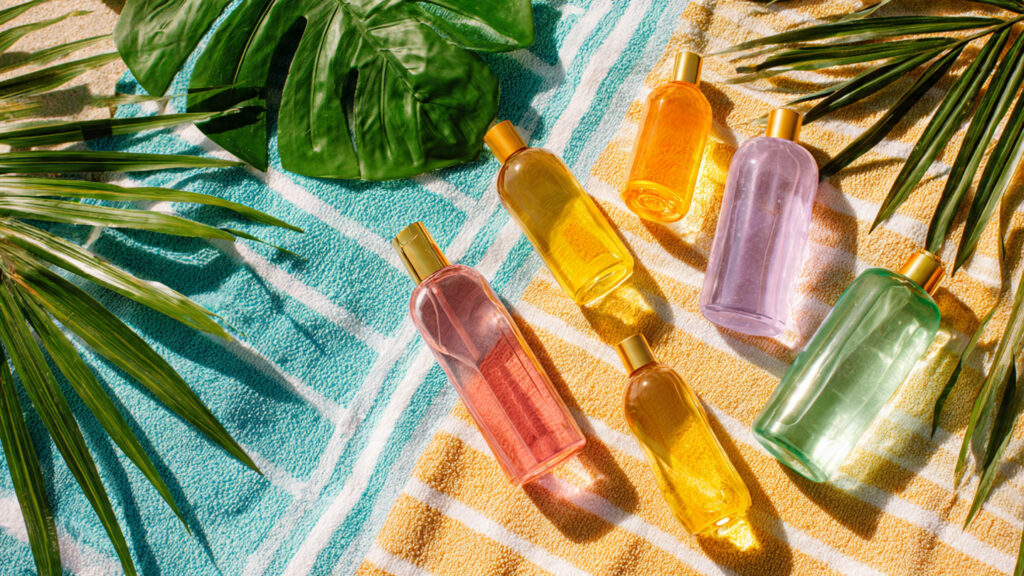
Selecting the perfect tanning product starts with understanding your skin type. If your skin is dry, you’ll need a deeply moisturizing tanning lotion with ingredients like aloe vera or coconut oil. Oily skin benefits from lightweight, non-greasy tanning oils that absorb quickly without clogging pores. Sensitive skin requires hypoallergenic and fragrance-free formulas to prevent irritation or redness.
When choosing a product, also consider your tanning goals. Are you looking for a deep bronze, a subtle glow, or just hydration with a hint of shimmer? Products labeled as “gradual tanning lotions” are great for beginners because they build color slowly. Always check SPF levels—while tanning oils enhance sun exposure, they should still provide some level of protection to minimize UV damage.
Understanding Tanning Oils vs. Tanning Lotions
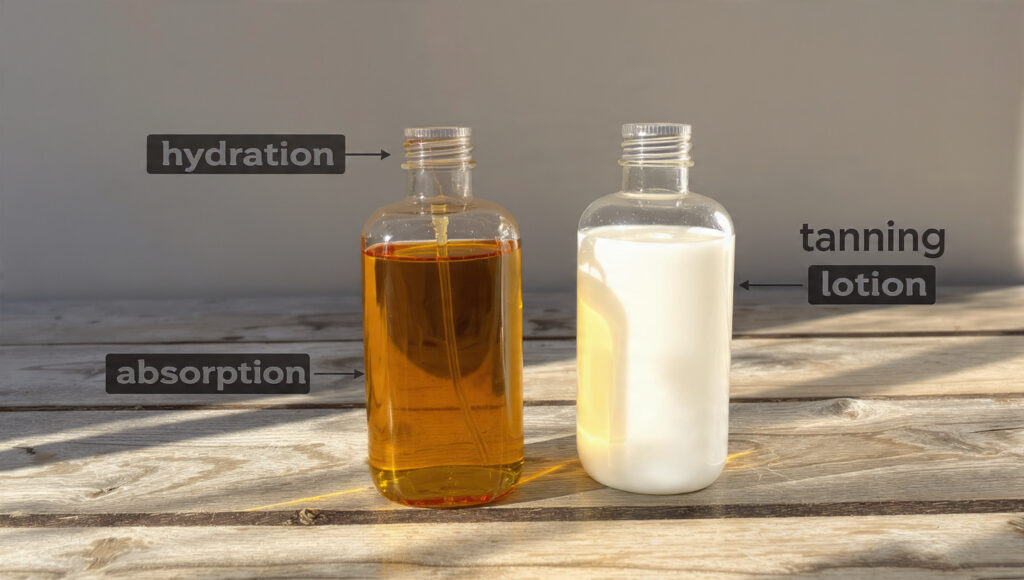
Tanning oils and lotions may seem similar, but they serve slightly different purposes. Tanning oils are designed to attract and intensify the sun’s rays, helping you tan faster. They usually contain natural oils like coconut or argan oil, which also nourish the skin while enhancing color. However, they often lack strong SPF, so they should be used carefully and combined with sun protection.
On the other hand, tanning lotions focus more on hydration and gradual color development. They are ideal for people who want a more controlled and safer tanning experience. Many lotions include SPF, antioxidants, and skin-repairing ingredients, making them suitable for longer sun exposure. Choosing between the two depends on your skin type, tanning goals, and sensitivity to sunlight.
Explore more glow-enhancing routines in our Skincare Tips to Brighten Dull Skin Naturally and discover how to maintain a radiant complexion year-round.
How to Apply Tanning Products for Best Results
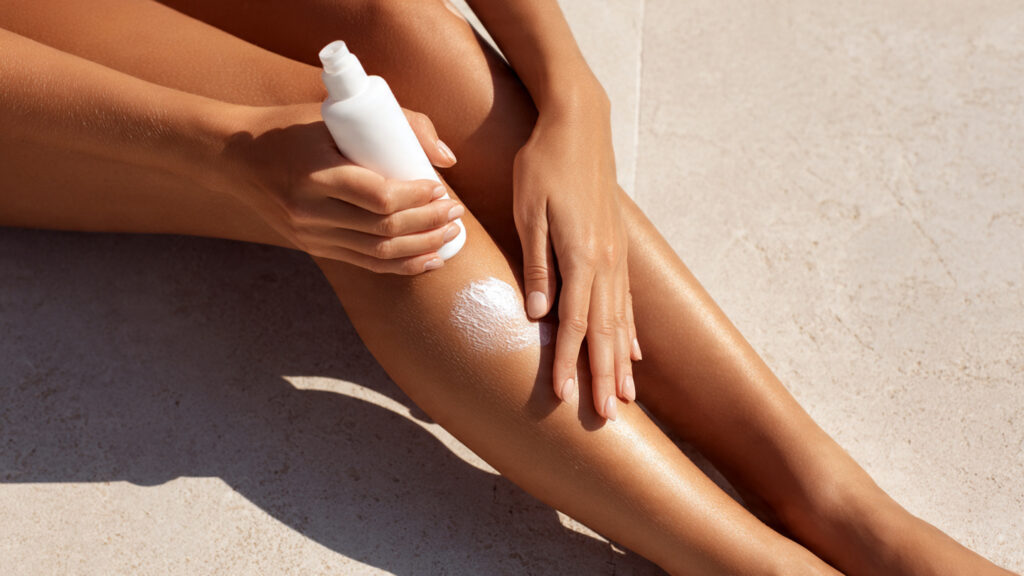
Proper application is key to achieving an even, streak-free tan. Always start with clean, exfoliated skin to remove dead cells, allowing the product to absorb evenly. Apply a generous amount of tanning oil or lotion in circular motions, ensuring every area is covered without overusing the product. Pay extra attention to dry areas like elbows, knees, and ankles, as they tend to absorb more product and darken unevenly.
Reapplication is just as important as the initial application. If you’re spending extended time in the sun, reapply every two hours or after swimming or sweating. Many people overlook this step, but it significantly affects your final results. Think of tanning like painting a canvas—the smoother your base and application, the more flawless the final glow.
Top Ingredients to Look for in Tanning Products
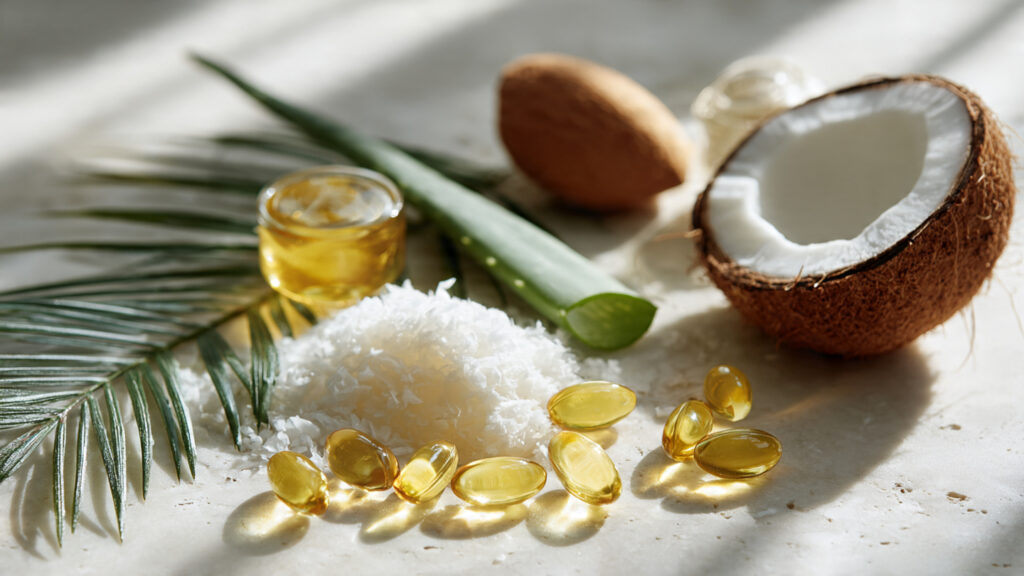
The best tanning products are enriched with nourishing ingredients that not only help you tan but also protect and hydrate your skin. Ingredients like coconut oil deeply moisturize while giving a natural sheen, while aloe vera soothes and cools sun-exposed skin. Vitamin E acts as an antioxidant, helping repair and protect your skin from environmental damage.
Other beneficial ingredients include carrot seed oil, which naturally enhances tanning, and shea butter, known for its intense moisturizing properties. Avoid products with harsh chemicals, artificial fragrances, or alcohol, as they can dry out or irritate your skin. Reading labels carefully ensures you choose a product that enhances your glow while keeping your skin healthy and radiant.
Common Mistakes to Avoid While Tanning
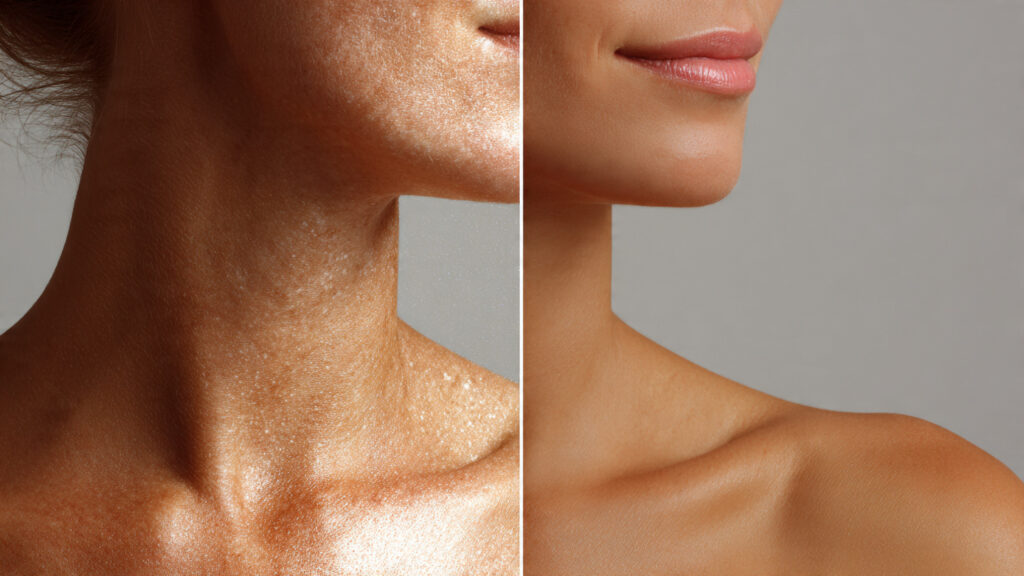
One of the biggest mistakes people make is skipping sunscreen while using tanning oils. This can lead to sunburn and long-term skin damage. Another common issue is overexposure to the sun, thinking it will speed up tanning. In reality, it increases the risk of burns and premature aging. Always balance sun exposure with proper skin protection.
Uneven application is another frequent mistake. Applying too little or missing spots leads to patchy results that are hard to fix later. Not exfoliating beforehand can also cause uneven absorption. Think of tanning like building a foundation—if the base isn’t prepared properly, the final result won’t look smooth or natural. Taking a few extra steps ensures a flawless glow.
For a complete routine, check out our Skincare & Glow page where we cover everything from hydration to sun protection.
Maintaining Your Tan for Longer Results
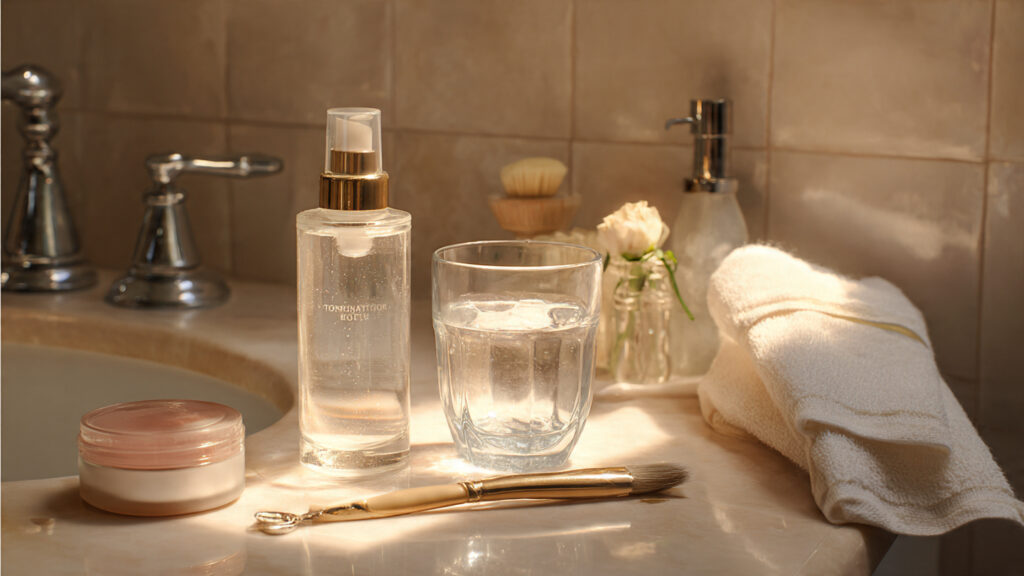
Maintaining your tan requires consistent skincare even after sun exposure. Hydration plays a major role—drink plenty of water and apply a good moisturizer daily to keep your skin supple. Hydrated skin holds color longer and prevents flaking, which can make your tan fade unevenly.
Using tan-extending lotions can also help maintain your glow. These products are designed to enhance and prolong your tan while adding moisture. Avoid hot showers and harsh soaps, as they strip away natural oils and cause your tan to fade faster. Think of your tan as a delicate glow that needs care—nurture it, and it will last beautifully.
FAQs
1. What is the best tanning oil for beginners?
Gradual tanning lotions with SPF are ideal for beginners because they build color slowly and reduce the risk of burns.
2. Can I use tanning oil without sunscreen?
It is not recommended. Tanning oils should be combined with sunscreen to protect your skin from harmful UV rays.
3. How often should I apply tanning lotion?
Apply before sun exposure and reapply every two hours or after swimming for the best results.
4. Are tanning lotions safe for sensitive skin?
Yes, but choose fragrance-free, hypoallergenic formulas designed specifically for sensitive skin.
5. How long does a tan from tanning oil last?
It typically lasts one to two weeks, depending on your skincare routine and hydration levels.
Conclusion
Achieving a perfect sun-kissed glow is not just about spending time in the sun—it’s about choosing the right tanning oils and lotions, applying them correctly, and maintaining healthy skin habits. With the right ingredients, thoughtful application, and proper aftercare, your skin can achieve a radiant and natural-looking tan without unnecessary damage. Think of tanning as a balance between beauty and care, where your skin remains the priority while still achieving that glowing finish.
👉 Discover more beauty essentials on our Beauty Hub.