
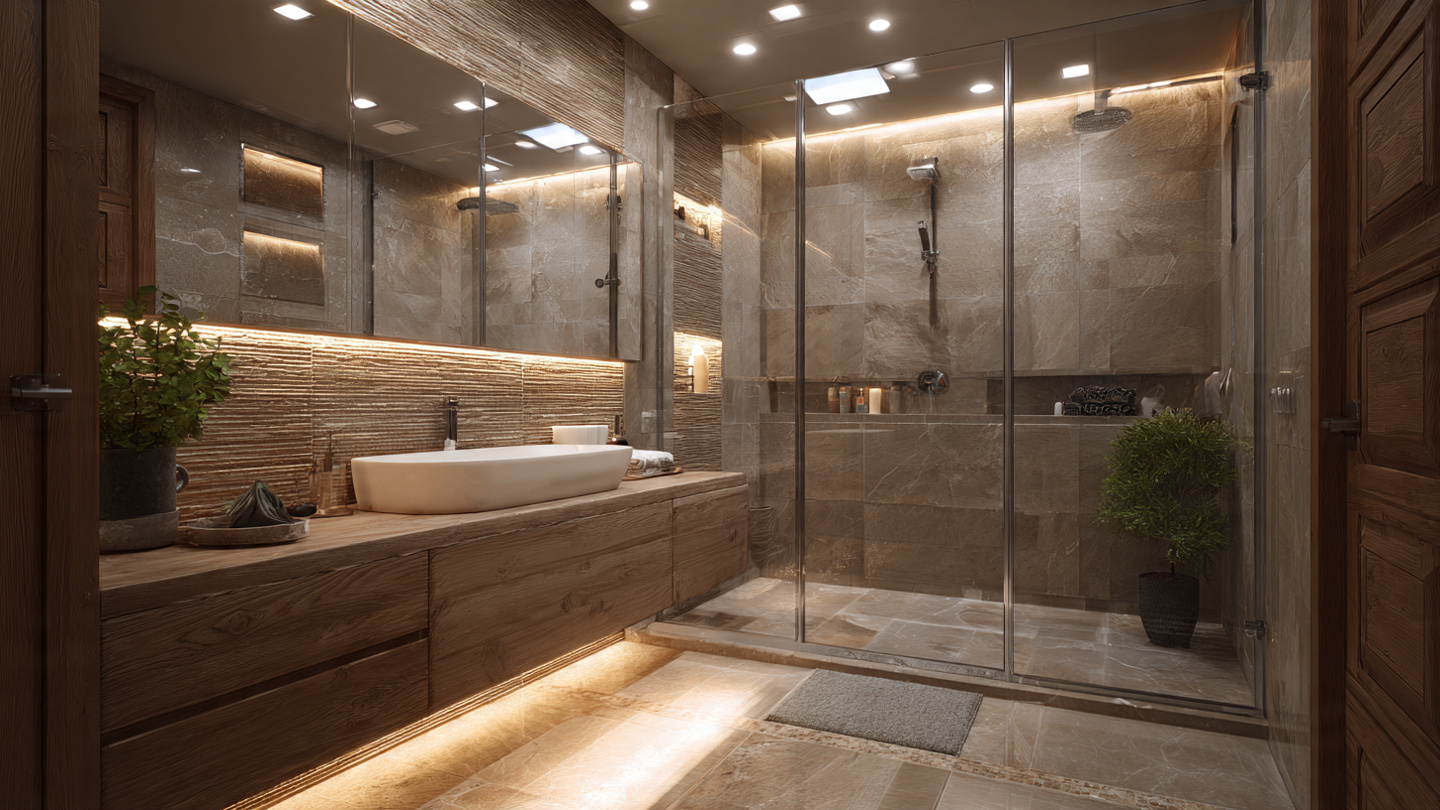
Bathrooms are no longer purely functional spaces. In 2026, bathroom design has evolved to reflect a deeper focus on wellness, comfort, and refined aesthetics. Modern bathrooms are envisioned as private sanctuaries where daily routines become calming rituals. This shift has influenced how bathrooms are planned, styled, and experienced, resulting in interiors that feel both luxurious and highly practical.
If you’re looking for more ideas, explore our complete guide on Kitchen & Bathroom Ideas.
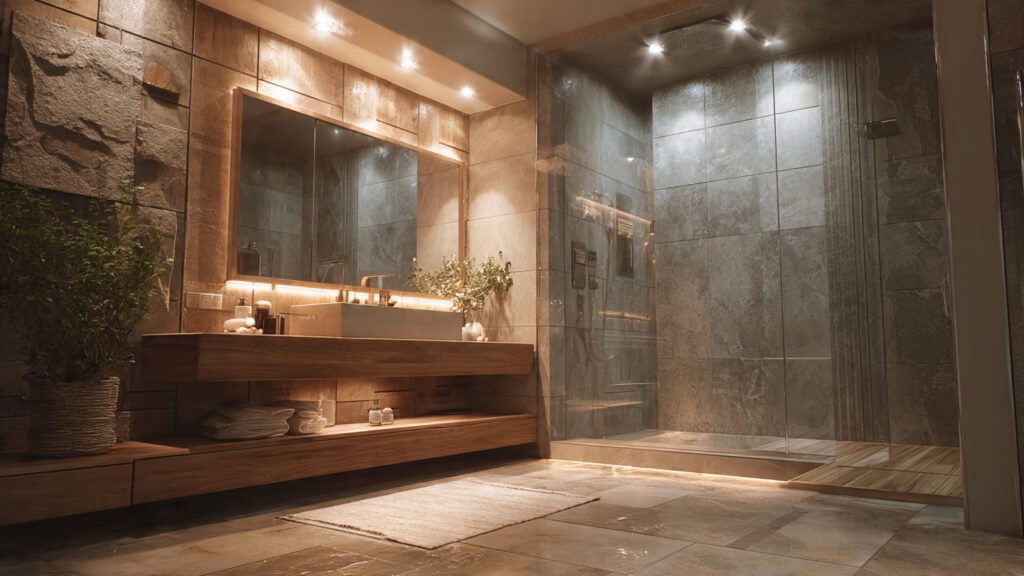
Rather than following bold or short-lived trends, bathroom ideas for 2026 emphasize timeless design principles. Neutral palettes, natural materials, and thoughtful layouts create spaces that remain visually relevant while supporting everyday comfort. Whether designing a compact urban bathroom or a spacious master bath, the goal is to create an environment that feels serene, efficient, and intentionally designed.
The Design Philosophy Behind Bathrooms in 2026
The defining philosophy of bathroom design in 2026 is balance. Spaces are designed to feel minimal yet warm, luxurious yet understated. Clean lines and clutter-free surfaces dominate, but softness is introduced through texture, lighting, and material choice.
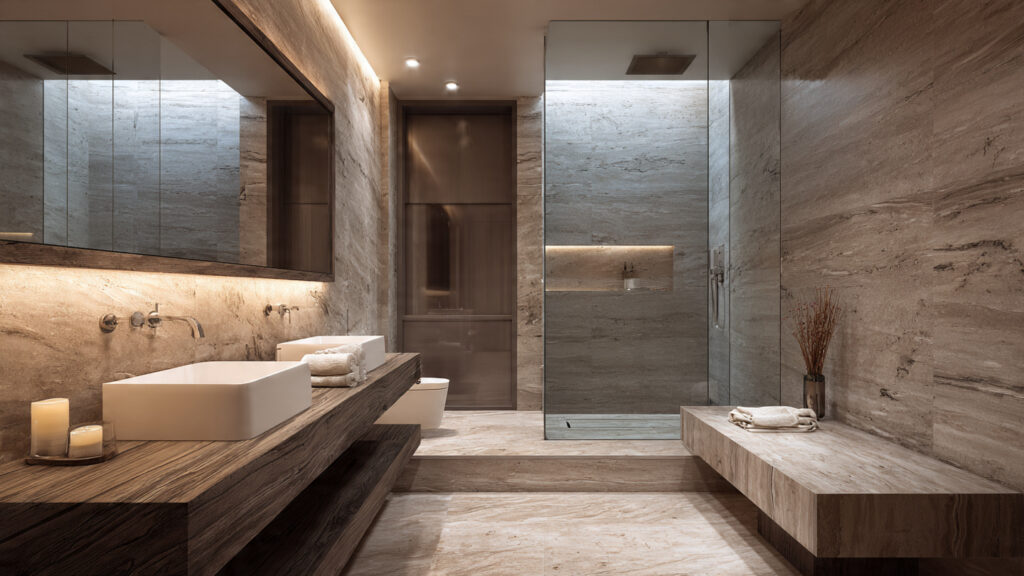
Wellness plays a central role in shaping modern bathrooms. Design decisions are guided by the desire to reduce stress and enhance comfort. From lighting temperature to surface finishes, every element is selected to contribute to a calm and restorative atmosphere.
Layout Planning and Space Optimization
Effective layout planning is essential for modern bathrooms. In 2026, layouts prioritize ease of movement and intuitive functionality. Fixtures are positioned to maximize comfort while maintaining a sense of openness. Walk-in showers, wall-mounted vanities, and floating storage units are increasingly popular for their clean appearance and space-saving benefits.
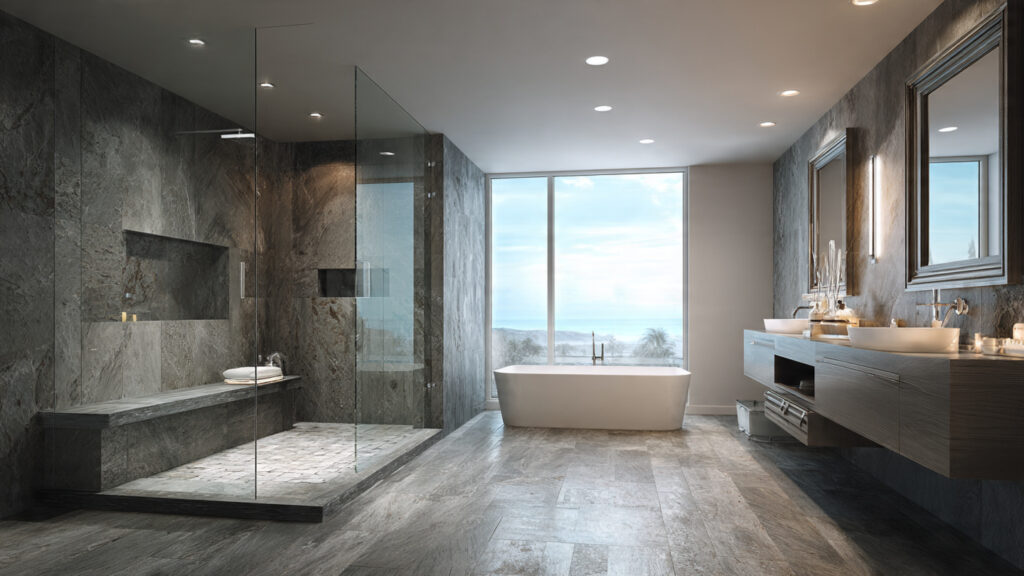
Zoning is a key concept. Wet and dry areas are clearly defined, improving both functionality and visual clarity. Even smaller bathrooms benefit from this approach, as it prevents overcrowding and enhances the perception of space.
Don’t miss our Bathroom Storage Ideas: Smart Solutions.
Color Palettes Defining 2026 Bathroom Trends
Color trends for bathrooms in 2026 are inspired by nature and tranquility. Soft neutrals such as warm white, sand, beige, and light gray form the foundation of modern bathroom interiors. These tones reflect light beautifully, making spaces feel larger and more serene.
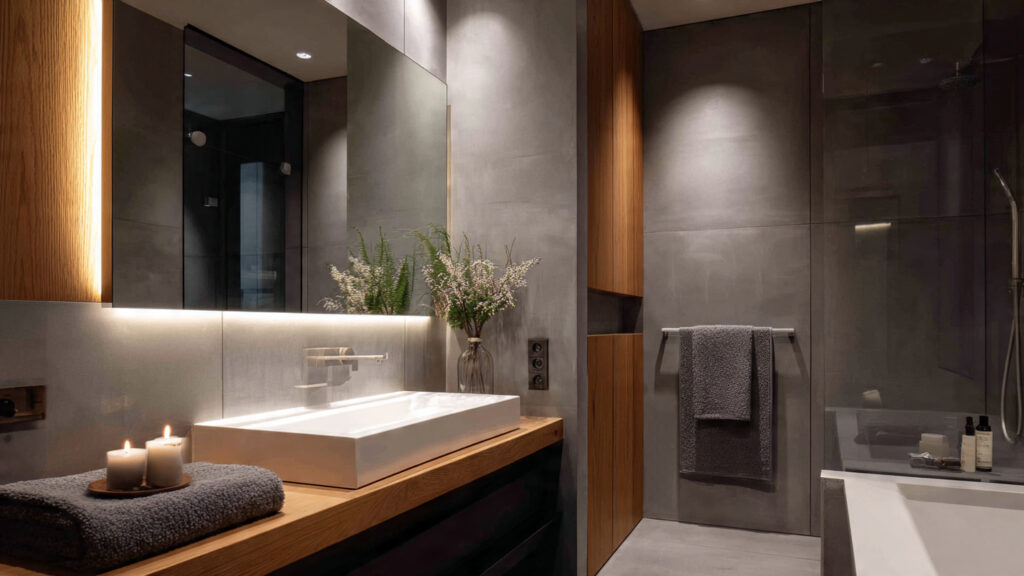
Accent colors are subtle and earthy. Muted greens, soft clay, charcoal, and stone-inspired hues add depth without overwhelming the senses. Rather than bold contrasts, designers favor tonal layering that creates a cohesive and soothing environment.
Materials and Finishes
Material selection is a defining element of bathroom design in 2026. Natural and tactile surfaces dominate, reinforcing the connection to wellness and comfort. Stone, marble-inspired tiles, textured ceramics, and natural wood finishes are widely used to elevate the visual experience.
Matte finishes are preferred over high-gloss surfaces, as they offer a softer and more contemporary appearance. These finishes also contribute to a calm aesthetic while being practical for daily use. The emphasis is on quality materials that age gracefully over time.
Vanity and Storage Design
Vanity units in 2026 bathrooms are designed with both form and function in mind. Floating vanities are especially popular, as they create a sense of openness and modernity. Integrated handles, seamless drawers, and minimal hardware enhance the clean aesthetic.
Storage solutions are thoughtfully concealed to maintain a clutter-free environment. Built-in cabinets, recessed shelving, and mirrored storage units help keep essentials organized without disrupting the design. The result is a bathroom that feels spacious and visually calm.
Shower and Bathing Experiences
The bathing experience is a central focus of bathroom ideas in 2026. Walk-in showers with frameless glass enclosures are favored for their sleek appearance and accessibility. Rain showers, handheld options, and thermostatic controls enhance comfort and usability.
Freestanding bathtubs remain a symbol of luxury, particularly in larger bathrooms. Their sculptural forms add visual interest while reinforcing the idea of the bathroom as a retreat. Placement is intentional, often near windows or feature walls to maximize relaxation.
Lighting for Atmosphere and Function
Lighting design plays a crucial role in shaping the mood of modern bathrooms. In 2026, layered lighting strategies are standard. Ambient lighting provides overall illumination, while task lighting ensures functionality around mirrors and vanity areas.
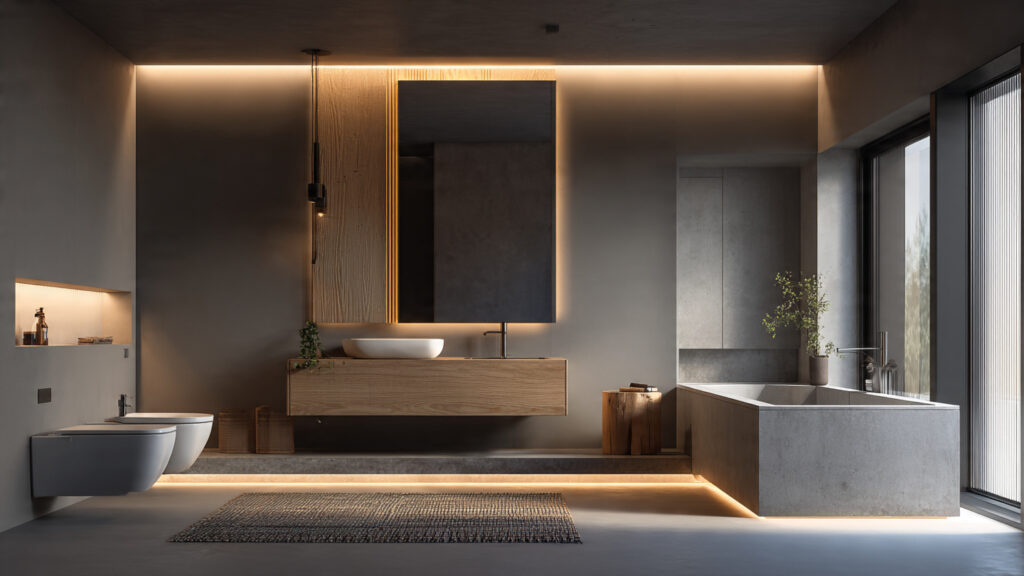
Accent lighting highlights textures, niches, or architectural details, adding depth and visual interest. Warm lighting temperatures are preferred, creating a spa-like ambiance that feels inviting rather than clinical. Integrated LED lighting is commonly used for its efficiency and sleek appearance.
Wall Treatments and Feature Elements
Bathroom walls in 2026 are designed to be visually engaging without overwhelming the space. Large-format tiles reduce grout lines, creating a seamless and modern look. Feature walls are often introduced using textured tiles, stone finishes, or subtle patterns.
Niches within shower areas serve both functional and decorative purposes. They provide storage while adding architectural interest, especially when highlighted with accent lighting or contrasting materials.
Textiles and Soft Touches
While bathrooms are primarily hard-surfaced spaces, textiles play an important role in adding comfort and warmth. Plush towels, bath mats, and window treatments soften the environment and enhance the sensory experience.
In 2026, textiles are chosen in neutral or muted tones to complement the overall palette. Quality and texture are prioritized, reinforcing the feeling of understated luxury.
Technology Integration in Modern Bathrooms
Technology is seamlessly integrated into bathrooms in 2026. Smart mirrors with built-in lighting, defogging features, and subtle displays enhance daily routines. Touchless faucets, temperature-controlled showers, and automated lighting systems improve both hygiene and convenience.
Importantly, technology is designed to remain discreet. Controls are integrated into walls or fixtures, preserving the clean and uncluttered aesthetic that defines modern bathroom design.
Creating a Timeless Bathroom Design
While trends guide inspiration, the most successful bathroom designs in 2026 prioritize timelessness. Neutral foundations, natural materials, and balanced layouts ensure longevity. Personalization is introduced through accessories, textiles, and subtle design details that can be updated over time.
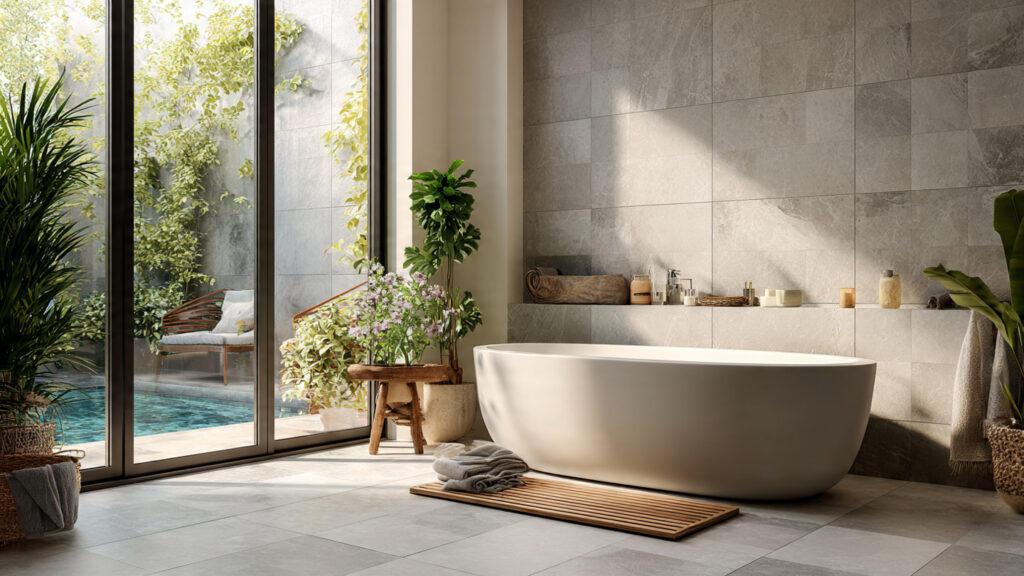
A well-designed bathroom feels calm, functional, and luxurious without excess. It supports daily routines while offering moments of relaxation and comfort.
Conclusion
Bathroom ideas for 2026 reflect a broader shift toward wellness-driven, thoughtfully designed interiors. By combining serene color palettes, high-quality materials, smart layouts, and layered lighting, modern bathrooms become personal retreats rather than purely functional spaces. Whether renovating or designing from scratch, these ideas provide a clear framework for creating a bathroom that feels contemporary, relaxing, and timeless.
For more home inspiration, visit our homepage and For more tips like this, visit our Home Decor Hub and explore all our home decor guides.