

Master bedroom ideas for 2026 focus on creating a refined personal retreat that balances luxury, comfort, and functionality. This in-depth guide explores the latest design directions shaping modern master bedrooms, including calming color palettes, smart layouts, contemporary furniture, layered lighting, and elevated décor concepts. Designed for homeowners and interior design enthusiasts, this article offers practical inspiration to help transform the master bedroom into a stylish and restful sanctuary aligned with future-forward home décor trends.
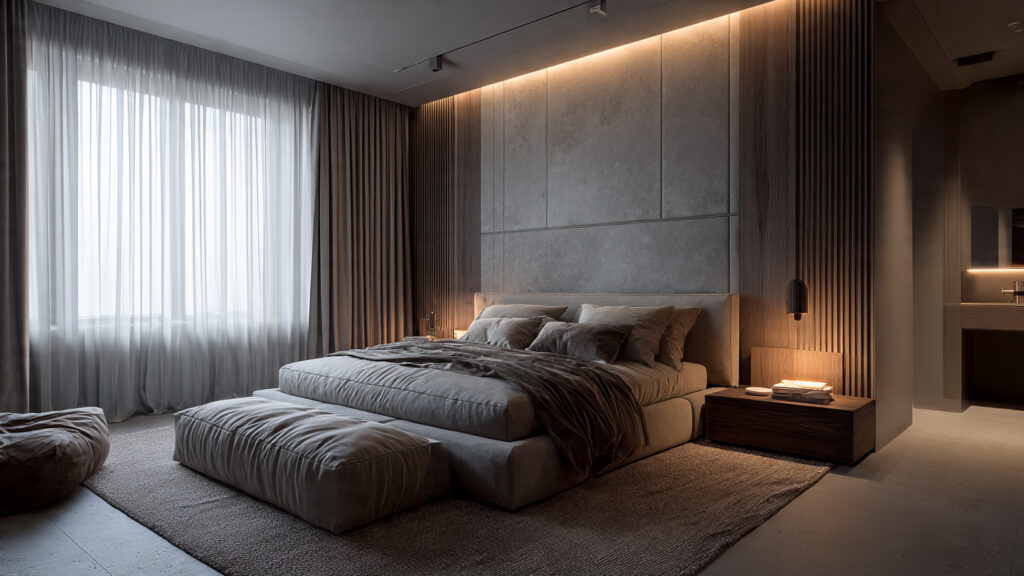
The master bedroom has evolved far beyond its traditional role as a place to sleep. In 2026, it represents a private sanctuary—an environment designed for rest, restoration, and quiet luxury. Modern homeowners increasingly expect their master bedrooms to reflect refined aesthetics while supporting wellness, comfort, and everyday functionality. As a result, master bedroom design trends in 2026 emphasize intentional planning, soothing environments, and timeless elegance.
If you’re looking for more ideas, explore our complete guide on Bedroom & Living Ideas for stylish and cozy inspiration.
Rather than following short-lived décor trends, contemporary master bedroom ideas focus on longevity. Materials, colors, and layouts are chosen to remain visually relevant for years while adapting easily to lifestyle changes. The bedroom becomes a personalized retreat that feels calm, uncluttered, and emotionally grounding.
Design Philosophy for Master Bedrooms in 2026
The defining principle of master bedroom design in 2026 is balance. Interiors are neither overly minimal nor excessively decorative. Instead, they blend softness with structure, luxury with simplicity. Clean lines, subtle textures, and thoughtfully selected furnishings create a space that feels sophisticated yet deeply comfortable.
There is also a growing emphasis on wellness-oriented design. Bedrooms are planned to reduce visual noise, enhance sleep quality, and encourage relaxation. This approach influences everything from layout decisions to lighting temperature and material selection.
Layout Planning and Spatial Flow
An effective master bedroom layout prioritizes ease of movement and visual clarity. Furniture placement in 2026 is more intentional, with clear zones for sleeping, dressing, and relaxing. Even compact master bedrooms benefit from well-defined areas that prevent the space from feeling crowded.
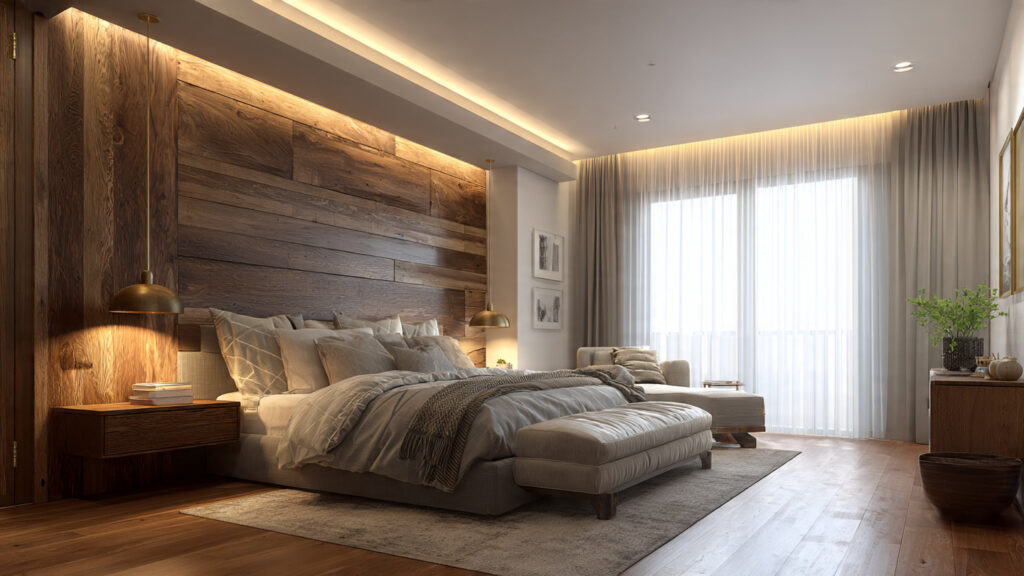
The bed remains the focal point of the room, often positioned against a feature wall that subtly anchors the design. Nightstands, wardrobes, and seating areas are arranged symmetrically or with deliberate balance to maintain visual harmony. Open circulation around the bed is considered essential, reinforcing a sense of openness and calm.
Don’t miss our Dreamy Bedrooms: Beautiful Ideas to Create a Soft, Cozy, and Magical Sleeping Space.
Color Trends Shaping 2026 Bedrooms
Color palettes for master bedrooms in 2026 lean toward soft, grounding tones inspired by nature. Warm neutrals such as sand, taupe, soft beige, and muted gray dominate, creating a serene foundation. These shades are often layered with earthy accents like clay, olive, charcoal, or soft terracotta.
Rather than bold contrasts, color transitions are gentle and cohesive. The goal is to create an enveloping atmosphere that supports rest. Accent colors appear subtly through textiles, artwork, or upholstered furniture, ensuring the space remains visually interesting without overstimulation.
Furniture Design and Material Choices
Furniture in 2026 master bedrooms reflects understated luxury. Bed frames are typically low-profile with upholstered or wood-paneled headboards that enhance comfort and visual warmth. Curved silhouettes are increasingly popular, softening the overall look and promoting a sense of relaxation.
Storage furniture is designed to be seamless and integrated. Wardrobes often feature flush doors, minimal hardware, and soft finishes that blend into the architecture. Materials such as natural wood, matte laminates, textured fabrics, and stone-inspired surfaces are favored for their tactile quality and timeless appeal.
Comfort remains a central focus. Mattresses, seating benches, and lounge chairs are selected not only for style but also for ergonomic support and daily usability.
Lighting Concepts for a Restful Atmosphere
Lighting plays a transformative role in master bedroom design for 2026. Instead of relying on a single overhead fixture, modern bedrooms use layered lighting strategies to control mood and function. Ambient lighting provides soft, even illumination, while task lighting supports reading and daily routines.
Accent lighting highlights architectural features, headboard walls, or decorative textures. Warm light temperatures are preferred, helping the room feel cozy and sleep-friendly. Hidden LED strips, bedside pendant lights, and sculptural floor lamps add a contemporary touch while maintaining visual softness.
Wall Treatments and Feature Walls
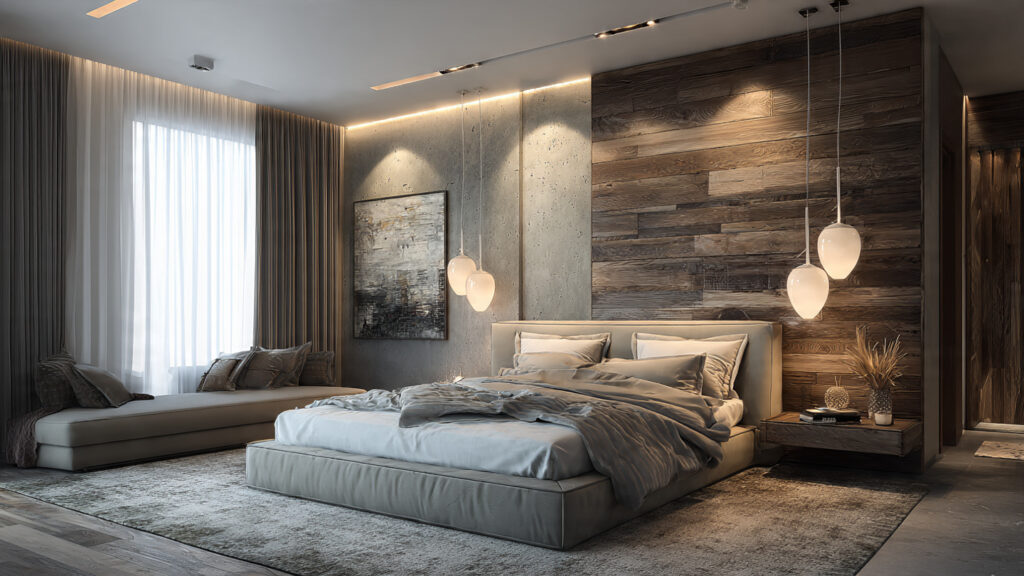
Walls in 2026 master bedrooms are designed to add depth without overwhelming the space. Feature walls behind the bed often incorporate textured panels, subtle wallpapers, wood slats, or fabric finishes. These elements enhance visual interest while reinforcing the bed as the room’s focal point.
Neutral wall colors remain dominant, but texture becomes the primary design statement. This approach allows the room to feel layered and luxurious without relying on bold patterns or heavy ornamentation.
Textiles and Soft Furnishings
Textiles play a crucial role in shaping the comfort and aesthetic of the master bedroom. In 2026, layering is key. High-quality bedding, plush throws, upholstered headboards, and soft area rugs create a cocoon-like environment that feels inviting and refined.
Natural fabrics such as cotton, linen, and wool are preferred for their breathability and tactile appeal. Curtains are often floor-length and lightly textured, allowing natural light to filter in while maintaining privacy.
Décor and Personal Expression
Décor in modern master bedrooms is curated with intention. Rather than excessive accessories, a few meaningful elements are chosen to reflect personal taste. Artwork, sculptural vases, or statement lighting fixtures add character without disrupting the calm aesthetic.
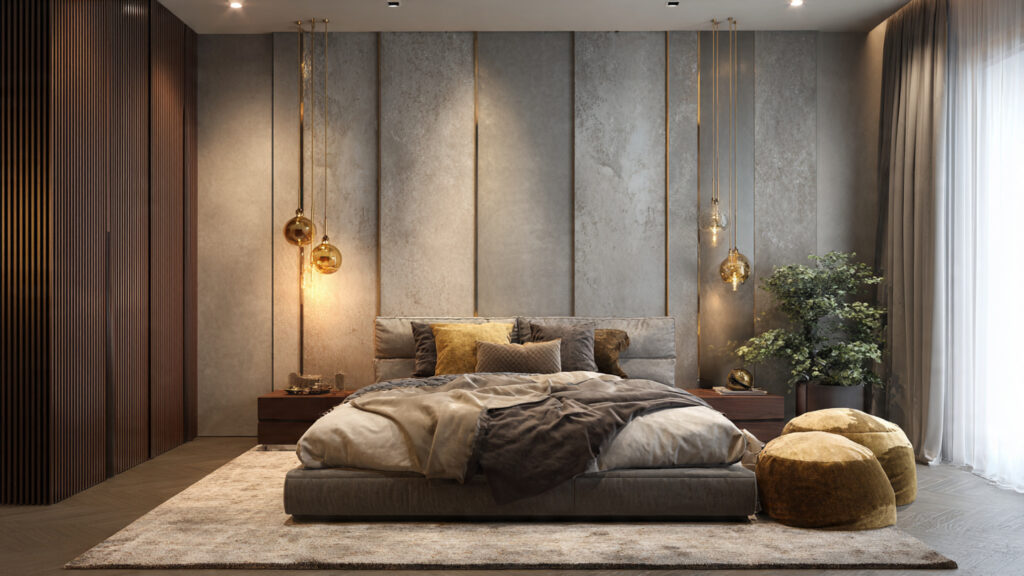
Indoor plants continue to be a popular addition, introducing organic forms and subtle color. Their presence softens modern interiors and enhances the connection to nature, reinforcing the bedroom’s restorative purpose.
Technology Integration in 2026 Bedrooms
Technology in master bedrooms is becoming increasingly discreet. Smart lighting systems, automated curtains, and climate controls are seamlessly integrated to enhance comfort without visual clutter. Devices are often concealed within furniture or architectural elements, preserving the room’s clean appearance.
This thoughtful integration supports convenience while maintaining the bedroom’s primary function as a space for rest and relaxation.
Creating a Timeless Master Bedroom
While trends inform design direction, the most successful master bedrooms in 2026 prioritize timelessness. Neutral foundations, quality materials, and balanced layouts ensure longevity. Personalization is introduced through removable elements such as textiles and décor, allowing the room to evolve over time without requiring a full redesign.
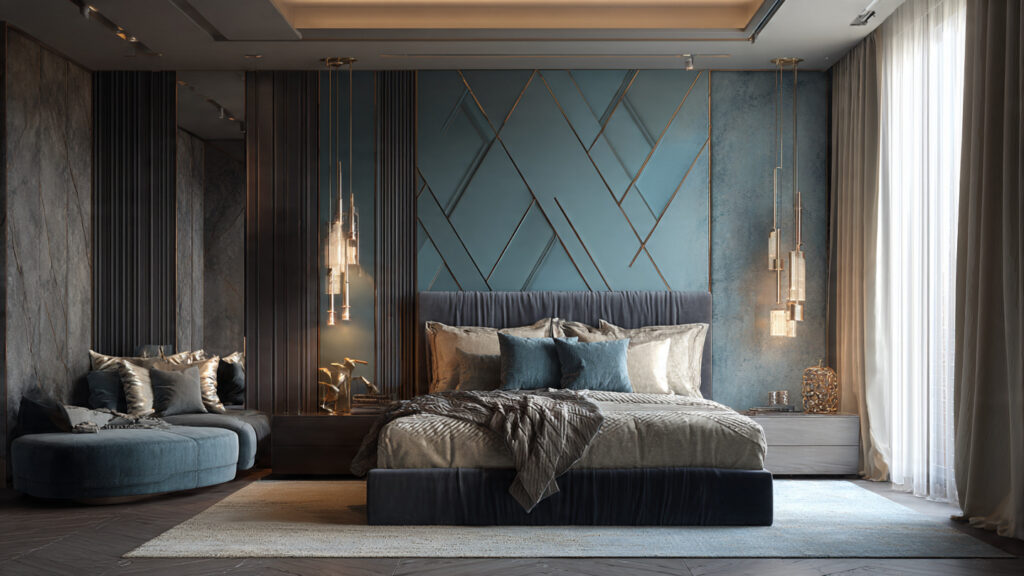
A well-designed master bedroom feels effortless, calm, and deeply personal. It supports daily routines while offering a peaceful retreat from the demands of modern life.
Conclusion
Master bedroom ideas for 2026 reflect a shift toward intentional living, wellness-focused design, and understated luxury. By combining soothing color palettes, thoughtful layouts, refined furniture, and layered lighting, the master bedroom becomes more than just a sleeping space—it becomes a sanctuary. Whether designing a new home or refreshing an existing bedroom, these ideas provide a clear framework for creating a timeless and elegant master bedroom that aligns with modern home décor expectations.
For more home inspiration, visit our homepage and For more tips like this, visit our Home Decor Hub and explore all our home decor guides.