

Managing stress isn’t just about mindset, it’s also deeply connected to what you eat. The cortisol diet focuses on nourishing your body with foods that help regulate stress hormones, stabilize energy levels, and support overall wellness. When cortisol levels stay elevated for too long, it can affect sleep, weight, mood, and even digestion. That’s where smart, simple dietary choices make a real difference.
If you’re looking to improve your overall health, explore our complete Blood Sugar & Hormones guide for more helpful tips.
These practical cortisol diet tips are designed to fit into everyday life without overcomplicating your routine. From balanced meals to hydration and mindful eating habits, each idea helps you feel more grounded, energized, and in control of your health.
1. Start Your Day with a Protein-Rich Breakfast

Starting your morning with a protein-rich breakfast helps stabilize blood sugar levels and prevents cortisol spikes. When you skip breakfast or rely on sugary options, your body responds with stress signals that increase cortisol production. Including eggs, Greek yogurt, or plant-based protein sources ensures steady energy and keeps cravings in check throughout the day.
A balanced breakfast also supports mental clarity and focus. Pair protein with healthy fats like avocado or nuts to extend satiety and reduce mid-morning crashes. This simple habit creates a strong foundation for the rest of your cortisol diet, helping you feel calm, nourished, and ready to handle daily challenges.
2. Add Magnesium-Rich Foods Daily

Magnesium plays a key role in calming the nervous system and lowering cortisol levels. Including foods like leafy greens, nuts, seeds, and dark chocolate can naturally support relaxation and reduce tension. These foods are not only nutrient-dense but also easy to incorporate into meals and snacks.
Adding magnesium-rich foods consistently can improve sleep quality and muscle relaxation. For example, a handful of almonds or a spinach salad can make a noticeable difference over time. This tip is simple yet powerful, helping your body respond better to stress while maintaining hormonal balance.
3. Choose Complex Carbohydrates Over Refined Sugars
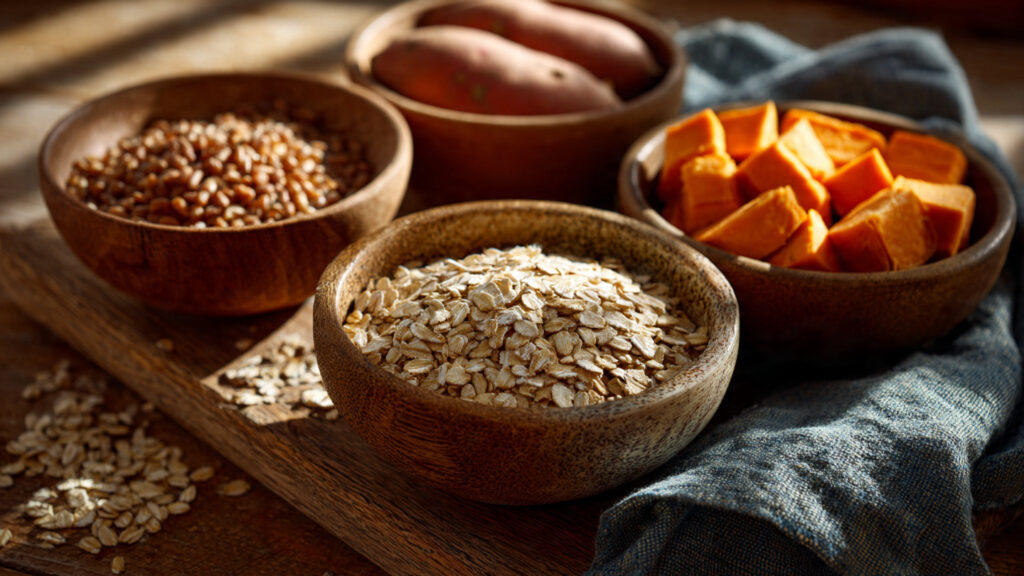
Switching to complex carbohydrates helps regulate blood sugar and prevents sudden cortisol spikes. Foods like oats, quinoa, and sweet potatoes provide slow-releasing energy, keeping you full and stable throughout the day. In contrast, refined sugars cause rapid spikes and crashes, triggering stress responses.
Incorporating whole grains into your meals doesn’t require drastic changes. Swap white bread for whole grain, or choose brown rice instead of white rice. These small adjustments support consistent energy levels and help your body maintain a calmer, more balanced state.
Including more cortisol-reducing foods for daily stress relief can naturally support hormone balance.
4. Stay Hydrated Throughout the Day

Hydration is often overlooked, but it plays a significant role in managing cortisol levels. Even mild dehydration can increase stress hormones, making you feel fatigued and irritable. Drinking enough water throughout the day supports digestion, energy, and overall well-being.
Adding herbal teas like chamomile or green tea can enhance relaxation. Keep a water bottle nearby as a reminder to stay hydrated. This simple habit supports your cortisol diet by helping your body function smoothly and respond better to stress.
5. Include Healthy Fats in Every Meal

Healthy fats are essential for hormone production and balance. Foods like avocados, olive oil, nuts, and fatty fish provide nutrients that support brain health and reduce inflammation. Including these in your meals helps regulate cortisol and keeps you feeling satisfied.
Adding healthy fats doesn’t have to be complicated. Drizzle olive oil on salads, snack on nuts, or include salmon in your meals. These choices not only enhance flavor but also contribute to a more balanced and nourishing diet.
6. Limit Caffeine Intake

While caffeine can boost energy, excessive intake may increase cortisol levels. Drinking too much coffee, especially on an empty stomach, can trigger stress responses and disrupt sleep patterns. Moderation is key when it comes to caffeine consumption.
Consider replacing some coffee servings with herbal teas or decaffeinated options. This helps maintain energy without overstimulating your system. Gradual adjustments can make a noticeable difference in how your body handles stress.
You can also add healthy snacks for stable energy levels to avoid sudden blood sugar crashes.
7. Eat Regular, Balanced Meals

Skipping meals or eating irregularly can cause blood sugar fluctuations, leading to increased cortisol levels. Eating balanced meals at consistent times helps maintain energy and prevents stress-related cravings.
A balanced plate includes protein, healthy fats, and complex carbohydrates. Planning meals ahead can make this easier and reduce the temptation to reach for processed foods. This habit supports both physical and mental stability throughout the day.
8. Add Adaptogenic Foods

Adaptogenic foods and herbs help the body adapt to stress and regulate cortisol levels. Ingredients like ashwagandha, turmeric, and certain mushrooms are known for their calming properties.
Incorporating these into your diet can be as simple as adding turmeric to meals or drinking herbal teas. Over time, these additions support resilience and improve your body’s response to stress.
9. Reduce Processed Food Intake

Processed foods often contain added sugars, unhealthy fats, and artificial ingredients that can increase inflammation and cortisol levels. Reducing these foods helps your body function more efficiently.
Focus on whole, natural foods like fruits, vegetables, and lean proteins. Preparing meals at home allows better control over ingredients and supports a healthier lifestyle.
10. Support Gut Health with Fiber

A healthy gut plays a crucial role in hormone regulation, including cortisol. Fiber-rich foods support digestion and promote beneficial gut bacteria.
Include foods like beans, vegetables, and whole grains in your diet. These not only improve digestion but also contribute to overall well-being and stress management.
A diet rich in high-fiber foods for better digestion helps regulate cortisol levels.
11. Practice Mindful Eating

Mindful eating involves paying attention to your meals, chewing slowly, and enjoying each bite. This practice helps reduce stress and supports better digestion.
Creating a calm eating environment and avoiding distractions can enhance this habit. Over time, mindful eating helps regulate cortisol and improves your relationship with food.
Quick Tips for a Cortisol Diet
- Prioritize whole, unprocessed foods
- Maintain consistent meal times
- Stay hydrated daily
- Balance macronutrients in each meal
- Limit sugar and caffeine intake
FAQ
What is a cortisol diet?
A cortisol diet focuses on foods that help regulate stress hormones and support overall health.
Can diet really reduce cortisol?
Yes, balanced nutrition helps stabilize blood sugar and reduce stress responses.
What foods increase cortisol?
Processed foods, excessive sugar, and high caffeine intake can raise cortisol levels.
How quickly can diet changes affect stress?
Some improvements can be noticed within days, while long-term benefits develop over time.
Is the cortisol diet suitable for everyone?
It generally supports overall wellness, but individual needs may vary.
Related Post
- best cortisol-reducing foods
- healthy snacks for energy and weight loss
- high-fiber foods for hormone balance
Final Thoughts
Taking control of your stress levels doesn’t always require major lifestyle changes—sometimes it starts with what’s on your plate. The cortisol diet is built around simple, intentional choices that support your body’s natural balance. By focusing on whole foods, steady meals, proper hydration, and mindful habits, you create an environment where your body can function more calmly and efficiently. These small shifts, when practiced consistently, can lead to noticeable improvements in energy, mood, and overall well-being.
What makes this approach sustainable is its flexibility. You’re not following strict rules or eliminating entire food groups; instead, you’re learning how to nourish your body in a way that reduces stress rather than adds to it. Over time, these habits become second nature, helping you feel more in control of your health without feeling restricted or overwhelmed.
A balanced lifestyle is not about perfection, it’s about making better choices more often. With these cortisol diet tips, you have a practical and realistic path toward supporting your hormones, reducing daily stress, and building a healthier routine that truly works for you.
For more tips like this, visit our Wellness Hub and explore all our wellness guides.
You can also check out our complete Blood Sugar & Hormones guide for more related ideas.

1 thought on “11 Cortisol Diet Tips to Reduce Stress and Balance Hormones”