

Modern living room design blends clean aesthetics with practical comfort, creating a space that feels refined yet welcoming. This comprehensive guide explores how thoughtful layouts, balanced color palettes, contemporary furniture, layered lighting, and curated décor elements come together to define a truly modern living room. Whether designing a compact apartment lounge or a spacious family living area, this article provides clear direction and inspiration to help you create a living room that reflects modern elegance while supporting everyday living.
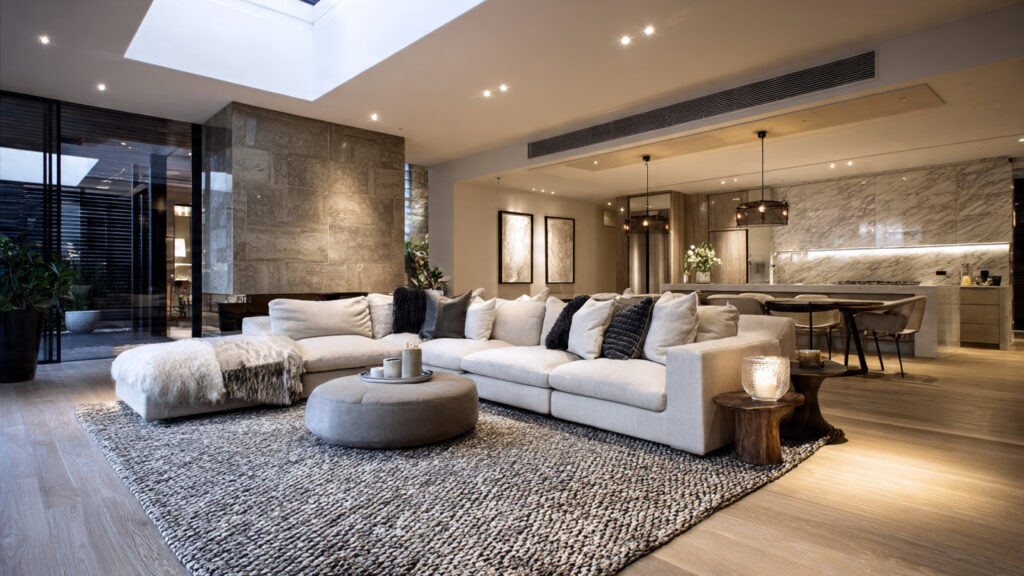
The living room has evolved from a purely social area into the visual and functional heart of the modern home. In contemporary interiors, it must support relaxation, entertainment, work-from-home flexibility, and aesthetic expression—all without appearing cluttered or overstated. Modern living room design addresses these needs by focusing on clarity, balance, and purposeful design decisions.
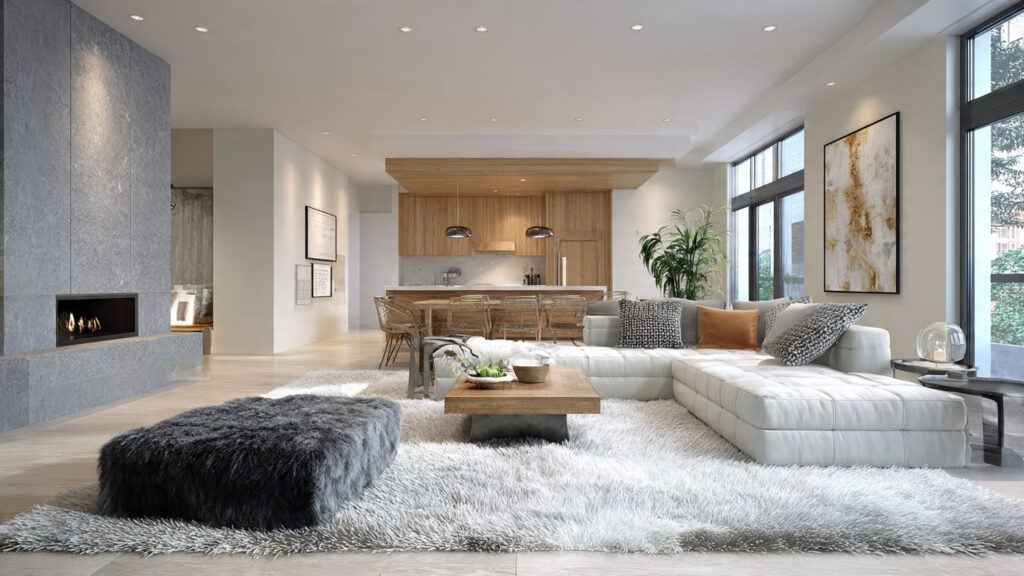
At its core, a modern living room is defined by simplicity that feels intentional rather than sparse. Every element, from furniture proportions to lighting placement, contributes to a cohesive environment. The emphasis is not on excess decoration but on carefully selected features that add value, comfort, and visual harmony.
Understanding the Modern Design Philosophy
Modern design is rooted in the principle of “less, but better.” This philosophy prioritizes form and function equally. Instead of filling the living room with decorative accessories, modern design encourages open space, clean lines, and high-quality materials. The result is an interior that feels calm, organized, and effortlessly stylish.
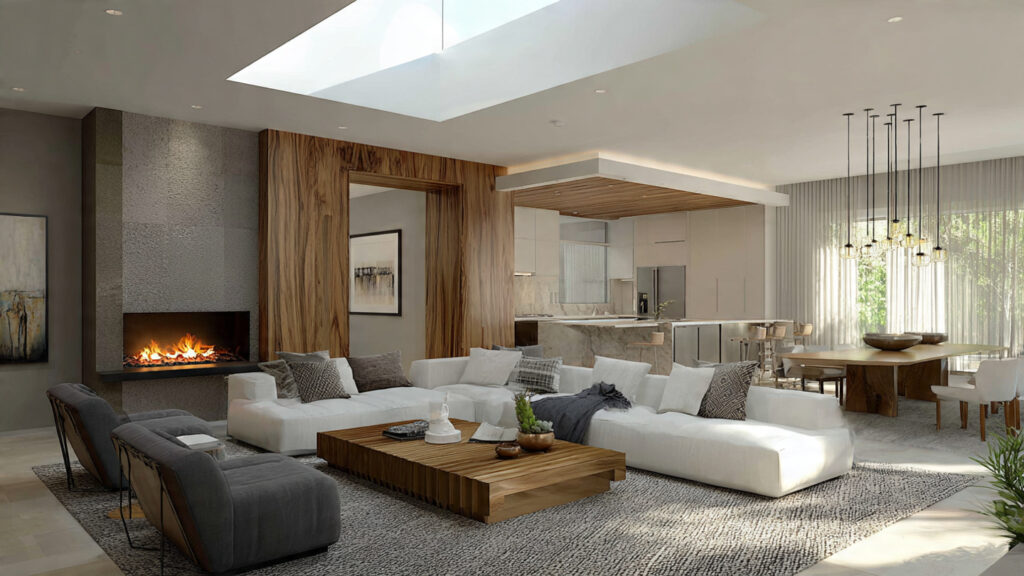
Open layouts are common in modern homes, allowing the living room to flow seamlessly into dining or kitchen areas. This spatial openness enhances natural light and creates a sense of continuity throughout the home. Even in smaller living rooms, modern design uses clever furniture placement and visual balance to maintain an open feel.
Layout and Spatial Planning
A successful modern living room begins with a well-considered layout. Furniture placement should promote movement, conversation, and functionality. Rather than pushing everything against walls, modern layouts often float furniture in the center of the room to define zones and create intimacy.
The seating arrangement typically centers around a focal point such as a feature wall, large window, or minimalist entertainment unit. Traffic flow should remain unobstructed, ensuring the room feels breathable and easy to navigate. Proportion is essential; oversized furniture can overwhelm a space, while undersized pieces may feel disconnected.
Color Palette and Visual Balance
Modern living rooms often rely on neutral color palettes that provide a timeless foundation. Shades of white, beige, gray, taupe, and soft earth tones dominate contemporary interiors. These hues reflect light, enhance spaciousness, and create a calm backdrop for daily life.
To prevent the space from feeling flat, modern design introduces contrast through texture and accent colors. A charcoal sofa, muted olive cushions, or a warm wood coffee table can add depth without overpowering the room. The key is restraint—accent colors should complement the base palette rather than compete with it.
Furniture Selection and Styling
Furniture in a modern living room is defined by clean silhouettes and thoughtful craftsmanship. Sofas typically feature low profiles, straight or gently curved lines, and neutral upholstery. Sectional sofas are popular for their comfort and adaptability, particularly in open-plan homes.
Coffee tables, side tables, and media units often combine materials such as wood, metal, glass, or stone. These combinations introduce visual interest while maintaining a streamlined appearance. Storage furniture is discreet and integrated, helping to keep the living room uncluttered.
Comfort remains a priority. Modern design does not sacrifice usability for aesthetics; instead, it refines comfort through ergonomic shapes and high-quality materials.
Lighting as a Design Element
Lighting plays a critical role in modern living room design. Rather than relying on a single overhead fixture, modern interiors use layered lighting to create mood and functionality. Ambient lighting provides overall illumination, while task lighting supports activities such as reading or working.
Accent lighting highlights architectural features, artwork, or textured walls, adding depth and visual drama. Recessed ceiling lights, slim floor lamps, and sculptural pendant fixtures are commonly used in modern spaces. Warm lighting tones are preferred to maintain a welcoming atmosphere, even in minimalist interiors.
Materials and Textures
Texture is essential in modern living rooms, especially when working with neutral color schemes. Smooth surfaces such as polished stone or glass are balanced with softer elements like fabric upholstery, area rugs, and curtains.
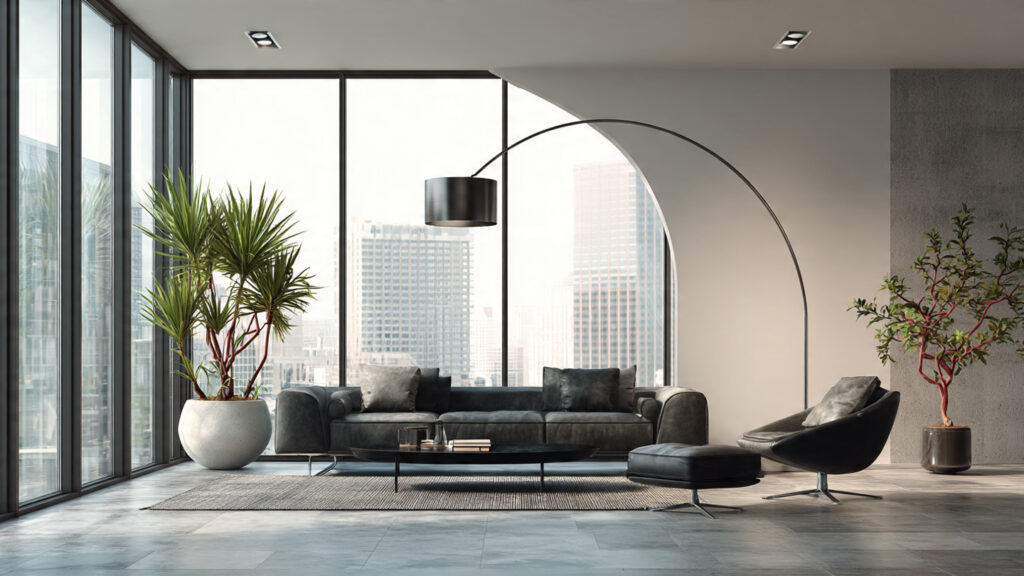
Natural materials play a significant role in contemporary interiors. Wood finishes bring warmth, while stone or concrete elements introduce a subtle industrial edge. The interplay between soft and hard textures ensures the living room feels inviting rather than sterile.
Wall Treatments and Feature Elements
Walls in modern living rooms are often kept simple, but this does not mean they lack character. A feature wall can be created using textured panels, subtle wallpaper, wood slats, or stone cladding. These treatments add interest without overwhelming the space.
Artwork is used selectively. Large-scale pieces or carefully arranged gallery walls complement modern interiors when framed simply and spaced thoughtfully. The goal is visual impact without clutter.
Décor and Accessories
Modern décor focuses on quality over quantity. Accessories are chosen for their form, texture, or cultural value rather than decorative excess. Sculptural vases, curated books, and understated planters enhance the living room while maintaining a clean aesthetic.
Indoor plants are particularly effective in modern living rooms. They soften architectural lines, introduce natural color, and improve the overall ambiance. The selection of planters should align with the room’s design language, favoring simple shapes and neutral finishes.
Technology Integration
Technology is seamlessly integrated into modern living rooms. Televisions are mounted flush to walls or incorporated into minimalist media units. Smart lighting, automated blinds, and discreet sound systems enhance convenience without disrupting visual harmony.
Cable management and concealed storage ensure technology supports the lifestyle without becoming a visual distraction.
Personalization Within Modern Design
While modern living rooms follow certain design principles, personalization remains essential. The most successful modern interiors reflect the lifestyle and preferences of their occupants. This may include a favorite artwork, a statement chair, or a unique lighting fixture that adds character to the space.
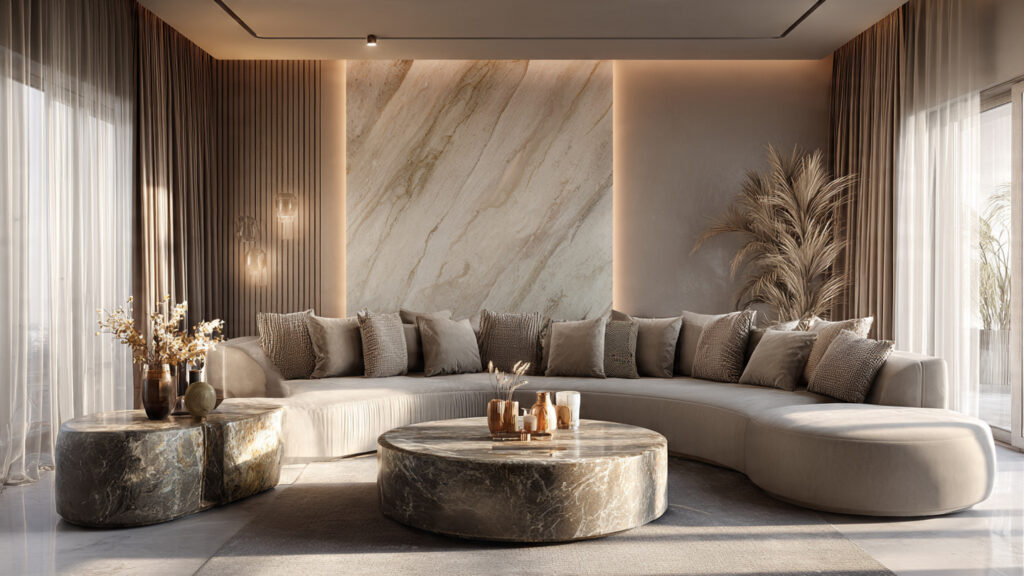
Modern design provides a flexible framework rather than rigid rules. Within this framework, homeowners can express individuality while maintaining a cohesive and timeless interior.
Conclusion
Modern living room design is about intentional choices, thoughtful composition, and enduring style. By balancing simplicity with comfort, neutrality with texture, and functionality with elegance, a modern living room becomes a space that supports daily living while remaining visually refined. Whether you are designing from scratch or updating an existing space, embracing modern design principles ensures a living room that feels current, welcoming, and effortlessly sophisticated.