
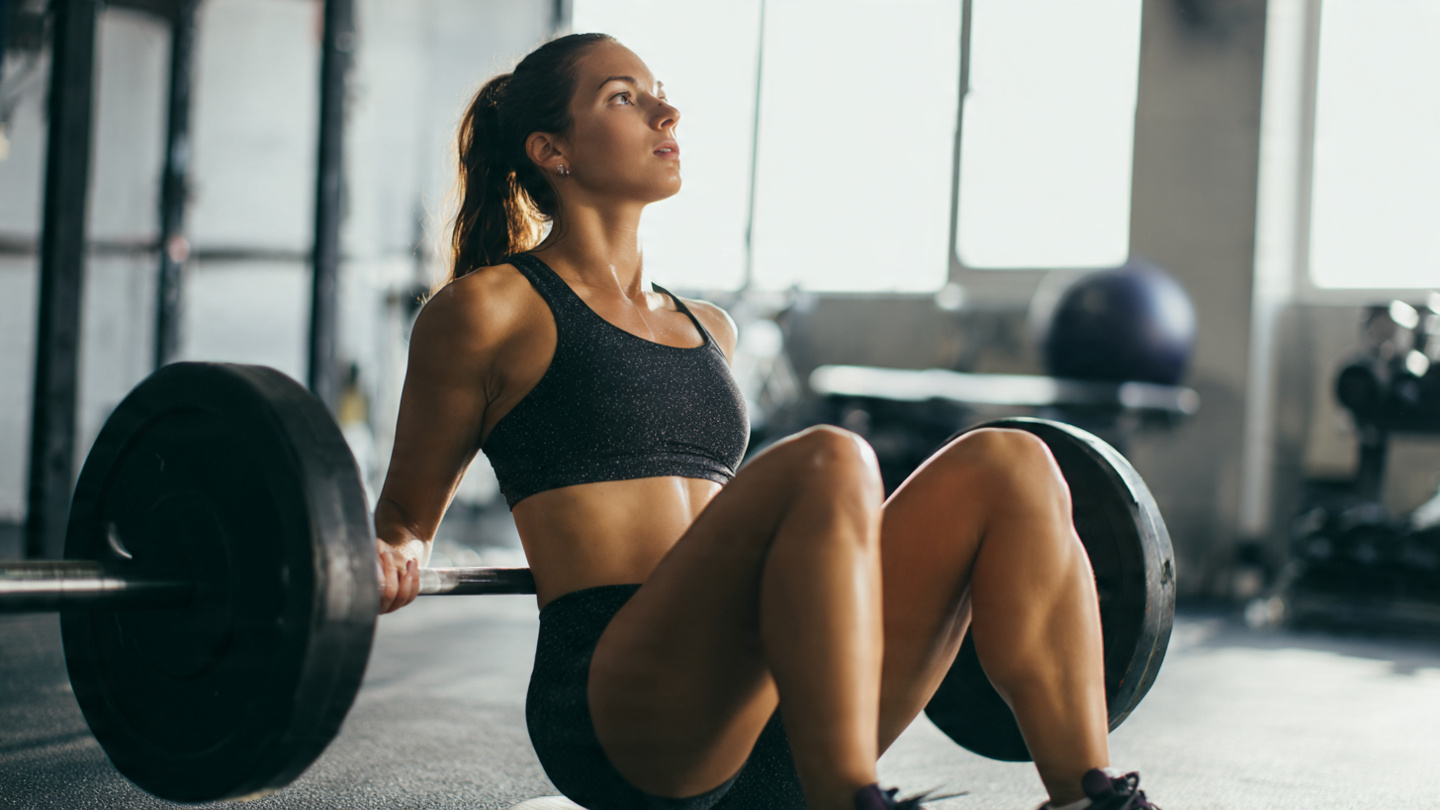
Strong curves don’t happen by accident. They’re built with intention, consistency, and the right exercises. If you’ve been adding random lower-body moves to your routine without seeing real progress, it might be time to focus on workouts that truly activate and strengthen your glutes. The good news? You don’t need complicated equipment or endless gym hours.
This guide breaks down 11 glute workout women love for strong curves, with clear movement tips and image prompts for better form visualization. Whether you train at home or in the gym, these exercises help you build strength, shape, and confidence step by step.
1. Barbell Hip Thrusts
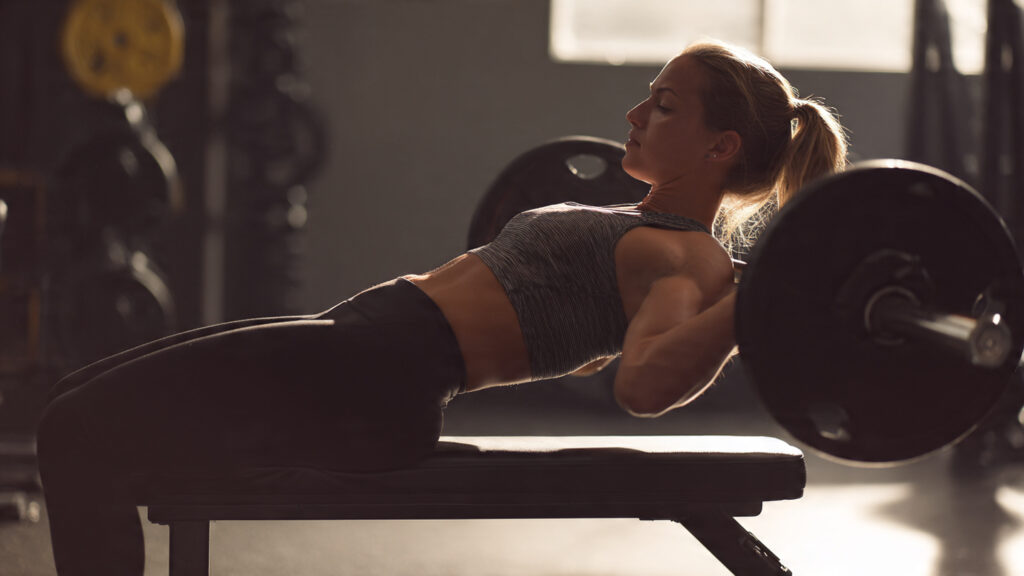
Barbell hip thrusts are often considered the foundation of any serious glute workout women love for strong curves. This exercise directly targets the gluteus maximus, helping you build both strength and shape. Unlike squats, hip thrusts keep constant tension on the glutes, especially at the top of the movement where you fully extend your hips.
Start with moderate weight and focus on controlled reps. Pause for one to two seconds at the top while squeezing your glutes tightly. Keep your core engaged and avoid arching your lower back. Performing three to four sets of eight to twelve reps can deliver noticeable strength gains over time.
2. Romanian Deadlifts
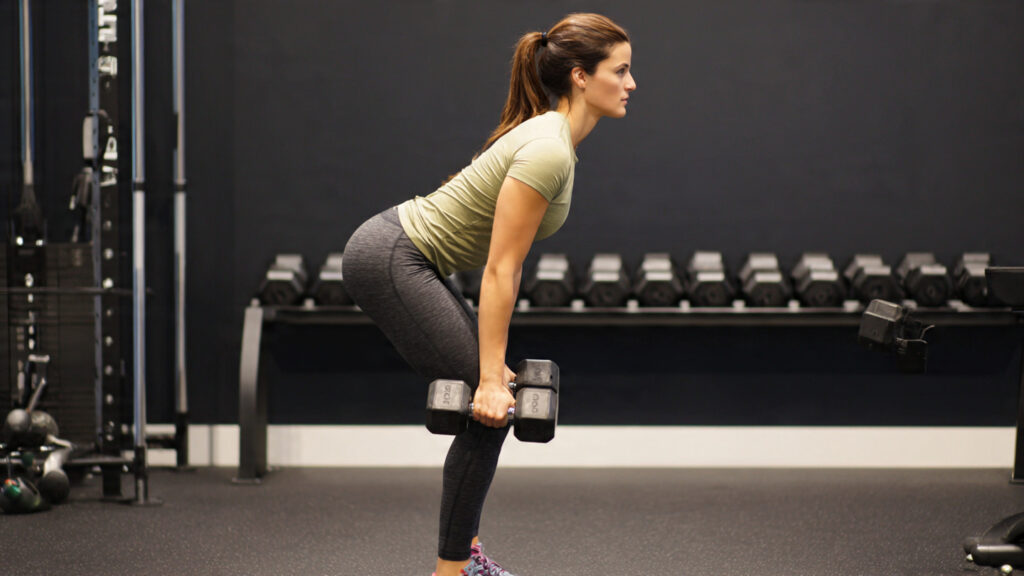
Romanian deadlifts are excellent for sculpting the lower body while strengthening the hamstrings and glutes. The key to this move is the hip hinge. Instead of bending deeply at the knees, you push your hips backward while keeping your back flat and chest lifted.
Lower the weights slowly until you feel a stretch in your hamstrings, then drive your hips forward to return to standing. This controlled motion ensures your glutes do the work. Add this to your weekly glute workout routine to improve both muscle definition and posterior chain strength.
3. Bulgarian Split Squats
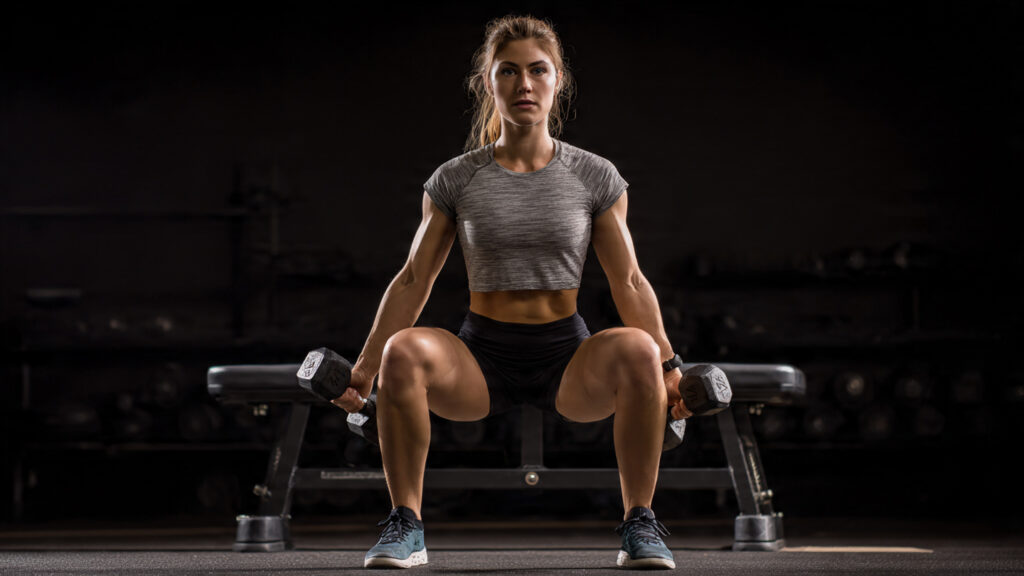
Bulgarian split squats challenge balance while isolating each leg individually. This helps correct muscle imbalances and creates more defined curves. Elevating the back foot increases glute activation in the front leg.
Keep your torso slightly leaned forward to emphasize the glutes. Lower slowly and push through your front heel to rise. Aim for three sets of eight to ten reps per leg. This movement may feel intense, but it delivers powerful lower-body results.
4. Cable Kickbacks
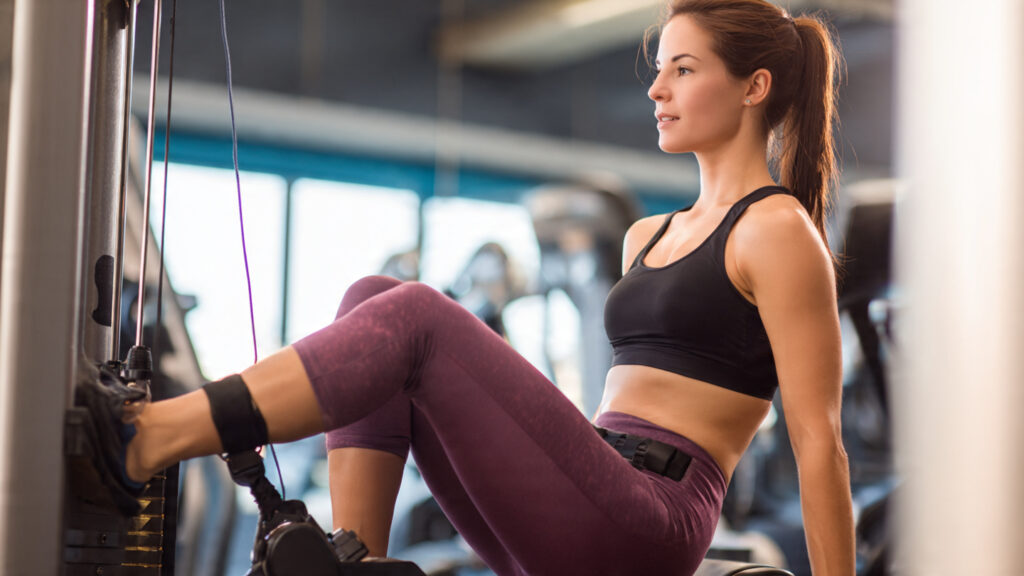
Cable kickbacks isolate the glutes with precision. The controlled backward extension keeps tension exactly where you want it. Unlike compound lifts, this move focuses on direct muscle contraction.
Stand tall and avoid swinging your leg. Move slowly and squeeze at full extension. This exercise works best as a finishing movement after heavier lifts. Higher reps, around twelve to fifteen per leg, enhance muscle engagement and endurance.
5. Step-Ups
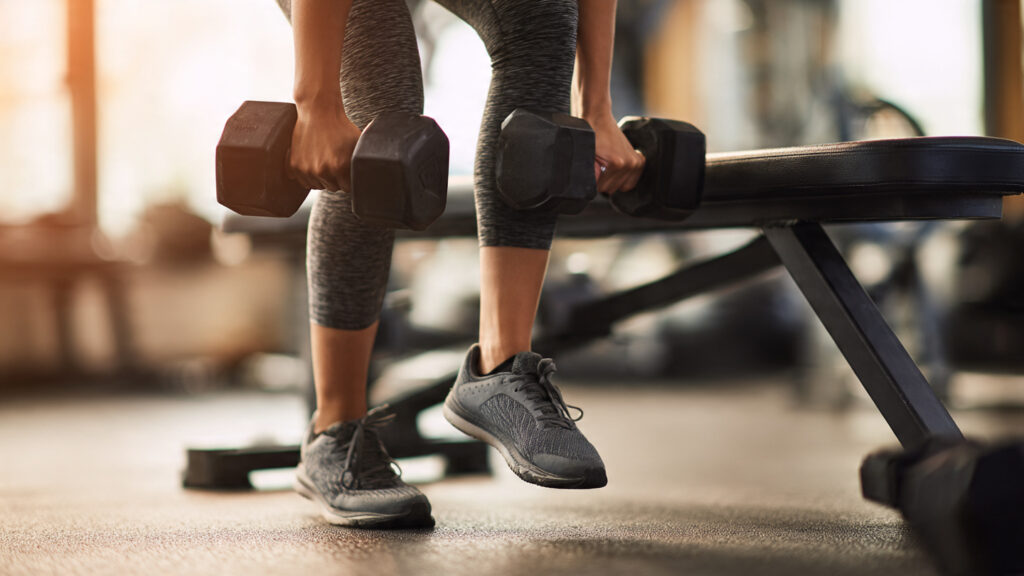
Step-ups are simple yet effective. They mimic everyday movement patterns while strengthening the glutes. The key is pushing through your heel instead of your toes when stepping up.
Choose a bench height that forms a 90-degree angle at your knee. Move with control and avoid using momentum. Step-ups improve balance, coordination, and muscle symmetry. Add them to your glute workout plan for steady progress.
6. Glute Bridges
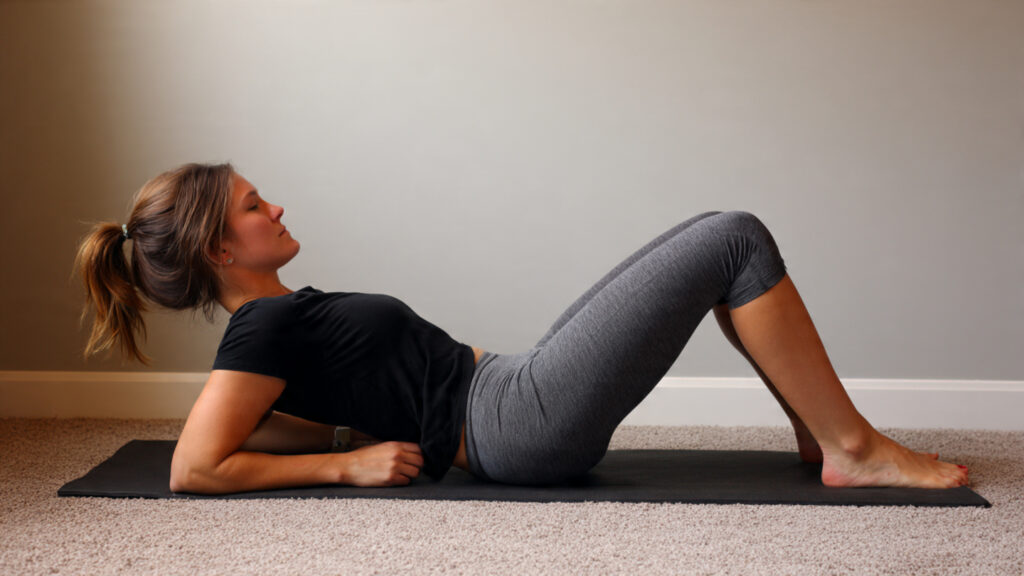
Glute bridges are beginner-friendly and effective for activation. They teach proper hip extension mechanics without heavy equipment. This makes them ideal for home workouts.
Press through your heels and lift your hips until your body forms a straight line from shoulders to knees. Squeeze at the top and lower slowly. Perform fifteen controlled reps per set to improve muscle awareness and strength.
7. Sumo Squats
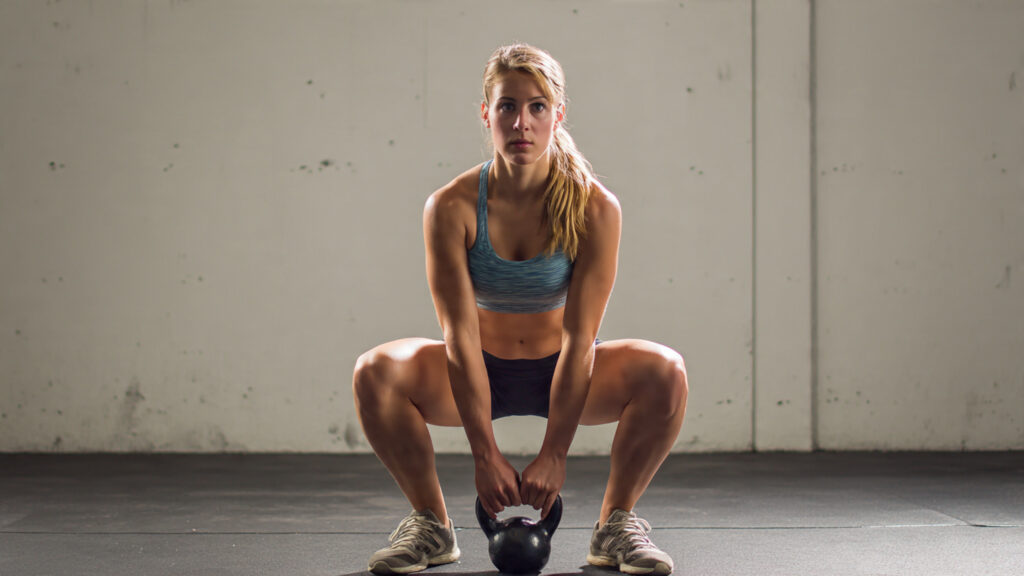
Sumo squats target both glutes and inner thighs. The wider stance increases lower-body activation. Holding a kettlebell adds resistance without overcomplicating the movement.
Lower your hips until thighs are parallel to the floor. Keep knees aligned with toes. Drive upward through your heels. This variation builds strength and enhances overall lower-body tone.
8. Walking Lunges
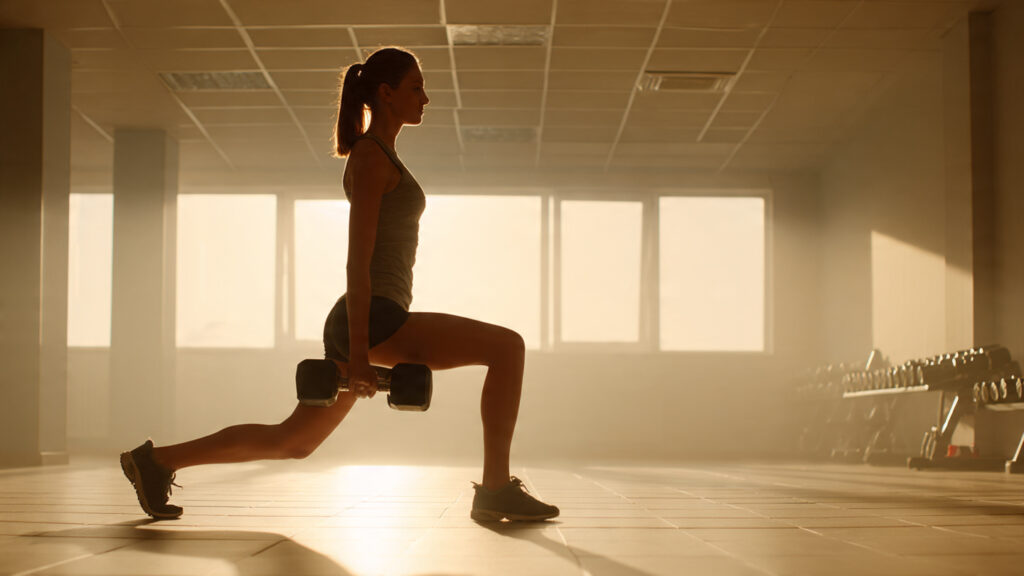
Walking lunges improve endurance and glute engagement. Each step challenges stability while activating multiple muscles.
Step forward, lower both knees to 90 degrees, then push off the front heel. Continue alternating legs. This dynamic exercise enhances coordination and lower-body definition.
9. Donkey Kicks
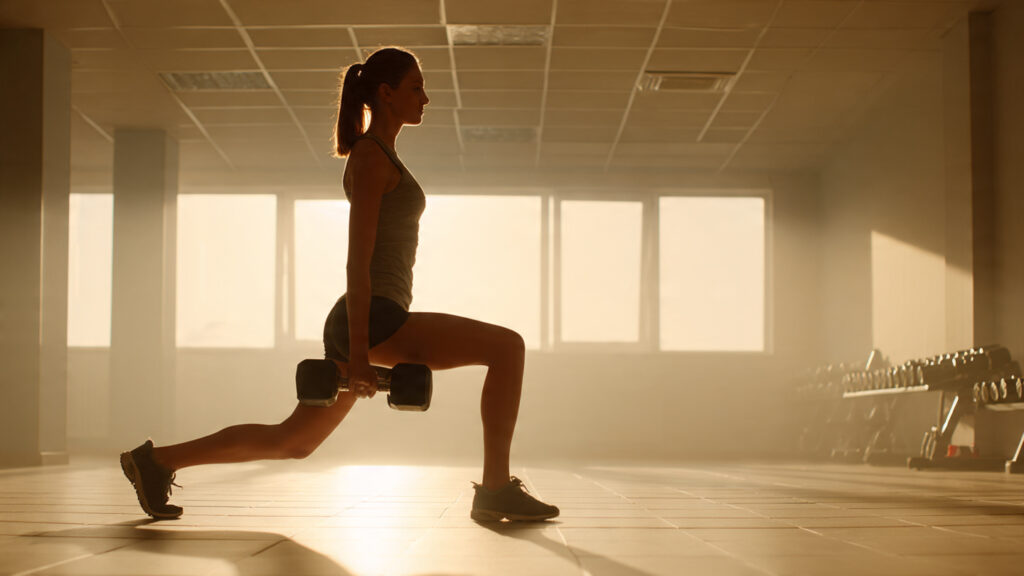
Donkey kicks isolate the glutes using bodyweight resistance. They are perfect for warm-ups or burnout sets.
Keep hips square and avoid arching your back. Lift your leg upward with control and squeeze at the top. Higher reps increase muscle endurance and tone.
10. Curtsy Lunges
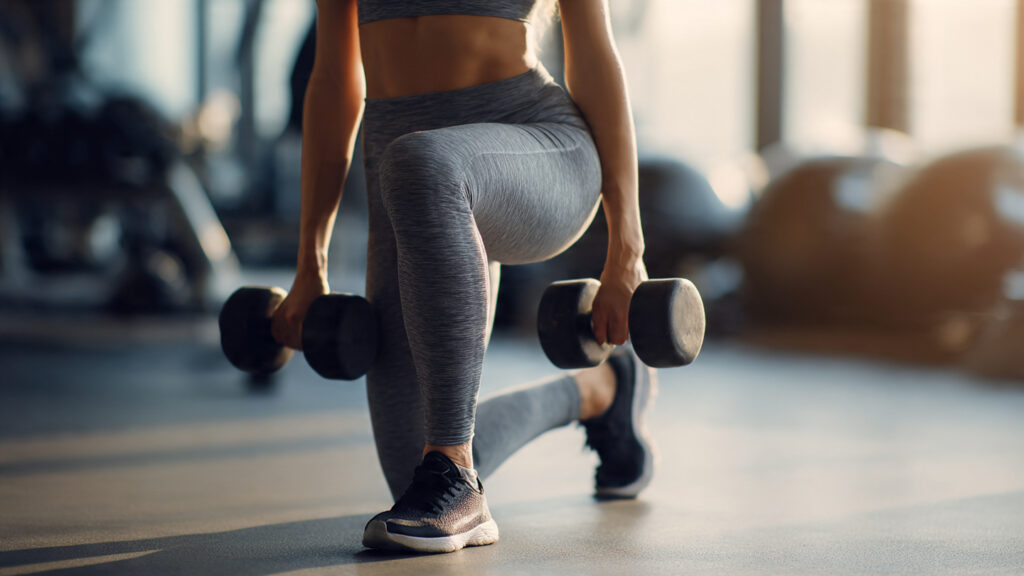
Curtsy lunges target the outer glutes. The crossing motion activates muscles that standard lunges may miss.
Step one leg diagonally behind you and lower into a lunge. Keep your chest lifted and push through your front heel to stand. This adds shape and balance to your lower body routine.
11. Resistance Band Lateral Walks
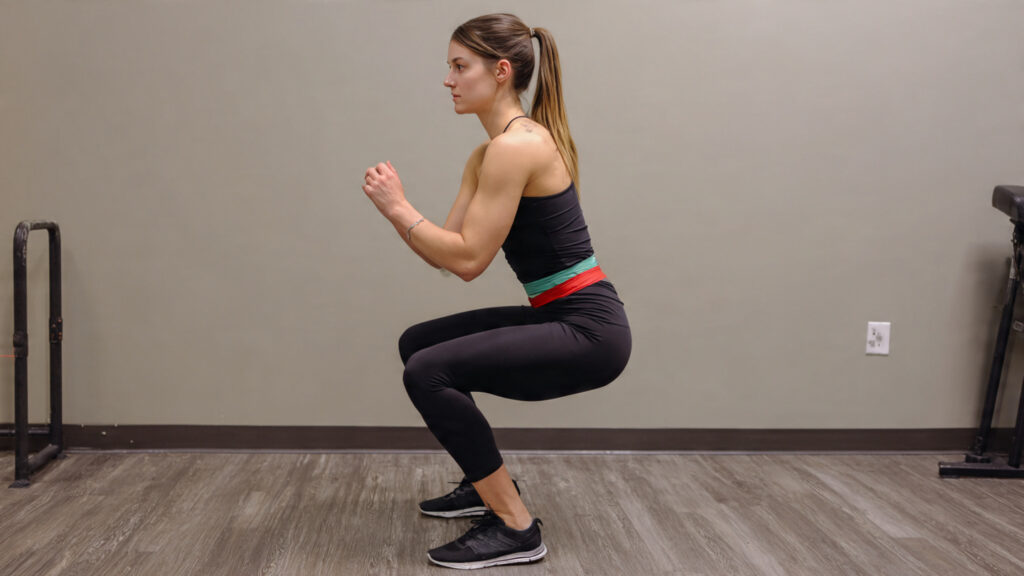
Resistance band lateral walks strengthen the glute medius. This muscle supports hip stability and enhances overall shape.
Stay in a partial squat and step sideways with tension in the band. Keep movements controlled. Add this to warm-ups or finishing circuits for better glute activation.
Quick Tips for Better Results
- Train glutes two to three times weekly
- Focus on progressive overload
- Prioritize protein intake
- Maintain proper form over heavy weight
FAQ
1. How often should I train glutes?
Two to three sessions weekly allow muscle recovery and growth.
2. Can I build curves at home?
Yes, bodyweight and resistance band exercises are effective.
3. How long until results show?
With consistency, visible changes often appear within six to eight weeks.
4. Do I need heavy weights?
Progressive resistance helps, but proper form matters most.
5. Should I combine cardio?
Balanced cardio supports fat loss while strength training builds curves.
Conclusion
Strong curves come from consistent training and smart exercise choices. These 11 glute workout women love for strong curves focus on strength, activation, and balanced development. Start with foundational movements, progress gradually, and stay consistent. Results follow effort.